






Aquarium Salinity Meters: Custom Solutions from Top Manufacturer & Supplier
Maintaining a healthy aquatic environment is essential, and the Aquarium Salinity Meter delivers both accuracy and reliability. With its CE Certification, this meter guarantees compliance with international safety and performance standards, ensuring your marine life thrives. Partnered with Qingdao LuminSens Marine Technology Co., Ltd., a leader in quality and innovation, we provide not just a product, but a solution customized to your needs. Each unit is manufactured in state-of-the-art facilities that prioritize precision and detail. For those prioritizing accurate salinity measurements, this meter stands out as the ideal choice. Enhance your aquatic experience with a dependable tool designed for optimal marine health.

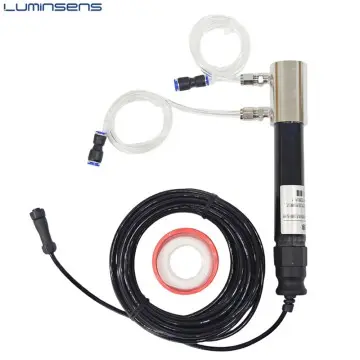
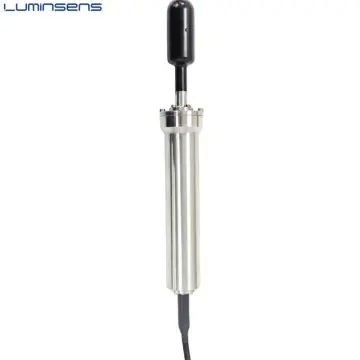
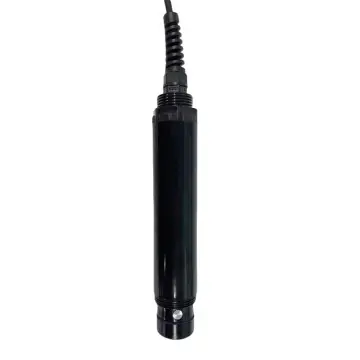
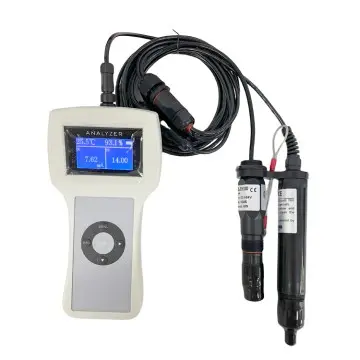
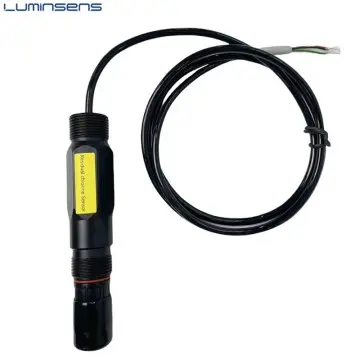
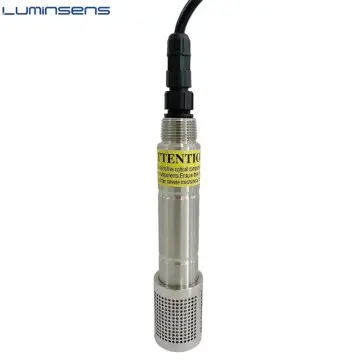
10 Essential Tips For Aquarium Salinity Meter Factory Application
When it comes to maintaining optimal conditions in aquaculture, one of the most crucial factors to monitor is salinity. An aquarium salinity meter is an indispensable tool in ensuring that aquatic environments remain balanced and healthy. Here are ten essential tips for the effective application of salinity meters in factory settings. First, choose a meter that aligns with your specific needs. Some models are designed for marine applications, while others may focus on freshwater ecosystems. Regular calibration is key to accuracy, so ensure that your meter is calibrated frequently using standard solutions. Furthermore, familiarize yourself with the manufacturer's guidelines regarding maintenance and cleaning to enhance the longevity of your equipment. Additionally, understanding the relationship between salinity and other factors such as dissolved oxygen and turbidity is critical. Our breakthrough innovations in sensors addressing these aspects can lead to a more comprehensive analysis of your water quality. By integrating salinity data with other key parameters, you can develop a holistic approach to managing your aquatic environment, ultimately driving better growth outcomes and operational efficiency in aquaculture and beyond. Embrace the future of environmental monitoring by incorporating our cost-effective solutions tailored to meet the critical challenges faced in your industry.
10 Essential Tips For Aquarium Salinity Meter Factory Application
| Tip Number | Tip Description | Importance Level | Recommended Frequency |
|---|---|---|---|
| 1 | Calibrate the salinity meter regularly. | High | Monthly |
| 2 | Use distilled water for calibration solutions. | Medium | Every Calibration |
| 3 | Clean the probe after each use. | High | After Every Use |
| 4 | Store the meter in a protective case. | Medium | Always |
| 5 | Monitor temperature adjustments during readings. | High | Continuous |
| 6 | Utilize proper measurement techniques (submersion depth). | High | Always |
| 7 | Change batteries annually or when performance dips. | Medium | Annually |
| 8 | Take multiple readings and calculate the average. | High | Every Reading |
| 9 | Follow manufacturer instructions closely. | High | Always |
| 10 | Document all readings for future reference. | Medium | Each Measurement |
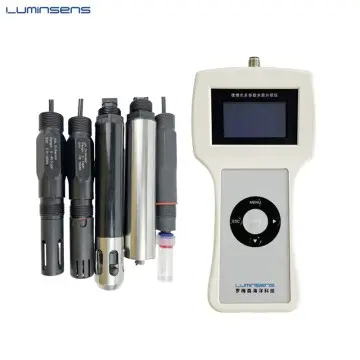
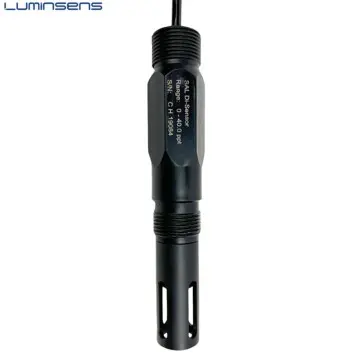
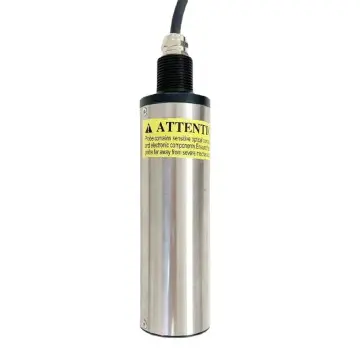
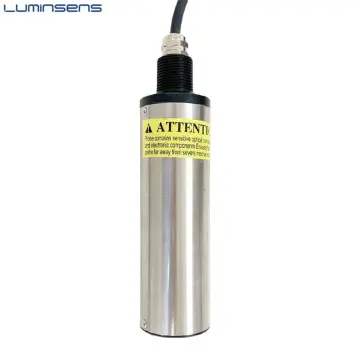
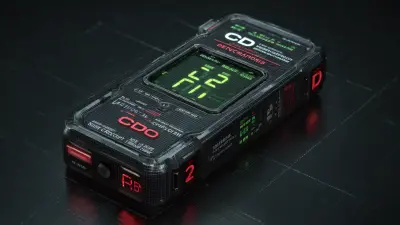
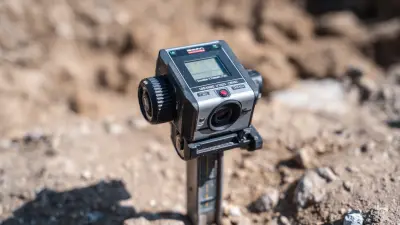
The Ultimate Guide to Aquarium Salinity Meter Products Market Leader
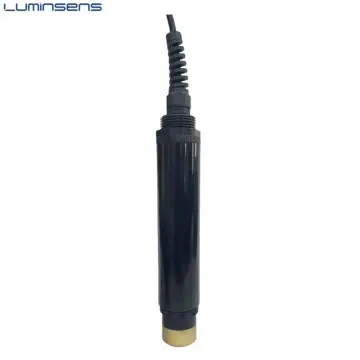
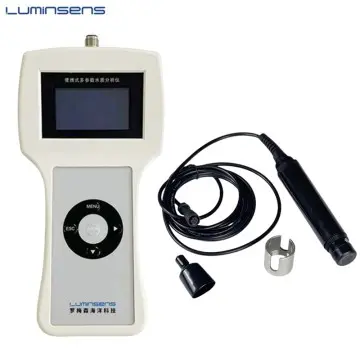

L
Lucas Martinez
I highly recommend this product. The quality is unmatched, and the support was incredibly helpful.
18 May 2025
D
Daniel Price
Quality and professionalism at its best! Highly recommend this to others.
25 June 2025
S
Samantha Brooks
The quality is evident, and the support team was highly professional. Well done!
11 May 2025
B
Brody Jenkins
Fantastic quality! I’ll definitely recommend this product to others.
24 May 2025
K
Kate Rivera
The support staff was not just professional but genuinely cared about my experience.
01 June 2025
K
Kaden Evans
Fantastic quality products! Customer service was quick and very professional.
18 May 2025