Top 10 Benefits of Using a Trace Oxygen Analyzer in Industry?
In the competitive landscape of modern industry, maintaining product quality and ensuring safety is paramount. A Trace Oxygen Analyzer plays a crucial role in achieving these goals. This sophisticated device accurately measures trace amounts of oxygen in various environments. By doing so, industries can prevent oxidation and ensure the integrity of sensitive materials.
The benefits of using a Trace Oxygen Analyzer extend beyond mere compliance. It enhances operational efficiency and reduces waste, saving resources. For instance, in the manufacturing of electronics, even a small amount of oxygen can lead to significant defects. Employing this technology allows companies to monitor and control oxygen levels effectively, thus safeguarding their products.
Yet, the implementation of such technologies is not without challenges. Companies must ensure that their staff is adequately trained to interpret the data accurately. Additionally, the initial investment in high-quality analyzers can be substantial. However, the long-term advantages often outweigh these initial hurdles, making Trace Oxygen Analyzers an invaluable asset in numerous industries.
Key Role of Trace Oxygen Analyzers in Industrial Processes
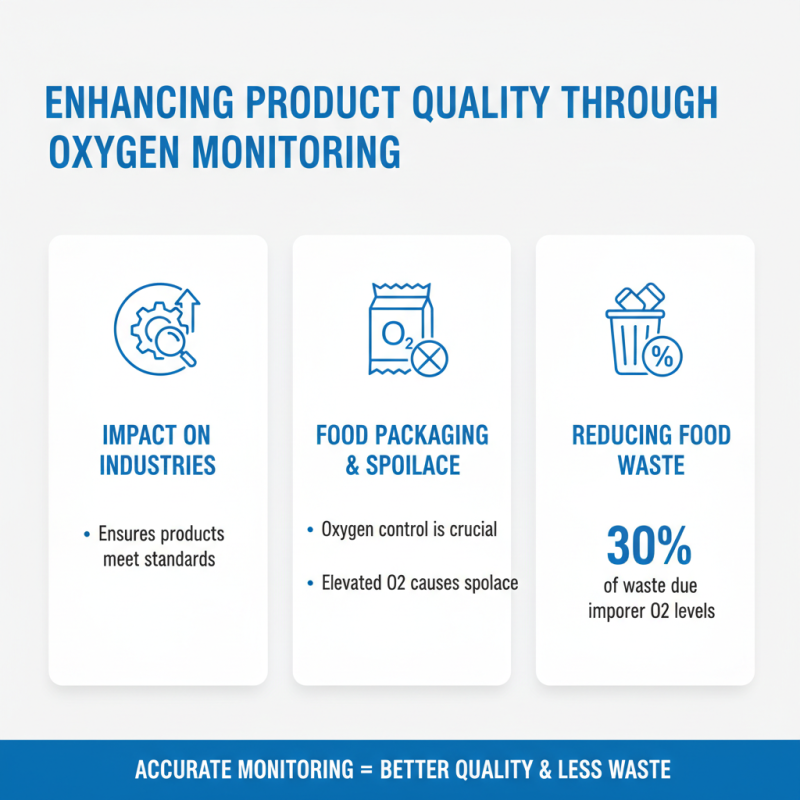
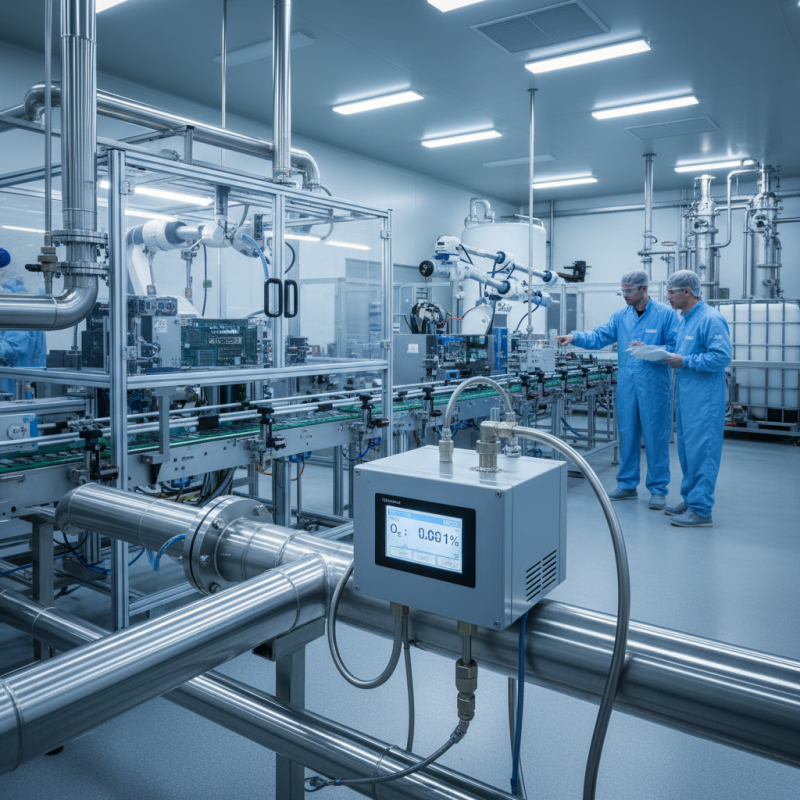
In industrial processes, trace oxygen analyzers play a vital role in maintaining optimal conditions. They monitor oxygen levels, ensuring that processes like welding or packaging remain efficient. Even small amounts of oxygen can alter product quality. For example, in food packaging, excess oxygen can lead to spoilage.
Understanding the specific requirements of your process is essential. Accurate measurements can prevent costly errors. It is crucial to calibrate analyzers regularly. Frequent checks enhance reliability and accuracy. Use a dedicated area for testing. This minimizes contamination risks and maintains precision.
Tips: Install backup analyzers for redundancy. If one fails, the other can provide necessary data. Regularly train staff on equipment use, ensuring they understand its importance. Encourage a culture of safety and precision. Problems can arise if equipment is neglected. Ultimately, maintaining your trace oxygen analyzers is vital for efficiency and product integrity.
Improving Safety Standards with Precise Oxygen Measurement
In various industries, safety is paramount. A trace oxygen analyzer plays a crucial role in ensuring safe environments. It measures oxygen levels accurately, helping to prevent accidents linked to insufficient or excessive oxygen. This device is essential in areas such as chemical processing, food production, and pharmaceuticals. The right measurements can avert catastrophic explosions or chemical reactions.
However, relying solely on technology has its flaws. Regular maintenance and calibration are vital for accuracy. Even the best analyzers can yield faulty readings over time. Workers need proper training to interpret data effectively. Misunderstanding results can lead to danger. Therefore, consistent monitoring and adherence to protocols are necessary.
The implications of precise oxygen measurement extend beyond immediate safety. It fosters a culture of responsibility and vigilance. When employees feel secure, productivity often improves as well. Yet, it is essential to recognize that technology is only one part of the equation. Human oversight remains indispensable to navigate complex industrial environments safely. Balancing technology and human judgment should always be a priority.
Top 10 Benefits of Using a Trace Oxygen Analyzer in Industry
| Benefit |
Description |
Industry Application |
Impact on Safety |
| Improved Safety |
Ensures low oxygen levels to prevent fires or explosions. |
Oil & Gas |
High |
| Precision Measurement |
Provides accurate readings for critical processes. |
Pharmaceuticals |
Medium |
| Regulatory Compliance |
Helps meet industry regulations regarding oxygen levels. |
Food & Beverage |
High |
| Enhanced Product Quality |
Prevents oxidation in products, extending shelf life. |
Packaging |
Medium |
| Process Optimization |
Facilitates better control over manufacturing processes. |
Chemical Processing |
Medium |
| Cost Efficiency |
Reduces waste and improves energy efficiency. |
Manufacturing |
Low |
| Real-time Monitoring |
Allows continuous monitoring of oxygen levels. |
Semiconductors |
High |
| User-friendly Interface |
Simplifies data interpretation for operators. |
Utilities |
Medium |
| Long-term Reliability |
Designed for durability and consistent performance. |
Aerospace |
High |
| Versatility |
Applicable in various sectors with diverse requirements. |
Research & Development |
Medium |
Cost Efficiency Achieved by Reducing Waste and Downtime
Using a trace oxygen analyzer in industry can lead to significant cost efficiencies. One of the primary benefits is reducing waste in production processes. Even a small increase in oxygen levels can provoke chemical reactions that harm product quality. Studies show that companies can experience up to 20% less waste by monitoring and controlling oxygen levels accurately.
Downtime is another crucial factor. When manufacturers keep track of oxygen levels, they can spot potential issues early. This proactive approach may reduce unexpected equipment failures by 30%. Ensuring that machinery operates under optimal conditions saves time and money. Implementing a trace oxygen analyzer leads to smoother operations and improved productivity.
Tips: Regularly calibrate your analyzer for best results. This practice ensures accuracy and longevity of equipment. Another handy tip is to train operators thoroughly. They should understand how to read the data effectively. With knowledge comes better decision-making, maximizing your analyzer’s benefits. Regular reviews of operational data can also expose patterns leading to waste, allowing you to adjust processes accordingly.
Regulatory Compliance and Environmental Impact Management
Using trace oxygen analyzers in industrial settings can significantly enhance regulatory compliance. These devices help monitor oxygen levels consistently. They ensure that processes stay within legal limits. Industries must adhere to strict regulations regarding emissions and safety. Accurate measurements prevent violations that can lead to severe fines.
Environmental impact management is another key benefit. Trace oxygen analyzers detect variations in oxygen levels, which may indicate pollution. By swiftly identifying issues, industries can take corrective actions. This proactive approach helps reduce environmental damage. Moreover, it fosters a culture of responsibility among employees. However, not all facilities prioritize such monitoring. Some may overlook minor deviations, which can escalate into larger problems. Regular maintenance and calibration are often neglected, leading to inaccurate readings.
Acknowledging these imperfections is important for growth. Industries should invest in training staff to use these analyzers effectively. Understanding the nuances of oxygen monitoring can improve overall performance. While the benefits are clear, there is room for improvement in implementation. Many facilities still grapple with prioritizing compliance over production speed. These challenges highlight the need for a balanced approach in industrial operations.





 Contact WhatsApp
 Contact Phone
 Contact Email