Best Chlorophyll Tester for Accurate Plant Health Monitoring?
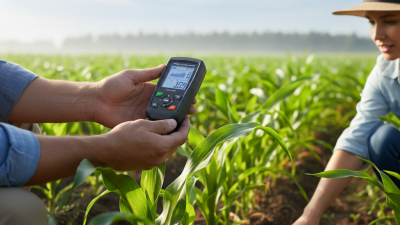
Monitoring plant health is crucial for successful gardening and agriculture. A reliable Chlorophyll Tester aids in this process. These devices measure chlorophyll levels, providing insights into plant vitality and nutrient status.
When selecting the best Chlorophyll Tester, consider accuracy and ease of use. Some testers are portable, making them convenient for outdoor use. However, not all models function equally well. A tester may give inconsistent readings in varying light conditions. It can be frustrating when results fluctuate unexpectedly.
Experienced growers recommend testing multiple plants for accurate assessments. This approach helps avoid reliance on a single reading. Proper understanding of chlorophyll levels allows for better management of fertilizers and watering. Investing in a quality Chlorophyll Tester can lead to healthier plants and improved yields. But, be mindful of the limitations and ensure your device meets your specific needs.
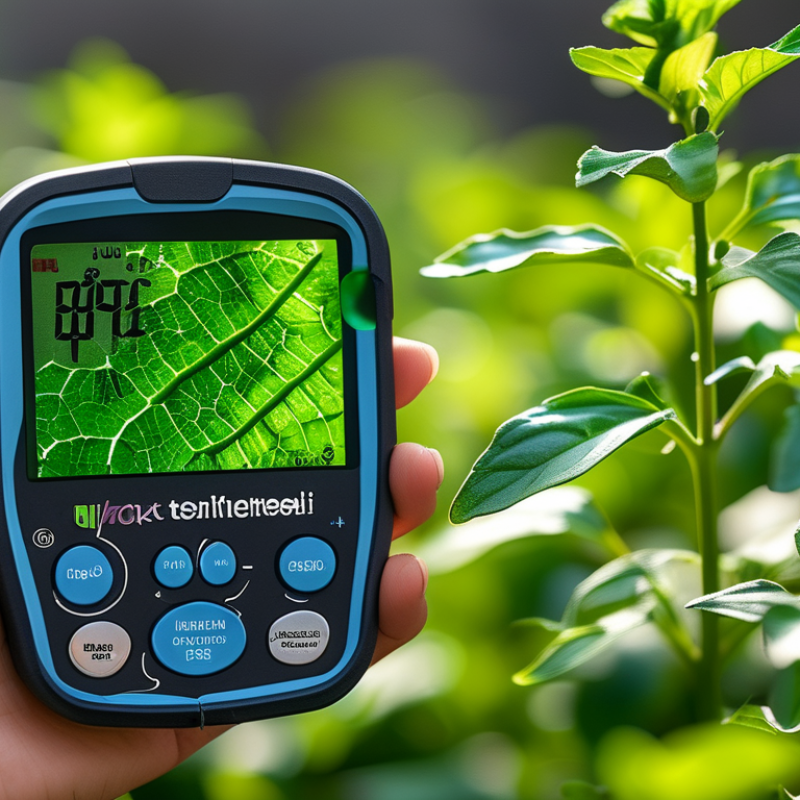
Best Chlorophyll Tester Overview: Importance in Plant Health Monitoring
Monitoring plant health is crucial for sustainable agriculture. Chlorophyll levels directly impact photosynthesis, influencing crop yield and quality. Research shows that optimal chlorophyll content can enhance growth by 30%. Therefore, accurate measurement devices are essential. They provide vital data to farmers, helping them make informed decisions.
Using chlorophyll testers enables quick assessments of plant vitality. A study found that plants with higher chlorophyll levels exhibited improved resistance to pests. This resistance is not just beneficial for plant survival, but also for reducing pesticide use. Identifying plants that lack chlorophyll can prevent bigger issues down the road.
However, not all testers are created equal. Some may offer inconsistent readings, leading to poor decisions. It’s essential to choose reliable devices that offer stable results. Many models exist, but frequent calibration is often required.
Users must be prepared to invest time in using these tools effectively. Inexperienced users might struggle initially, but with practice, they can improve their monitoring skills. The journey of mastering plant health assessment can also present unexpected challenges, prompting users to reflect on their gardening techniques.
Key Features of Effective Chlorophyll Testers for Accurate Measurements
Chlorophyll testers play a critical role in monitoring plant health. An effective device provides accurate measurements that farmers and horticulturists can rely on. A recent industry report indicates that precision in chlorophyll measurement can enhance yield by up to 10%. This underscores the need for high-quality equipment.
Key features to consider when selecting a chlorophyll tester include light sensitivity and calibration accuracy. Devices that adapt to varying light conditions yield more reliable results. According to agronomists, a tester with a sensitivity range of 400-700 nm is ideal. Regular calibration can improve consistency. A study found that improperly calibrated equipment can lead to misinterpretations, impacting plant care decisions.
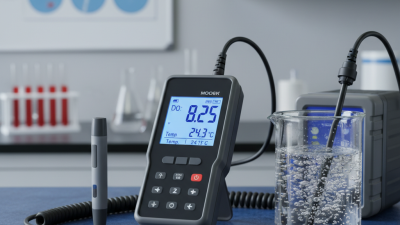
User-friendliness is also an essential aspect. A complicated interface can lead to errors during measurement. Devices with clear displays and straightforward usage instructions help mitigate this issue. In a survey of agricultural professionals, over 60% reported that ease of use influenced their purchasing decisions. Therefore, choosing a chlorophyll tester that checks these boxes is crucial for anyone serious about plant health monitoring.
Comparative Analysis: Top Chlorophyll Testers on the Market (2023)
Chlorophyll testers are essential tools for monitoring plant health. They measure chlorophyll content, indicating how well a plant absorbers sunlight for photosynthesis. A 2022 study revealed that plants with higher chlorophyll levels often yield better harvests, reflecting enhanced growth. For farmers and gardeners, choosing the right chlorophyll tester can lead to more effective plant care and improved productivity.
In 2023, various testers have emerged in the market. These devices range from handheld meters to more advanced sensors. Some testers offer quick readings, while others provide detailed analyses over time. Industry reports indicate that nearly 70% of users prefer meters that display real-time data. This allows for immediate adjustments in plant care, such as optimizing water and nutrient levels. However, not all testers are created equal. Some models may struggle with accuracy under varying light conditions, making it vital for users to assess their environment.
Data from a recent survey showed that 45% of gardeners felt their testers lacked reliability. This gap highlights the importance of user feedback in product development. Consumers need devices that are both user-friendly and precise. Continuous improvement is crucial in this field, as plant health can dramatically affect food supply and quality. As the industry evolves, staying informed about the latest advancements can help users make better choices.
Chlorophyll Tester Comparison - Plant Health Monitoring (2023)
Understanding Chlorophyll Content: Ideal Ranges for Different Plant Species
Monitoring chlorophyll content in plants is crucial for assessing their overall health. Ideal chlorophyll levels vary across species. For instance, studies show that leafy greens like spinach typically have higher chlorophyll content, around 2.7 mg/cm². In contrast, flowering plants, such as marigolds, may exhibit lower levels, approximately 1.5 mg/cm². Understanding these variations helps growers and researchers identify plant stress early, allowing for timely interventions.
To ensure effective monitoring, using a reliable chlorophyll tester is vital. Such tools provide instant feedback on chlorophyll content, enabling precise adjustments in nutrient management. Accurate readings can significantly impact crop yield and quality. Additionally, environmental factors like light intensity and soil nutrition may influence chlorophyll levels. For instance, optimal light exposure increases chlorophyll concentration, but excessive shade can diminish it.
Tip: Keep a log of chlorophyll readings. This practice aids in tracking plant performance over time. Regular assessments can highlight patterns linked to environmental changes. Another tip is to observe leaf color alongside chlorophyll measurements. Discoloration might indicate nutrient deficiencies or disease, prompting immediate action for plant care.
Technical Specifications: How Calibration Affects Testing Accuracy in Devices
Calibration plays a crucial role in the accuracy of chlorophyll testers. A well-calibrated device ensures that readings are reliable and reflect the true health of the plants being monitored. When devices are out of calibration, the results can be misleading, which may lead to poor decision-making in plant care.
Proper calibration requires a controlled environment and careful settings. It’s not merely about following a checklist; it involves understanding the nuances of the equipment. Different testing conditions, such as light exposure and humidity, can affect outcomes. If the calibration process is rushed or ignored, users might question the validity of their readings.
Maintaining calibration over time is equally important. Regular checks are necessary, as environmental factors can shift performance. Some may think they are saving time by skipping this step, but this can lead to significant errors. Inaccurate readings can misguide plant health assessments, affecting growth outcomes. Thus, investing time in calibration fosters better results and more resilient plants.
Best Chlorophyll Tester for Accurate Plant Health Monitoring
| Device Model |
Measurement Range |
Calibration Method |
Accuracy Level |
Battery Life |
| Model A |
0 - 80 SPAD |
Factory Calibrated |
±1 SPAD |
200 hours |
| Model B |
0 - 70 SPAD |
User Calibration |
±2 SPAD |
150 hours |
| Model C |
0 - 90 SPAD |
Auto Calibration |
±0.5 SPAD |
250 hours |
| Model D |
0 - 100 SPAD |
Manual Calibration |
±1.5 SPAD |
180 hours |





 Contact WhatsApp
 Contact Phone
 Contact Email