Best Water Quality Analyzers for Accurate Testing and Monitoring?
Accurate water quality testing is crucial for various sectors. Water Quality Analyzers play an essential role in ensuring safety and compliance. According to the World Health Organization (WHO), contaminated water is responsible for over 3 million deaths annually. These statistics highlight the need for reliable instruments.
Water Quality Analyzers vary in complexity and design. They can measure parameters such as pH, turbidity, and conductivity. The United States Environmental Protection Agency (EPA) emphasizes the importance of monitoring these parameters regularly to maintain public health standards. However, selecting the right analyzer is often challenging due to the plethora of options available in the market.
While some analyzers offer advanced features, they can be expensive and complex to operate. Understanding the specific needs of a project is vital for effective testing. Users must consider the balance between accuracy and cost. Challenges in interpreting data also arise, as uncalibrated instruments can provide misleading results. Thus, it’s critical to choose reliable Water Quality Analyzers that meet industry standards.
Understanding Water Quality Analyzers: Key Features and Functions
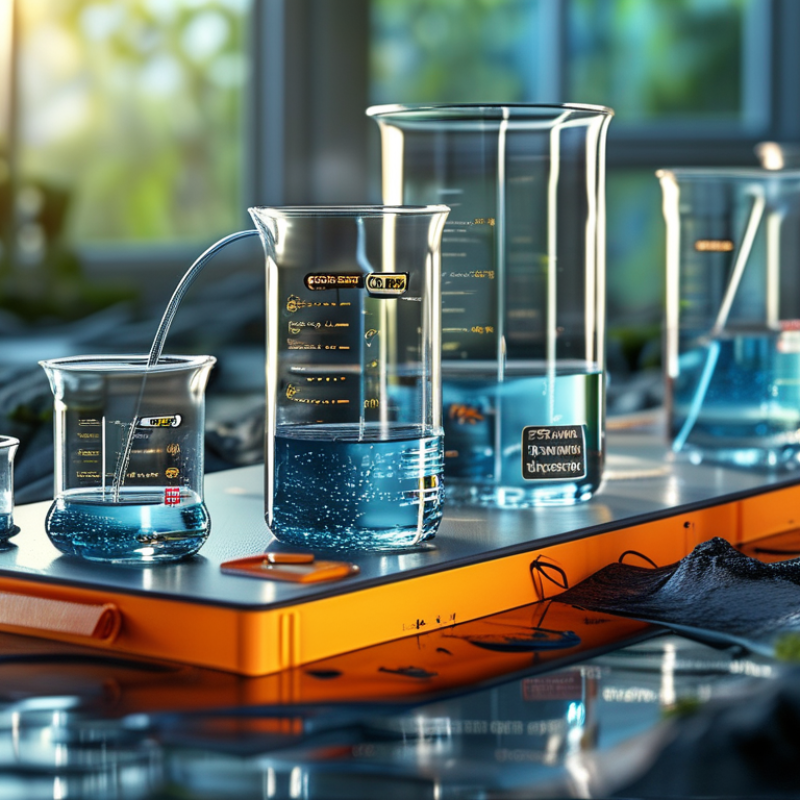
Understanding water quality analyzers is crucial for accurate environmental monitoring. These devices measure parameters like pH, turbidity, dissolved oxygen, and conductivity. Accurate testing is vital; according to the World Health Organization, unsafe water sources cause over 2 billion cases of disease annually.
Key features of these analyzers include real-time data, portability, and ease of use. Many modern devices come equipped with digital interfaces, allowing for quick readings and data logging. For instance, a report from the American Water Works Association highlights that continuous monitoring can reduce harmful contaminants by up to 30%. This proactive approach not only ensures safety but also optimizes water management practices.
Remember to calibrate your analyzer regularly. Calibration ensures that readings remain accurate over time. Additionally, maintain clean sensors to avoid contamination that can skew results. Take time to understand each feature your device offers. A well-informed user can leverage the full potential of their water quality analyzer, ensuring optimal results. These steps can help build a more reliable water testing framework that may otherwise be overlooked.
Best Water Quality Analyzers for Accurate Testing and Monitoring
| Analyzer Model |
Key Features |
Measurement Parameters |
Accuracy |
Price Range |
| Model A |
Portable, Wireless data transmission, User-friendly interface |
pH, TDS, Conductivity |
±0.01 pH, ±1% TDS |
$150 - $300 |
| Model B |
Multi-parameter analysis, Large display, Waterproof |
pH, ORP, Dissolved Oxygen |
±0.02 pH, ±0.2 mg/L DO |
$200 - $500 |
| Model C |
High precision, Automatic calibration, USB connectivity |
Turbidity, pH, Conductivity |
±0.01 NTU, ±0.01 pH |
$300 - $700 |
| Model D |
Compact design, Rechargeable battery, Bluetooth compatible |
Chlorine, pH, Hardness |
±0.1 mg/L Cl, ±0.01 pH |
$100 - $250 |
Types of Water Quality Analyzers: Comparison of Methods and Technologies
Water quality analyzers play a crucial role in monitoring environmental safety. Various methods exist for analyzing water quality, each with its unique strengths and weaknesses. Traditional chemical testing remains a common practice but can be limited in speed and sensitivity. A recent report by the Environmental Protection Agency indicated that over 80% of water testing facilities still rely on these old methods. This reliance can lead to delays and inaccurate readings, especially in emergency situations.
In contrast, newer technologies like digital sensors and portable analyzers have gained traction. These devices provide real-time data and can detect contaminants at lower concentrations. For example, a study by the Water Research Foundation found that portable analyzers increased detection rates of harmful bacteria by 30%. However, they may require more calibration and expertise to operate correctly. Many users report confusion regarding sensor maintenance, highlighting the need for better education on their use.
Another technology gaining attention is remote sensing. This method allows for monitoring water bodies over vast areas without manual sampling. While it provides broader coverage, there are challenges in data accuracy and interpretation. Users often need training to understand the data's implications fully. As water quality monitoring evolves, finding the right balance between traditional methods and innovative technologies will be essential for ensuring safe drinking water.
Criteria for Choosing the Best Water Quality Analyzer for Your Needs
When selecting a water quality analyzer, several factors should guide your decision. Accuracy is paramount. Devices that offer real-time assessments often outperform those requiring manual calibration. Consider how critical measurement precision is for your specific application. Some analyzers have built-in sensors for automatic adjustments. This feature enhances reliability, particularly in dynamic environments.
Ease of use is another essential criterion. Analyzers with intuitive interfaces save time and reduce operator error. A device that is user-friendly allows for quick training. Additionally, portability can be significant. For fieldwork, lightweight and compact options may be necessary. Ensure the battery life meets your testing frequency needs.
Finally, look for devices with good support networks. Manufacturers that offer robust customer service demonstrate credibility. Regulatory compliance is vital too. Always check if the analyzer adheres to industry standards. Testing can sometimes reveal issues, necessitating a reevaluation of your choice. Balancing these aspects will lead you closer to a suitable water quality analyzer for your requirements.
Top Brands and Models for Accurate Water Quality Testing in 2023
In 2023, effective water quality testing is crucial for multiple industries, from agriculture to aquaculture. The right analyzer ensures accurate results, which are essential for maintaining safe water standards. A recent industry report highlights that over 60% of water testing incidents stem from improper equipment usage. Thus, selecting reliable brands and models is crucial for precision.
Different water quality analyzers focus on various parameters, such as pH, turbidity, and dissolved oxygen. Reliable devices can test multiple parameters simultaneously, saving time and labor costs. Sensor technology has improved significantly, providing real-time data and alerts. Studies suggest that analyzers with user-friendly interfaces lead to higher accuracy rates, encouraging more frequent testing.
To enhance testing accuracy, regularly calibrate your device according to the manufacturer’s instructions. Consider creating a schedule for routine checks. Remember, even the best equipment can give misleading results if misused. Investing in quality equipment is just the first step; understanding its operation is equally important. Testing water sources often ensures compliance with safety standards, fostering better health outcomes.
Maintenance and Calibration Tips for Reliable Water Quality Monitoring
Maintaining water quality analyzers is crucial for accurate testing. Regular calibration ensures the sensors function correctly. Over time, sediment and debris can accumulate, affecting readings. This can lead to false interpretations of water quality. Regular checks for cleanliness and proper functioning are essential.
When calibrating, use known standards for each parameter you measure. This brings consistency to your data. If results vary significantly, it might indicate sensor degradation. Different environments can introduce unique challenges. Keep an eye on temperature and pressure changes, as they can impact readings.
User experience plays a vital role in accurate monitoring. A simple oversight in handling can lead to inaccurate results. Always refer to the analyzer's manual for specific maintenance guidelines. Documenting any observed discrepancies helps in future troubleshooting. Regular training for all users will foster a culture of vigilance and care.





 Contact WhatsApp
 Contact Phone
 Contact Email