• instagram (5)
  • 65e82dd72e92827394
  • 65e82dd7a74e048637
  • 65e82dd83039430728
Leave Your Message

China Top TDS Measuring Device Suppliers for Global Buyers

China has become an important sourcing destination for buyers seeking reliable water quality instruments. Among these products, the Tds Measuring Device is widely used in drinking water checks, aquaculture, hydroponics, laboratories, and industrial maintenance. A suitable device can quickly show dissolved solids in ppm or mg/L, helping users identify changes in water conditions.

This guide reviews China’s leading suppliers from a global buyer’s perspective. It focuses on measurable factors, including sensor stability, temperature compensation, calibration support, display readability, battery life, and waterproof construction. Practical sourcing also requires attention to sample testing. A device may appear accurate in a catalog but behave differently after repeated measurements, storage, or exposure to mineral-rich water.

Details matter. Buyers should request calibration records, technical specifications, inspection procedures, and sample units before placing large orders. Suppliers with documented quality systems, responsive engineers, and clear after-sales policies generally offer greater confidence. Certifications should also be checked against the destination market and the product’s intended use.

No supplier is perfect. Some manufacturers offer strong pricing but limited customization. Others provide advanced probes yet require higher minimum order quantities. This guide considers those trade-offs rather than presenting one universal winner. It also highlights communication quality, packaging protection, lead times, and export experience, because a reliable instrument is only useful when it arrives safely and performs consistently. Careful comparison remains essential, especially when readings influence treatment decisions, production controls, or customer trust.

China Top TDS Measuring Device Suppliers for Global Buyers

What Is a TDS Measuring Device and How Does It Work?

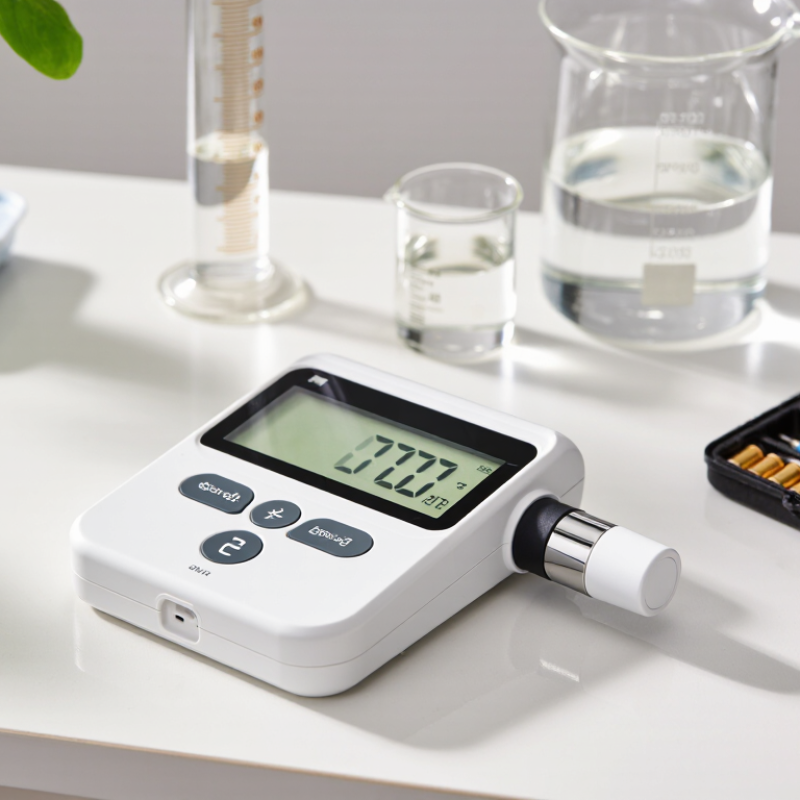
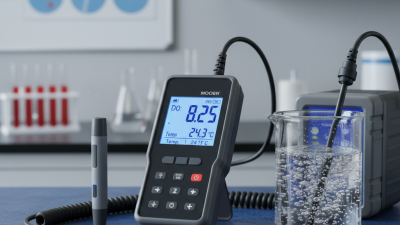
A TDS measuring device estimates the amount of dissolved material in water. TDS means total dissolved solids. These solids may include minerals, salts, and small amounts of metals. The device does not directly collect or weigh every substance. Instead, it measures electrical conductivity and converts that reading into a TDS value, usually shown in parts per million (ppm).

Inside the meter, two electrodes send a weak electrical signal through the water. Dissolved ions carry this signal, while pure water conducts very poorly. More ions usually create higher conductivity and a higher estimated TDS reading.

Temperature affects conductivity, so reliable devices use temperature compensation. However, the result remains an estimate. Different dissolved substances conduct electricity differently, and some contaminants may produce little response. This limitation deserves attention during technical evaluation.

Tips:

Calibrate the meter with a suitable standard solution before testing. Rinse the probe with clean water, then remove excess droplets. Test a fresh sample in a clean cup. Avoid touching the electrodes. Record temperature with each reading. A rising value may suggest changing water conditions, but it cannot identify a specific contaminant. For professional decisions, pair TDS readings with laboratory analysis and other water-quality tests. Calibration can also be forgotten in busy workplaces. That small mistake can distort comparisons between samples.

Key Specifications for Comparing TDS Measuring Device Suppliers

When comparing China-based TDS measuring device suppliers, specifications should guide purchasing decisions. Check the measurement range, accuracy, resolution, and response time. A device reading from 0 to 9,999 ppm may suit different water conditions. Accuracy of ±2% is useful for routine testing, but laboratory work may require tighter control. Confirm whether the quoted accuracy applies across the full range.

Calibration is equally important. Ask about one-point or multi-point calibration, automatic temperature compensation, and the recommended calibration solution. Electrode quality affects long-term stability. Also inspect waterproof ratings, display visibility, battery life, and data-storage functions. Clear technical sheets matter. Missing details can create costly misunderstandings after delivery. Suppliers should provide inspection records, operating instructions, and consistent production samples.

Tips: Request three sample units before placing a larger order. Compare readings using the same solution and temperature. Ask for factory quality-control procedures, replacement electrode prices, minimum order quantities, and lead times. Verify export documents and independent test reports where applicable. A low price is not always a saving. I would also question impressive accuracy claims without test conditions. No supplier is perfect; even a reliable meter may need regular recalibration and careful cleaning.

China Top TDS Measuring Device Suppliers for Global Buyers

Key specifications buyers should compare when evaluating TDS measuring device suppliers. The reference values represent commonly published market benchmarks for handheld TDS meters; actual specifications should be confirmed in each supplier’s datasheet.

The most important comparison points are measurement range, accuracy, calibration flexibility, temperature compensation, and water-resistance performance. Buyers should also verify test certificates, replacement electrode availability, warranty terms, and production quality controls.

Leading China TDS Measuring Device Suppliers for Global Buyers

China Top TDS Measuring Device Suppliers for Global Buyers

Leading China TDS Measuring Device Suppliers for Global Buyers

China’s TDS measuring device suppliers serve laboratories, water treatment teams, aquaculture operators, and household users worldwide. A reliable supplier should explain the sensor design, temperature compensation, calibration method, and production controls. TDS is normally estimated from electrical conductivity, not measured directly. ISO 7888 describes conductivity measurement procedures, making traceable testing important for serious buyers.

Performance must match the application. The US EPA lists 500 mg/L as a secondary standard for drinking-water TDS, mainly because taste and scaling may become concerns. The WHO Guidelines for Drinking-water Quality report no health-based TDS limit, while noting that higher levels can reduce acceptability. Buyers should not treat one displayed number as a complete safety judgment. That mistake remains common.

Experienced Chinese suppliers can provide calibration records, sample inspection data, battery details, waterproofing tests, and replacement-probe support. Ask for repeatability results at low, medium, and high conductivity levels. Check whether the screen remains readable beside a bright treatment tank. Small details matter. Factory audits and pre-shipment checks also reduce inconsistent readings between batches.

A low quotation looks attractive. It may not be economical after returns, recalibration, and training costs. Some specifications still need clearer evidence, especially claimed accuracy and automatic temperature compensation. Global buyers should compare test conditions, not only percentages printed in catalogs. Suppliers that communicate limitations honestly are usually easier to trust.

How to Evaluate Quality, Certification, and Production Capability

Choosing a reliable TDS measuring device supplier in China requires more than comparing prices. Quality begins with sensor stability, repeatability, and clear calibration procedures. Request test records from recent production batches. Check whether readings remain consistent after repeated measurements in the same water sample. Small details matter.

Certification should match your destination market and product configuration. Ask for valid certificates, test reports, and the issuing laboratory’s details. Confirm that the documents cover the actual model, not a similar unit. Compliance marks alone are not enough. A polished file can still hide weak traceability or outdated testing. That is why document verification should include model numbers, test dates, and factory addresses.

Production capability also deserves direct examination. Review assembly lines, aging areas, calibration equipment, and inspection checkpoints. Ask how the supplier manages failed units and component changes. A capable factory can explain its monthly output without hesitation. It should also provide a realistic lead time for samples, pilot orders, and larger shipments.

During supplier evaluations, buyers often focus on capacity but overlook after-sales testing. This is a mistake. Request spare-part policies, firmware control procedures, and response times for technical issues.

Do not rush. A small trial order may reveal packaging weaknesses, unstable readings, or inconsistent user manuals before they affect a larger investment.

Ordering, Customization, Export Services, and Buyer Support

China-based TDS measuring device suppliers support global buyers through ordering, customization, export preparation, and technical service. A reliable purchasing process starts with clear specifications. Confirm the measurement range, resolution, probe type, display language, battery format, and required accuracy. Ask for a sample before placing a large order. Test it in the water conditions your customers actually use.

Customization may include logo placement, color, packaging, firmware language, or a redesigned probe cable. Suppliers should explain tooling fees, minimum order quantities, production times, and inspection procedures in writing. Request calibration records and a pre-shipment test report. Small details matter. A loose battery cover can damage field confidence.

Export support should cover commercial invoices, packing lists, shipping marks, and practical customs information. Verify carton dimensions and protective packaging before dispatch. Moisture-resistant bags and molded inserts can reduce damage during long transport. Buyers should also confirm warranty terms, spare probe availability, and response times for technical questions. Remote video guidance can help distributors train local users.

Still, the lowest quotation is not always the best value. I have seen specifications look excellent until repeated testing revealed unstable readings. That experience suggests using acceptance criteria before payment. Suppliers may not solve every application perfectly. Honest communication about limitations is more useful than exaggerated promises. A dependable partner shares test methods, admits uncertainty, and improves the product after receiving field feedback.