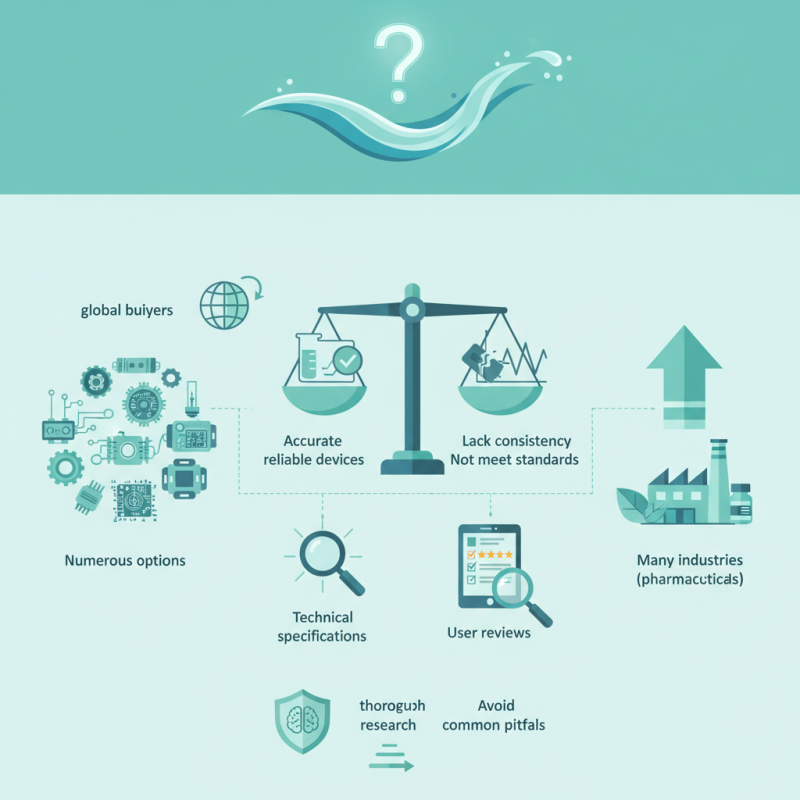
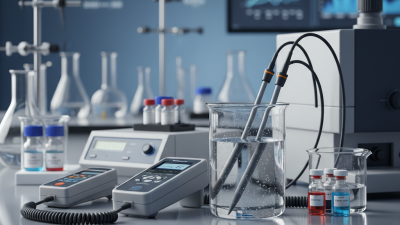
Choosing the right Water pH Sensors can be challenging. Global buyers face numerous options. The market offers a range of products with varying capabilities. Understanding these options can lead to better decision-making.
Water pH Sensors are vital tools for many industries. They ensure water quality and safety. From agriculture to pharmaceuticals, these sensors monitor crucial conditions. Buyers seek reliable devices that provide accurate readings.
However, not all sensors are created equal. Some brands may lack consistency. Others might not meet specific industry standards. It's essential to evaluate technical specifications and user reviews. This way, buyers can identify sensors that truly deliver. By doing thorough research, one can avoid common pitfalls in sensor selection.
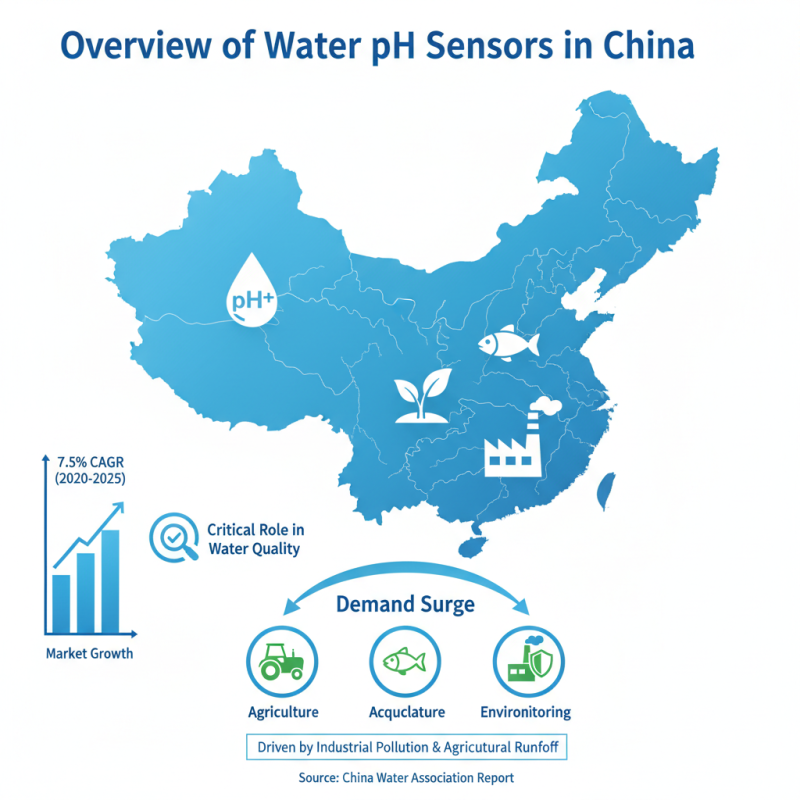
Water pH sensors play a critical role in maintaining the quality of water across various applications. In China, the demand for reliable pH sensors has surged, driven by industries such as agriculture, aquaculture, and environmental monitoring. A report by the China Water Association indicates that the pH sensor market is expected to grow at a CAGR of 7.5% from 2020 to 2025. This growth reflects the increasing focus on water quality management in the face of industrial pollution and agriculture runoff.
Several factors influence the choice of pH sensors. Accuracy is paramount; sensors with a precision of ±0.01 pH are often preferred in scientific applications. Longevity is another factor—some sensors can last only a few months, while others may perform well for up to five years. Manufacturers have been exploring various materials to enhance durability, but challenges remain regarding drift and calibration. Another key consideration is the response time, which can vary significantly among devices, impacting real-time monitoring capabilities.
While there are advanced options available, not every buyer may need high-end features. Understanding the specific application is essential. For instance, aquaculture may prioritize rapid response times, while agricultural applications might focus on cost-effectiveness. This complexity makes it vital for potential buyers to carefully assess their requirements. The existing variability in sensor performance highlights the need for thorough research and informed decision-making.
When selecting pH sensors for water quality monitoring, several key features must be evaluated. Accuracy is paramount. A reliable pH sensor should provide consistent readings within a minimal margin of error. Look for sensors with high sensitivity and fast response times, as these features contribute to their effectiveness in various environments.
Durability is another essential factor. pH sensors often operate in harsh conditions. Materials used should be resistant to corrosion and temperature fluctuations. Take note of the sensor's lifespan and maintenance requirements. Some sensors may require frequent calibrations, which can increase long-term costs and effort.
Consider the sensor’s compatibility with your existing systems. The ease of integration can impact operational efficiency. User-friendly interfaces and clear data output are valuable features. Lack of clear data interpretation can lead to mismanagement. Evaluate these aspects to avoid potential setbacks in your monitoring processes. Each element plays a critical role in ensuring that your water quality assessments are precise, reliable, and practical.
Choosing the right water pH sensor for your needs requires understanding the top manufacturers in China. These companies excel in producing reliable and accurate sensors to meet global standards. Many focus on innovation and quality control. This ensures that their products are suitable for various applications, from environmental monitoring to industrial use.
Tips: Look for manufacturers with extensive experience in the industry. Experience often translates to better product reliability. Consider companies offering a range of sensors. This can provide flexibility for diverse pH measurement needs.
When assessing manufacturers, check their certifications. Certifications validate their commitment to quality. Pay attention to customer reviews; they reveal real-world performance. Some manufacturers may excel in research but lag in customer service. This can impact your experience significantly. Careful evaluation is essential to avoid potential pitfalls.
| Model | Measurement Range | Accuracy | Response Time | Operating Temperature | Power Supply |
|---|---|---|---|---|---|
| Model A | 0-14 pH | ±0.1 pH | < 1 s | 0 - 60°C | DC 5V |
| Model B | 0-14 pH | ±0.05 pH | < 0.5 s | -10 - 50°C | AC 220V |
| Model C | 0-14 pH | ±0.2 pH | < 3 s | 0 - 70°C | DC 12V |
| Model D | 0-14 pH | ±0.1 pH | < 2 s | 0 - 60°C | AC 110V |
When choosing pH sensors, understanding the technology behind them is crucial. Different pH sensor types exist, including glass electrodes, ISFET, and solid-state sensors.
Glass electrodes are reliable and are often used in laboratories. They provide accurate readings but can be fragile. ISFET sensors, on the other hand, offer increased durability and can function well in harsh environments. However, their sensitivity might fluctuate over time.
Tips for selecting the right pH sensor include considering the specific application. For instance, if you need measurements in a corrosive environment, opt for more durable sensors. Check the operating temperature range too. Solid-state sensors tend to handle wider ranges but may not be as precise as glass electrodes.
It’s also essential to reflect on the calibration process. Some sensors require frequent recalibration, which can be time-consuming. Ensure you have the necessary resources and knowledge to perform this task. The stability of the sensor over time is another aspect worth evaluating, as it directly impacts reliability. Engaging with a knowledgeable supplier can provide insights into these factors.
When selecting water pH sensors, international buyers should consider several factors. Durability is key. Sensors in adverse conditions should withstand high pressure and corrosive elements. A report from the Global Water Quality Monitoring Market suggests that environmental robustness is vital for effective monitoring.
Accuracy remains crucial in pH measurement. A deviation of just 0.1 can lead to significant discrepancies in water quality assessments. According to a study by the International Water Association, maintaining precise calibration is essential for reliable results. Additionally, buyers must evaluate the sensor's response time. Delays in readings can affect real-time analysis.
Price cannot be the sole criterion. While some sensors may seem cost-effective, they can incur higher maintenance costs in the long term. Thorough research is necessary to balance initial investment with operational expenses. Lastly, buyers might reflect on their specific needs. Generic solutions may not fit all scenarios. Tailoring choices to particular applications can enhance performance and longevity.