What is a Chlorine Analyser and How Does It Work?
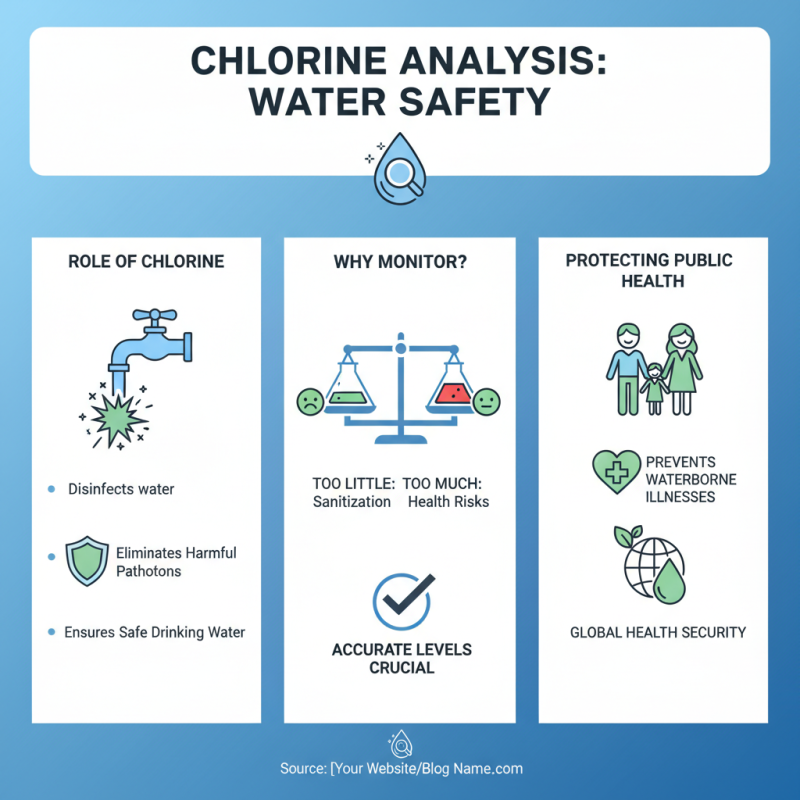
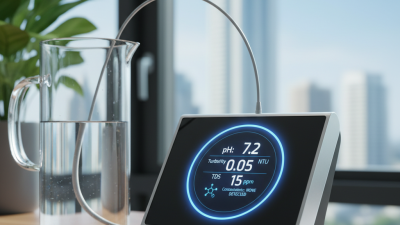
In the realm of water quality monitoring, a Chlorine Analyser plays a vital role. This device measures chlorine levels in water, ensuring safety and compliance. It is essential for various applications, including municipal water systems and swimming pools. Accurate measurements are crucial to prevent health hazards. High chlorine levels can be harmful, while low levels may not eliminate harmful pathogens effectively.
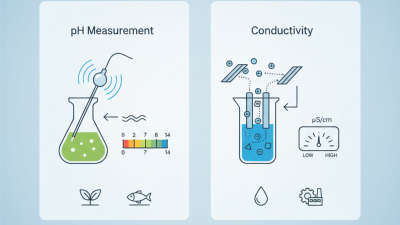
Understanding how a Chlorine Analyser works is key to effective water treatment. These devices use different technologies, such as amperometric or colorimetric methods, to detect chlorine concentrations. Each method has its strengths and weaknesses. For instance, amperometric analysers are highly sensitive but can be affected by other chemicals in the water.
Proper calibration and maintenance of the Chlorine Analyser are critical. Regular checks ensure reliable readings. Users must be vigilant about potential errors in measurements. Factors like temperature and pH can influence results. This highlights the importance of operator training and knowledge. Adopting best practices will lead to improved water quality management.
What is a Chlorine Analyser?
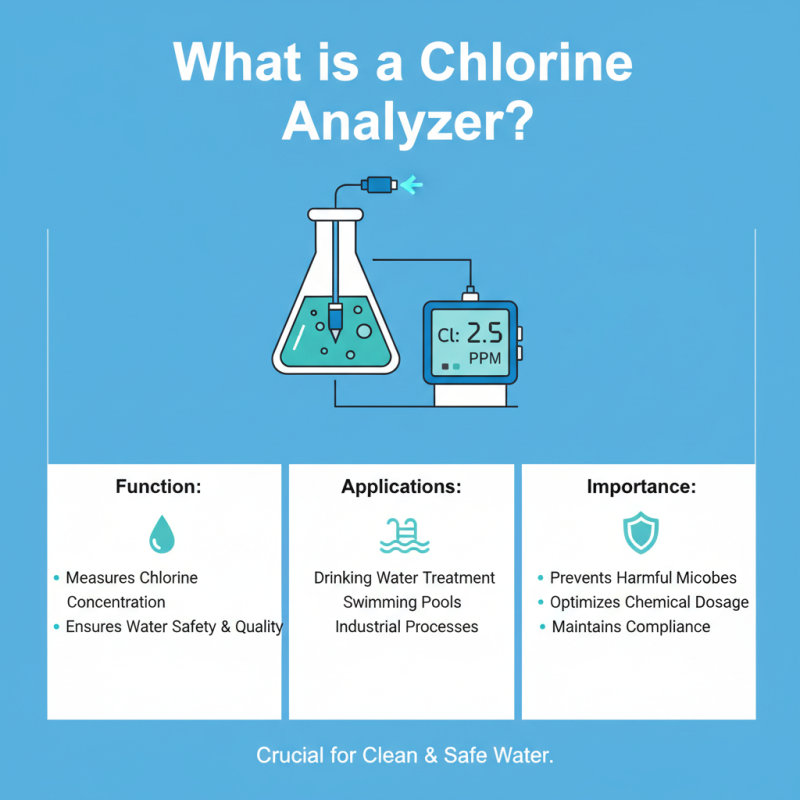
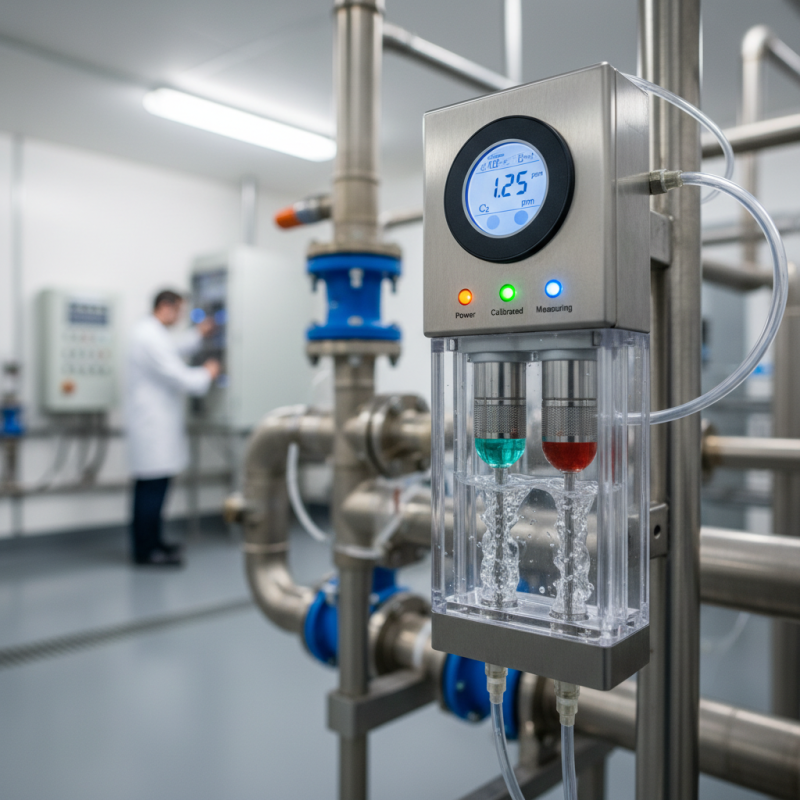
A chlorine analyser is an essential tool in various water treatment processes. It measures the concentration of chlorine in water. This is crucial for ensuring the safety and quality of drinking water. Additionally, it helps in maintaining proper levels in swimming pools and industrial applications.
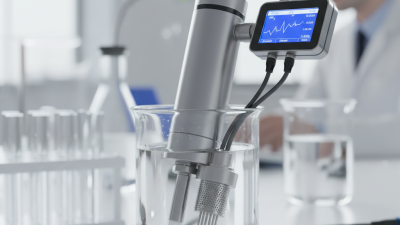
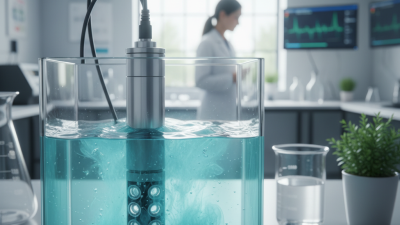
Chlorine analysers work by detecting the chlorine levels through electrochemical methods or colorimetric techniques. Some use sensors immersed in water to provide real-time data. Improper maintenance can lead to inaccurate readings. Regular calibration and cleaning of the analyser are necessary for reliability.
Understanding how a chlorine analyser functions can highlight its importance. Many users may overlook routine checks. This can result in suboptimal water quality. It's not just about having the equipment; it’s about knowing how to use it effectively.
Types of Chlorine Analysers and Their Applications
Chlorine analysers are essential tools in various industries, especially in water treatment. They measure chlorine levels, ensuring safety and compliance with health standards.
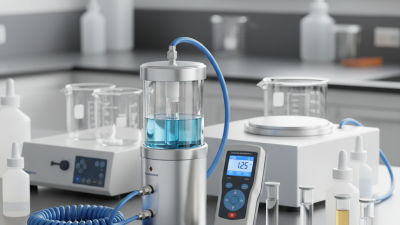
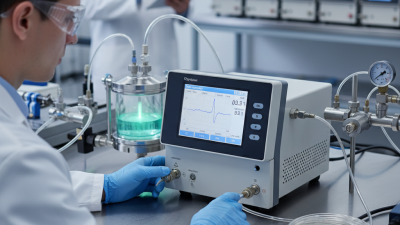
There are two main types of chlorine analysers: portable and online. Portable analysers are handy for fieldwork, allowing quick assessments on-site. They are beneficial for routine checks. Online analysers provide continuous monitoring. They are installed in pipelines, automatically gathering data. This is crucial for large-scale water systems, where consistent chlorine levels are vital.
Tips: Regular calibration of your analyser is necessary for accuracy. Neglecting this step can lead to erroneous readings, which may compromise safety. Another consideration is the maintenance schedule. Regular cleaning and checking sensors can prolong the analyser's lifespan, ensuring reliable performance over time.
Different applications require specific types of analysers. Pools, for example, benefit from portable devices for quick tests. In contrast, municipal water treatment plants rely heavily on online systems. The choice depends on the scale and requirements of the operation. Validating your equipment choice can enhance efficiency.
What is a Chlorine Analyser and How Does It Work?
| Type of Chlorine Analyser |
Working Principle |
Common Applications |
Advantages |
| Colorimetric Analysers |
Use color change to indicate chlorine concentration |
Swimming pools, drinking water treatment |
Cost-effective, easy to use |
| Electrochemical Analysers |
Measure electrical current changes due to chlorine |
Wastewater treatment, industrial processes |
High sensitivity, real-time readings |
| UV-Vis Analysers |
Detect chlorine concentration using UV absorption |
Municipal water supply, aquaculture |
Non-destructive testing, wide detection range |
| Membrane Analysers |
Utilize selective membranes to detect chlorine levels |
Environmental monitoring, food industry |
Portable, low maintenance |
Working Principles of Chlorine Analysers
Chlorine analysers play a crucial role in water treatment processes. They monitor chlorine levels, ensuring safe water for consumption and usage. These devices often utilize different methods to measure chlorine concentrations, including amperometric and photometric techniques.
Amperometric analysers work by sensing electrical currents produced during chemical reactions in the water. When chlorine reacts at the electrodes, it generates a measurable current. This current correlates directly to chlorine levels. Photometric analysers, on the other hand, measure the color change that occurs when a reagent interacts with free chlorine in water.
Both types require careful calibration and regular maintenance for reliable readings. Despite advances in technology, fluctuations in temperature and water composition can affect measurements. Operators must consistently check for accuracy and make adjustments as necessary. Understanding these principles helps in achieving optimal water quality.
Maintenance and Calibration of Chlorine Analysers
Regular maintenance and calibration of chlorine analysers is crucial for ensuring accurate readings. Miscalibrated devices can lead to significant discrepancies in chlorine levels, affecting water quality and safety. According to a study by the American Water Works Association, up to 30% of chlorine analysers fail to provide reliable data due to poor maintenance practices. Thus, adhering to a structured maintenance routine can greatly enhance the reliability of these instruments.
Calibration should ideally occur at least once every six months. This process involves adjusting the analyser to align with a known reference standard. Even minor deviations in calibration can lead to incorrect assessments of chlorine levels. Operators must engage in routine checks and record their findings to identify patterns or anomalies over time. Using calibration solutions that are verified against industry standards ensures accuracy and builds trust in the results.
Tips: Always document maintenance activities. This creates a clear feedback loop for performance tracking. Check for leaks and ensure proper connections before calibrating. Regularly replace worn-out parts to avoid unexpected breakdowns. An unexpected failure during a critical testing period can throw an entire operation off balance. Reflections on past errors can be valuable learning opportunities for continuous improvement.





 Contact WhatsApp
 Contact Phone
 Contact Email