Why Choose a Trace Oxygen Analyzer for Your Industry Needs?
In today's industrial landscape, the demand for precision and safety is paramount. A Trace Oxygen Analyzer plays a crucial role in various sectors, such as pharmaceuticals, oil and gas, and food processing. Dr. Emily Carter, a leading expert in gas analysis technology, emphasizes, “Accurate trace oxygen measurement protects product integrity and ensures safety.” Her insights shed light on why many industries prioritize these instruments.
These analyzers detect very low oxygen levels, preventing contamination and oxidation. In the pharmaceutical sector, for example, even a minute presence of oxygen can compromise drug efficacy. Similarly, in food processing, trace oxygen can lead to spoilage. Industries cannot afford oversight here.
Reliability hinges on choosing the right equipment. Trace Oxygen Analyzers offer real-time monitoring and high sensitivity. While they are often seen as high-tech, their effective integration requires careful thought and training. A gap in understanding can lead to missed opportunities. Investing in a Trace Oxygen Analyzer is not just a purchase; it’s a commitment to quality and safety.
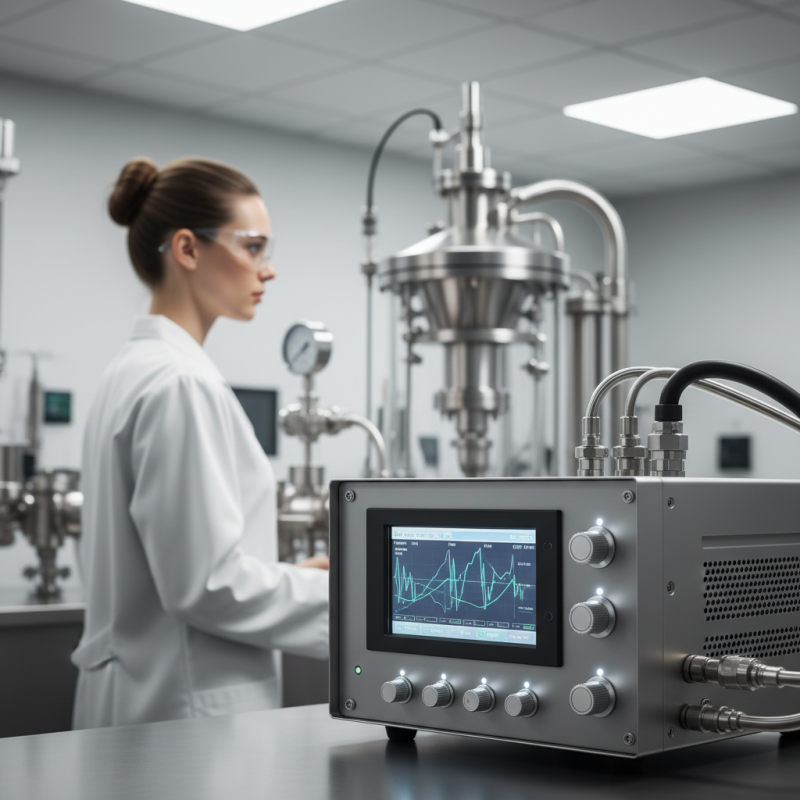
Understanding the Importance of Trace Oxygen Measurement in Industries
In various industries, trace oxygen measurement plays a crucial role. It helps ensure product quality and process efficiency. Even a small concentration of oxygen can lead to significant issues. For instance, in pharmaceuticals, oxygen can degrade sensitive compounds. In food packaging, it may affect freshness and shelf life.
The importance of monitoring trace oxygen levels cannot be overstated. It aids in preventing oxidation, which can compromise product integrity. High oxygen levels can also lead to safety hazards in processes where flammable materials are present. Industries like electronics manufacturing and metal processing greatly benefit from precise oxygen monitoring.
Tips: Regular calibration of your trace oxygen analyzer is essential. Ensure that your equipment meets industry standards. Train your staff to recognize the importance of oxygen measurement. Awareness and proactive measures can minimize risks. By understanding and addressing the challenges of trace oxygen, industries can improve their operations effectively.
Key Applications of Trace Oxygen Analyzers Across Various Sectors
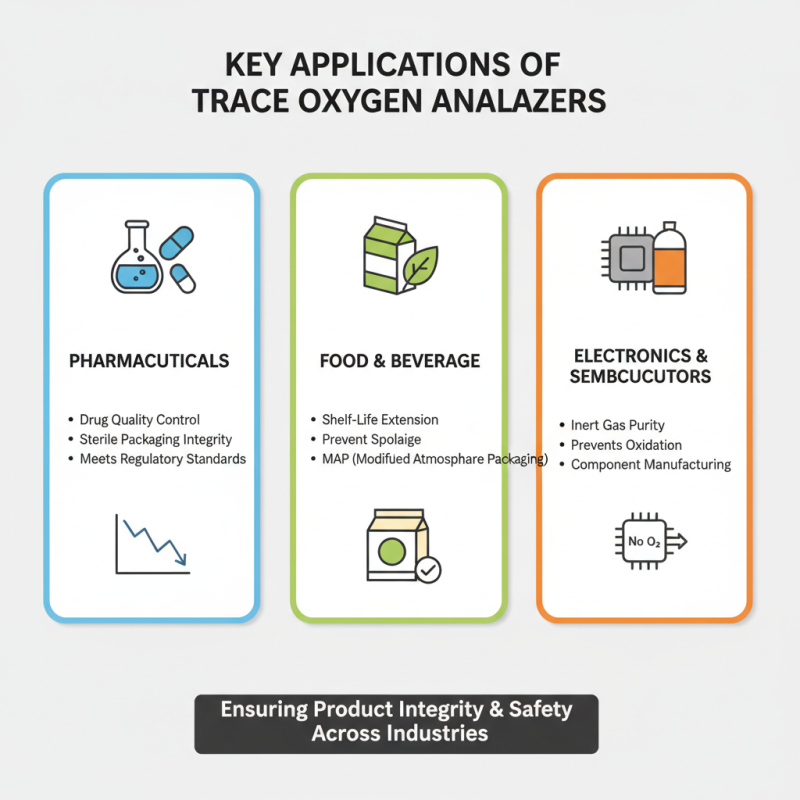
Trace oxygen analyzers play a crucial role in various industries. Their ability to measure oxygen levels accurately makes them invaluable in applications ranging from pharmaceuticals to food packaging. In the pharmaceutical sector, even the smallest oxygen contamination can compromise drug quality. Here, trace oxygen analyzers ensure the integrity of products, helping manufacturers meet stringent regulatory standards.
In the food packaging industry, oxygen levels significantly impact shelf life. Excess oxygen can lead to oxidation, affecting flavor and safety. By using trace oxygen analyzers, companies can monitor and control atmospheric conditions within packaging. This practice not only prolongs product freshness but also boosts consumer confidence. However, relying solely on these devices isn't foolproof; regular calibration is essential to maintain accurate readings and prevent potential product loss.
In the semiconductor industry, trace oxygen levels can influence the manufacturing process. Oxygen must be controlled closely to avoid defects in chips. Trace oxygen analyzers are installed in production environments to monitor these levels continuously. However, technicians must verify that the analyzers are functioning correctly. An unexpected sensor drift could lead to serious production issues, emphasizing the need for constant vigilance.
Benefits of Using Trace Oxygen Analyzers for Product Quality and Safety
Trace oxygen analyzers are essential in various industries. They ensure product quality and maintain safety standards. These devices measure the low levels of oxygen in different environments. The goal is to minimize oxidation, which can damage sensitive materials.
Oxygen can cause spoilage in food products, compromising freshness. In the pharmaceutical industry, the presence of oxygen can lead to product degradation. With precise monitoring, businesses can adjust conditions to protect their goods. This enhances overall quality. Investing in a reliable trace oxygen analyzer can be crucial for meeting safety regulations.
Despite their importance, not all companies understand their full potential. Some may overlook maintenance, leading to inaccurate readings. Proper calibration and regular checks are necessary for reliability. Operators should be trained to interpret data effectively. This fosters a culture of quality and safety in the workplace. By embracing technology like trace oxygen analyzers, industries can focus on their core objectives while ensuring product integrity.
Why Choose a Trace Oxygen Analyzer for Your Industry Needs?
| Feature |
Benefit |
Industry Applications |
| Real-time Monitoring |
Ensures consistent product quality |
Food and Beverage |
| High Sensitivity |
Detects low oxygen levels, preventing spoilage |
Pharmaceuticals |
| Portability |
Easy to use in various settings |
Manufacturing |
| User-Friendly Interface |
Simplifies data interpretation |
Research and Development |
| Calibration Features |
Maintains accuracy over time |
Aerospace |
How Trace Oxygen Analyzers Improve Efficiency and Reduce Costs
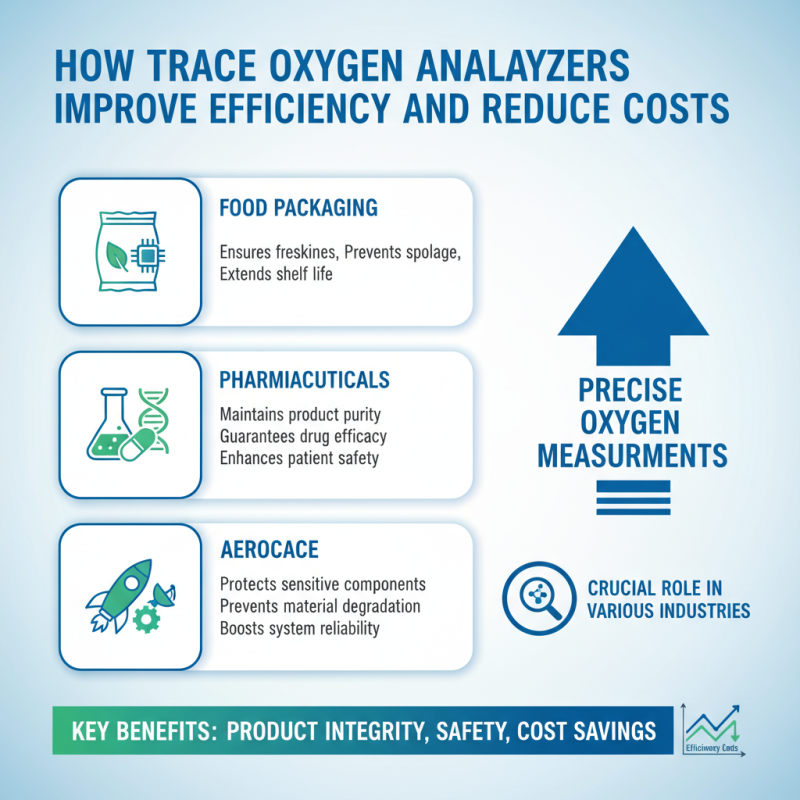
Trace oxygen analyzers play a crucial role in various industries, particularly in food packaging, pharmaceuticals, and aerospace. By providing precise measurements of oxygen levels, these analyzers help ensure product integrity and safety. According to industry research, even small amounts of oxygen can lead to significant degradation of sensitive products. Therefore, effective monitoring is essential.
Implementing a trace oxygen analyzer can enhance operational efficiency. For instance, research by the International Society for Oxygen Studies indicates that reducing oxygen levels in storage can increase the shelf life of perishables by up to 40%. This not only minimizes waste but also cuts down on costs associated with spoilage. Companies can save significantly in transportation and storage by maintaining optimal conditions.
**Tips:** Regularly calibrate your analyzer to ensure accuracy. This maintenance can prevent costly errors. Be aware of the specific requirements for your industry. Not all processes require the same level of oxygen monitoring.
Additionally, tracking oxygen levels can reveal inefficiencies in production processes. A consistent high oxygen reading might indicate leaks or improper seal integrity. By addressing these issues promptly, businesses can potentially reduce costs and improve product quality. Thus, trace oxygen analyzers are not just tools; they are integral to operational success.
Factors to Consider When Selecting a Trace Oxygen Analyzer for Your Needs
Selecting a trace oxygen analyzer requires careful consideration of several critical factors. First, your industry sector plays a key role. For example, in food packaging, maintaining low oxygen levels is vital to extend shelf life. According to a report by the Food and Beverage Industry Association, products in low-oxygen environments have a shelf life increase of up to 30%.
Another important aspect is the analyzer’s detection limit. Different industries have unique requirements for oxygen levels. A semiconductor manufacturing facility might require detection limits as low as 0.1 ppm. In such cases, the analyzer must deliver accurate readings quickly to prevent production defects. Additionally, the analyzer's calibration stability should be assessed. Frequent recalibrations can lead to downtime and increased costs.
Compatibility with existing systems is also a consideration. An analyzer should integrate seamlessly with your operations. Reports indicate that suboptimal integration can lead to a 20% increase in operational inefficiencies. Pay attention to the user interface as well. A complex interface can hinder usability and may require additional training. Ultimately, selecting the right trace oxygen analyzer should involve a thorough understanding of your specific operational needs and challenges.
Trace Oxygen Analyzer Performance Comparison
This chart compares the sensitivity levels (in ppm) of different trace oxygen analyzers across various applications. The data illustrates how specific analyzers perform in high-tech industries such as semiconductor manufacturing, pharmaceuticals, and food processing.





 Contact WhatsApp
 Contact Phone
 Contact Email