2026 How to Choose the Best Free Chlorine Tester for Your Needs?
Choosing the right Free Chlorine Tester is crucial for pool and water safety. Expert David Klein, a renowned water quality specialist, emphasizes, "A precise Free Chlorine Tester can save lives." His words highlight the importance of selecting the best tools for monitoring chlorine levels.
When evaluating testers, consider your specific needs. Some testers are portable and easy to use, while others provide detailed readings. Knowing where and how you’ll use the tester can inform your decision. Budget is another important factor. There are affordable options without sacrificing quality.
Many users may overlook calibration and maintenance requirements. A tester that needs constant recalibration may not be reliable. Durability should also be assessed. A robust design can withstand practical usage in various environments. Reflect on what features truly suit your needs, and ensure you invest wisely.
Understanding Free Chlorine and Its Importance in Water Testing
Free chlorine is a crucial disinfectant used in water treatment. It helps eliminate harmful pathogens. Understanding its role is vital for maintaining safe water. Research shows that free chlorine levels should typically be between 1 to 3 parts per million (ppm) for effective disinfection. This range ensures adequate protection against bacteria and viruses while minimizing byproducts that can be harmful to health.
Regular testing for free chlorine levels is essential. Many recreational water illnesses are linked to improper chlorine levels. The CDC reported that over 4,000 outbreaks related to contaminated recreational water occurred between 2000 and 2014. This data highlights the importance of routine monitoring. A lack of adequate free chlorine can lead to severe health risks. Hence, selecting a reliable tester becomes paramount for water quality management.
Choosing the right free chlorine tester requires an understanding of the testing methods. Some testers use DPD colorimetric methods, while others utilize electronic sensors. Each method has its advantages and disadvantages. For instance, electronic sensors may provide rapid results, but they could require calibration. On the other hand, colorimetric tests are straightforward yet can be subject to subjective interpretation. Regular assessment and calibration of the chosen testing method are necessary for accuracy.
Types of Free Chlorine Testers Available on the Market
When it comes to selecting a free chlorine tester, understanding the types available is crucial. The market offers several options. Colorimetric testers are popular for their simplicity. They often use reagents that change color based on chlorine levels. Users can easily compare the resulting color to a chart. This method is quick and doesn't require complex equipment. However, color matching can be subjective. Lighting conditions may alter your perception of the color.
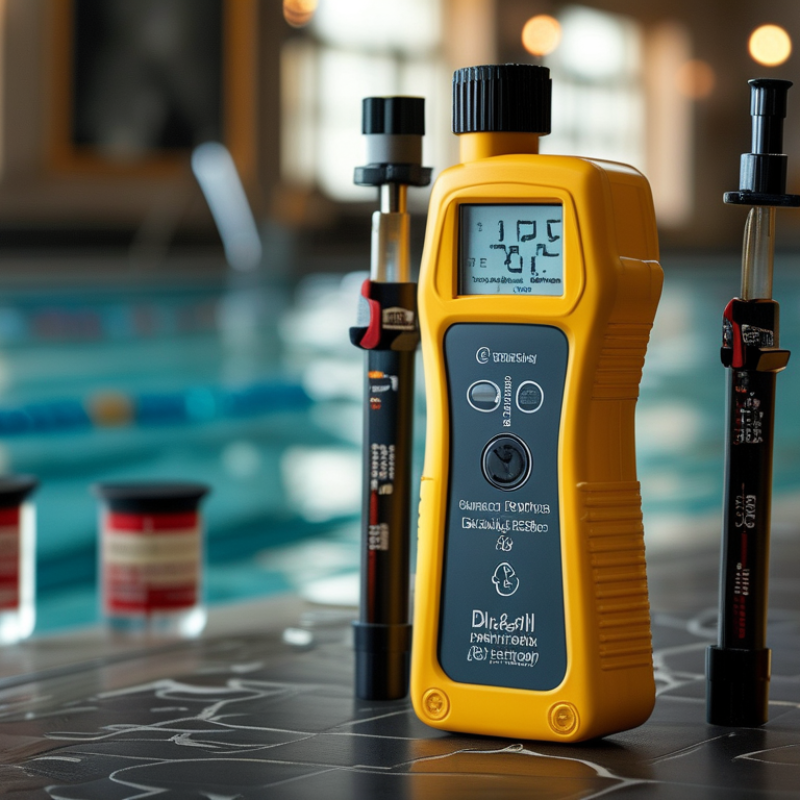
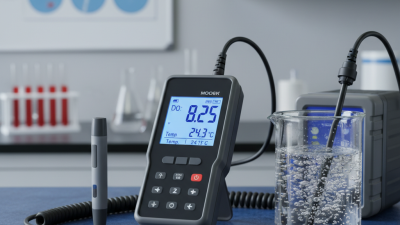
On the other hand, digital testers provide a different experience. These devices use sensors to give precise chlorine readings. They often come with digital displays, making them easy to read. Many digital testers feature automatic temperature compensation for accuracy. These devices require batteries and regular calibration, which some users may find inconvenient. Reliability is key; digital testers can sometimes fail if not maintained.
Finally, test strips offer a portable and user-friendly option. They are ideal for quick checks. Simply dip the strip into the water and compare the colors. While they are easy to use, the accuracy may be affected by factors like water clarity and age of the strips. Each type has its merits and drawbacks. It's worth reflecting on your specific needs before making a decision. Consider factors like accuracy, ease of use, and maintenance requirements when choosing the right tester for you.
Key Features to Consider When Choosing a Free Chlorine Tester
When selecting a free chlorine tester, focus on several key features. Accuracy is paramount. A device that provides consistent readings ensures safe water. According to a study by the National Sanitation Foundation, testers with an accuracy rate of ±0.1 ppm are often preferred in the industry. This accuracy is crucial for maintaining appropriate chlorine levels in pools and drinking water.
Another essential feature is the ease of use. A user-friendly interface allows for quick and reliable readings, particularly for those less experienced in water testing. Portable designs are advantageous, making it easier to monitor multiple locations. A report by the Centers for Disease Control and Prevention highlights that portable testers significantly increase compliance among pool operators with regular testing schedules.
Consider the reading time as well. Some testers deliver results in under a minute, while others may take longer. Fast readings can improve the response time for treatment adjustments. However, be cautious of models that compromise on accuracy for speed. Balance is vital. Reliability should not be sacrificed for convenience. Testing regularly and selecting the most suitable tester lays the groundwork for safe water.
2026 How to Choose the Best Free Chlorine Tester for Your Needs? - Key Features to Consider When Choosing a Free Chlorine Tester
| Feature |
Description |
Importance Level |
Example Measurement Range |
| Measurement Accuracy |
Refers to how precise the tester is in reading the chlorine levels. |
High |
0-10 ppm |
| Ease of Use |
How user-friendly the tester is, including setup and readability. |
Medium |
N/A |
| Response Time |
The time it takes to get a reading after taking the sample. |
Medium |
10 seconds |
| Portability |
How easy it is to carry the tester around for on-the-go testing. |
High |
N/A |
| Calibration Requirements |
How often the tester needs to be calibrated to maintain accuracy. |
High |
Monthly |
| Cost |
The price of the tester and whether it provides value for money. |
Medium |
$20 - $100 |
How to Evaluate the Accuracy and Reliability of a Tester
When evaluating the accuracy and reliability of a free chlorine tester, consider several key factors. Calibration is crucial; frequent calibration ensures that the tester provides accurate readings. Look for testers that come with clear manual instructions. They should guide you in calibrating the device properly. Consistent use of calibration solutions is essential for maintaining accuracy over time.
Another aspect to evaluate is user feedback. Reading reviews from experienced users can provide insight into the tester's reliability. Pay attention to comments about long-term performance. A tester might show initial accuracy, but over time its reliability may wane. It's important to look for testers that maintain consistent results throughout their lifespan.
Lastly, consider the technology used by the tester. Some rely on traditional chemical methods, while others utilize digital sensors. Digital testers could offer faster results but may be more sensitive to environmental factors. Assess your needs and choose accordingly. Remember that no tester is perfect; even the best can have limitations. Addressing these points will help you make a more informed decision.
Tips for Maintaining and Calibrating Your Free Chlorine Tester
When maintaining a free chlorine tester, calibration is crucial. Proper calibration ensures accurate readings, which is vital for effective water quality management. According to a report by the Water Quality Association, inaccuracies of up to 15% can occur in poorly calibrated devices. Regular checks make sure your tester is functioning correctly.
Use calibration solutions that match your testing range. This aligns the device with standardized values, promoting reliable results. Many professionals recommend calibrating your tester at least once a month. However, frequency may depend on usage and environmental conditions. Extreme conditions can lead to faster drift in readings.
Proper cleaning is also essential. Residue can build up and affect accuracy. Regularly rinse the tester with deionized water after each use. This simple step prevents contamination. Remember that even good devices have limitations. It is crucial to understand their operational range and possible discrepancies. Monitoring your tester closely helps maintain its longevity and effectiveness.





 Contact WhatsApp
 Contact Phone
 Contact Email