How to Choose the Best Oxygen Testers for Your Needs?
Choosing the right Oxygen Testers is crucial for safety and accuracy. In various settings like laboratories, workplaces, and outdoor activities, understanding oxygen levels can save lives. The market offers a range of options, from handheld devices to more sophisticated models.
Quality oxygen testers should provide reliable measurements and easy usability. Not every tester is suitable for every situation. Some testers excel in specific environments, while others may fall short. It is essential to consider features like response time, calibration, and battery life. These factors can significantly impact performance.
Purchasing the right device requires research and reflection. Look for brands with a solid reputation and positive reviews. Yet, you may find discrepancies in user experiences. What works for one might not suit another. Carefully evaluate your unique needs before making a decision. Selecting the best oxygen tester can empower you to create safer environments.
Understanding the Importance of Oxygen Testers in Various Applications
Oxygen testers play a crucial role in various fields such as healthcare, industrial safety, and environmental monitoring. In medical settings, maintaining the correct oxygen levels is vital for patient care. Too low oxygen can lead to serious health issues. Workers in enclosed spaces also rely on these devices to ensure their safety. Oxygen deficiency can be life-threatening. Hence, accurate testers are essential in these environments.
In industrial applications, oxygen testers help monitor air quality. For example, in welding or chemical processing, high oxygen levels can pose explosion risks. Using reliable testing devices can avert disasters. While many testers are available, not all are equally effective in every situation. It's important to recognize that the choice of a tester might vary based on specific needs and environments.
Choosing the right oxygen tester requires understanding its specifications. Some devices offer real-time monitoring, while others provide periodic readings. This distinction can impact your safety and effectiveness in critical situations. Relying solely on brand reputation is not enough. Personal experiences and reliable reviews play a more vital role in the selection process. It’s essential to reflect on your unique needs.
Key Features to Look for in an Oxygen Tester
When choosing the best oxygen testers, certain key features merit attention.
Reliability is paramount. Look for devices with a proven accuracy of at least 95%. A recent industry report highlights that errors in oxygen level readings can lead to critical safety incidents. Testing must ensure you achieve precise results.
Another crucial aspect is the sensor technology used.
Electrochemical sensors are common and often provide stable readings. However, some newer models utilize optical sensors, offering enhanced accuracy in challenging conditions. A study found that optical sensors can give 20% better performance in fluctuating temperatures.
Portability also matters, especially for fieldwork. Lightweight models are easier to carry, reducing the risk of damage. Consider battery life; models with extended life can support prolonged use in remote areas. On average, units with a battery life exceeding 24 hours have been found more reliable in the field. These features significantly affect usability in varying environments.
Types of Oxygen Testers and Their Specific Uses
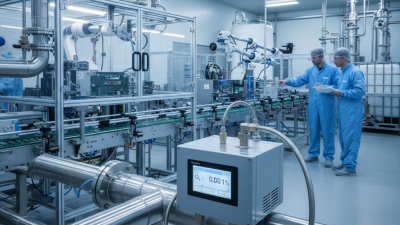
Choosing the right oxygen tester depends on your specific needs and the environment in which you will use it. Various types of oxygen testers serve different purposes, each designed for particular situations. Industrial oxygen analyzers, for example, often meet strict safety standards in factories. They provide precise readings in manufacturing settings where air quality is critical.
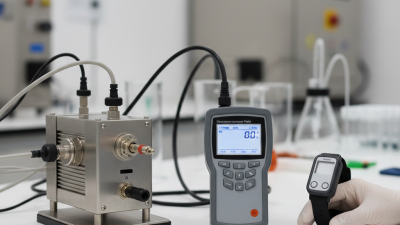
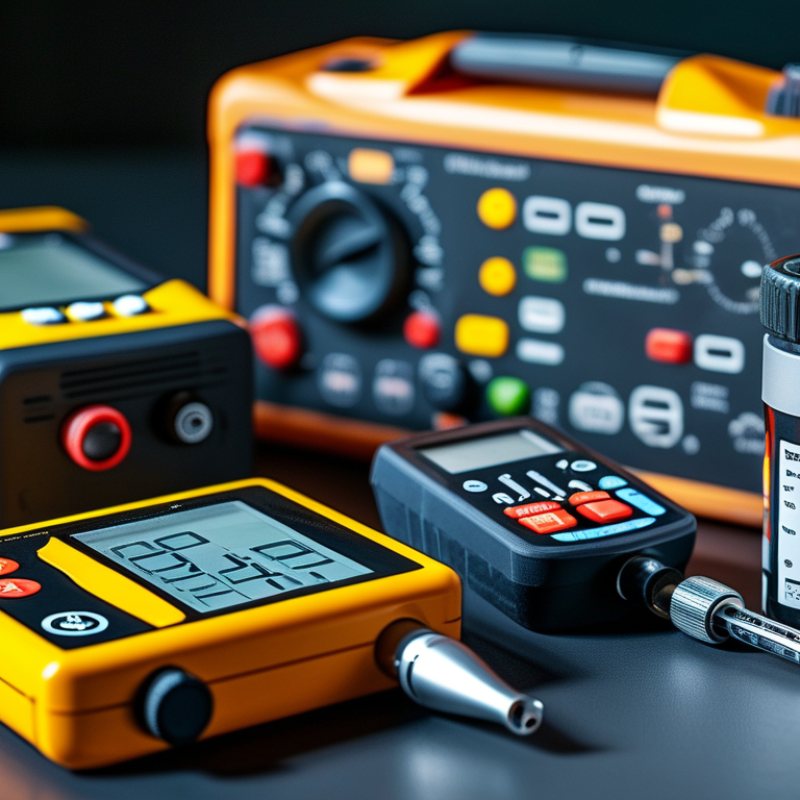
Portable oxygen meters are suitable for fieldwork. They are compact and easy to carry. These testers can measure oxygen levels in remote locations. However, accuracy may decline with frequent use or exposure to harsh environments. Users must regularly calibrate their devices to maintain reliability.
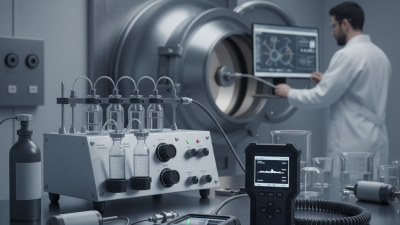
Another type includes laboratory-grade oxygen sensors. These are used in research environments. They provide high accuracy and repeatability, essential for scientific experiments. But they may require specialized knowledge to operate correctly. Understanding the specific use and limitations of each tester type is crucial for effective monitoring.
How to Evaluate the Accuracy and Reliability of Oxygen Testers
When selecting oxygen testers, evaluating their accuracy and reliability is crucial. Begin by examining the specifications provided by the manufacturer. Look for the calibration method and the range of measurement. A reliable tester should have a clear calibration process. Inaccurate readings can lead to serious consequences in critical environments. Make sure to verify if the tester complies with relevant standards.
Consider reading user reviews and expert opinions. First-hand experiences can shed light on the tester's performance over time. Pay attention to issues like drift in readings or failure rates. A tester that seems perfect on paper might not perform well in real life. Seek testimonials that discuss both strengths and weaknesses of the product. This balance can guide your decision-making.
Regular maintenance also affects reliability. Testers require periodic calibration and checks to ensure ongoing accuracy. Be prepared to invest time in these tasks. A good tester is more than just a device; it's a commitment to safety and reliability in your operations. Reflect on your specific needs and environment before making a choice. Ultimately, the right oxygen tester is one that aligns with your practical requirements while ensuring dependable results.
How to Choose the Best Oxygen Testers for Your Needs? - How to Evaluate the Accuracy and Reliability of Oxygen Testers
| Feature |
Description |
Accuracy Range |
Calibration Method |
Battery Life |
| Sensor Technology |
Types of sensors used, e.g., electrochemical, optical. |
±1% of full scale |
Auto-calibration or manual calibration options. |
Up to 2000 hours |
| Measurement Range |
Range of O2 levels the device can measure. |
0-25% |
Factory calibrated |
Up to 3000 hours |
| Size and Portability |
Dimensions and weight of the tester for easy handling. |
Compact design |
N/A |
N/A |
| User Interface |
Ease of reading the display and user-friendliness. |
Transparent LCD with backlight |
N/A |
N/A |
| Warranty |
Duration of warranty period offered by the manufacturer. |
1-2 years |
N/A |
N/A |
Budget Considerations When Selecting an Oxygen Tester
When selecting an oxygen tester, budget plays a crucial role.
Determining how much you can spend is the first step. Quality testers can range significantly in price. Less expensive options may lack accuracy or durability.
Investing in a reliable device is essential for safety and performance.
Consider what features you need. Basic models can meet simple requirements. However, more advanced testers offer extra functionalities.
Look for features like data logging or real-time monitoring.
Weigh these against your budget. Sometimes, opting for a slightly more expensive model can save money in the long run.
Think about repair and maintenance costs as well.
Reflect on the long-term value of your purchase. Cheaper models might not last or perform as desired. This could lead to more frequent replacements.
Assessing your specific needs can guide a wiser investment. Spending more upfront might yield better results and reduce overall expenses.
Each choice you make should consider both current needs and future implications.





 Contact WhatsApp
 Contact Phone
 Contact Email