• instagram (5)
  • 65e82dd72e92827394
  • 65e82dd7a74e048637
  • 65e82dd83039430728
Leave Your Message

How to Choose a Carbon Dioxide Detector in 2026?

Choosing a Carbon Dioxide Detector in 2026 requires more than comparing prices and screen sizes. A reliable device should help you understand ventilation, occupancy, and changing indoor conditions. It should not create false confidence.

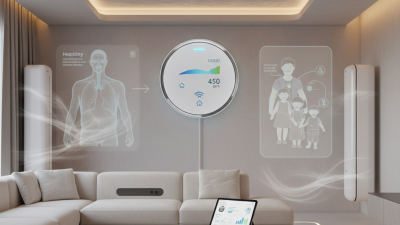
Dr. Richard Corsi, an indoor-air-quality researcher, has stated, “CO2 is a useful proxy for ventilation, not a complete measure of indoor air quality.” This distinction matters. Carbon dioxide detectors measure CO2 concentration, but they do not directly detect mold, fine particles, volatile chemicals, or carbon monoxide. A crowded classroom may show rising readings within minutes. A bedroom with closed windows may display a similar pattern overnight. The numbers need context.

Look for a proven NDIR sensor, clear accuracy specifications, regular calibration guidance, and a readable display. Data logging can reveal daily patterns that a single reading misses. Alarm settings should be adjustable, because a quiet home office and a busy training room have different ventilation needs. Placement also matters. Keep the detector away from open windows, air vents, kitchens, and direct breathing zones. Small details matter.

Independent testing helps, although certifications and product claims can be difficult to compare. Some low-cost models appear impressive but drift over time. I have found that convenience often hides limitations. This guide will examine sensor technology, calibration, response time, connectivity, power options, and practical placement. It will also question whether each feature improves decisions, or merely adds another glowing number to the wall.

How to Choose a Carbon Dioxide Detector in 2026?

What Is a Carbon Dioxide Detector and Why Is It Needed?

How to Choose a Carbon Dioxide Detector in 2026?

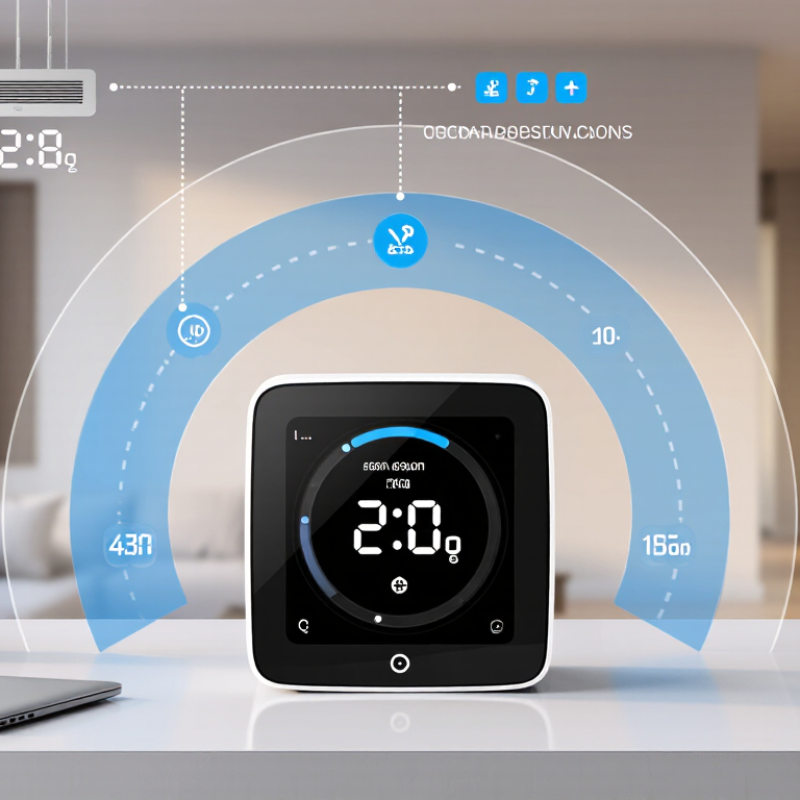
A carbon dioxide detector measures CO2 in indoor air. It is not a carbon monoxide alarm. CO2 comes from breathing, combustion, and poor ventilation. In a crowded classroom, meeting room, or bedroom, levels can rise quietly. People may notice drowsiness, headaches, or poor concentration first. A detector provides measurable evidence before discomfort becomes severe.

Most devices show CO2 in parts per million, or ppm. Higher readings usually suggest that fresh air is limited. However, a reading is not a complete health diagnosis. Sensor accuracy, room size, airflow, temperature, and placement all matter. In my experience, readings can change sharply when a window opens. That can be useful, but also confusing. No detector is perfect. Choose a model with documented accuracy, calibration guidance, a clear display, and a suitable alert system. Independent test information and technical documentation support more reliable decisions.

Tips: Place the sensor near breathing height, away from windows, vents, and direct sunlight. Check its reading in an empty room, then compare it during normal occupancy. Follow the manufacturer’s calibration schedule. Do not cover ventilation problems with an alarm. A detector warns you; it does not create fresh air. Short-term spikes may be normal, but repeated high readings deserve attention.

Which Types of Carbon Dioxide Detectors Are Available?

How to Choose a Carbon Dioxide Detector in 2026?

Carbon dioxide detectors mainly use non-dispersive infrared technology, photoacoustic sensing, thermal conductivity, or colorimetric testing. NDIR devices are the common choice for offices, classrooms, and homes. They measure infrared absorption and usually provide stable readings across normal indoor ranges. Photoacoustic sensors can be compact and sensitive, but their performance depends heavily on calibration and airflow design. Thermal conductivity sensors suit industrial environments with high CO2 concentrations. Colorimetric tubes offer inexpensive spot checks, not continuous monitoring. They respond differently.

Selection should follow the room’s purpose, concentration range, and maintenance conditions. The World Meteorological Organization’s Greenhouse Gas Bulletin No. 20 reported global CO2 reached 420.0 ppm in 2023, or 151% of the pre-industrial level. Indoor readings can rise quickly near sleeping occupants, crowded classrooms, or poorly ventilated meeting rooms. ASHRAE Standard 62.1 uses approximately 1,000 ppm as a ventilation evaluation reference, not a universal health threshold. A detector should therefore display real-time values, record trends, and provide adjustable alarms.

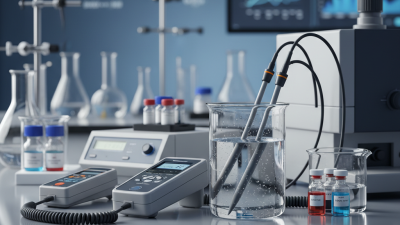
Look for automatic baseline correction, manual calibration, temperature compensation, and clear uncertainty specifications. Avoid treating a cheap VOC sensor as a genuine CO2 detector. Some products estimate CO2 from other gases, producing convincing but unreliable numbers. Calibration still matters. Dust, humidity, installation height, and blocked vents can distort results. A practical weakness remains: no sensor type performs perfectly in every building. For critical spaces, compare readings with a calibrated reference instrument and document the testing conditions.

What Key Features Should You Compare Before Buying?

When choosing a carbon dioxide detector in 2026, compare the sensor before the screen. NDIR technology is generally preferred for indoor monitoring because it measures infrared absorption directly. Look for a stated accuracy of about ±50 ppm or ±5% of the reading. Some specifications sound precise but omit temperature and humidity conditions. That omission matters.

ASHRAE Standard 62.1-2022 treats ventilation as a system issue, not a single CO2 target. The U.S. Environmental Protection Agency notes that readings near 1,000 ppm can indicate insufficient outdoor air in some occupied spaces. However, CO2 is not a complete indoor-air-quality test. Choose a detector with a range reaching at least 5,000 ppm, since NIOSH lists 5,000 ppm as an eight-hour occupational exposure limit. Do not confuse that limit with a comfortable home target.

Check automatic baseline calibration, manual calibration, and calibration intervals. A device beside an open window may “learn” a false baseline. It can look accurate while drifting. Data logging, exportable readings, and timestamps help compare a crowded meeting room with an empty one. A visible alarm, adjustable threshold, and low-battery warning are practical advantages. Temperature and humidity displays add useful context, although they do not validate the CO2 sensor. I would also compare response time, power options, screen readability, and privacy settings. A detector that stores measurements locally may suit sensitive workplaces better. Even strong specifications deserve testing in the actual room.

How to Choose a Carbon Dioxide Detector in 2026? - What Key Features Should You Compare Before Buying?

Feature to Compare Recommended Specification Why It Matters What to Check Before Buying
Sensing Technology NDIR sensors measure carbon dioxide by detecting how the gas absorbs infrared light. They are generally more selective for CO₂ than low-cost indoor-air sensors that estimate or infer CO₂. Confirm that the product uses a true CO₂ NDIR sensor and clearly states whether it is single-beam or dual-beam.
Measurement Range Outdoor air is commonly around 400 ppm, while occupied indoor spaces can rise above 1,000 ppm. A range up to 5,000 ppm provides useful headroom for crowded or poorly ventilated areas. Choose a wider range, such as up to 10,000 ppm, for commercial, industrial, laboratory, or high-occupancy applications.
Accuracy Accuracy affects whether the displayed value is useful for ventilation decisions. The exact error usually changes with temperature, humidity, and measurement range. Read the complete accuracy statement and check whether it applies at room temperature, across the full range, or only at a single reference point.
Resolution Higher resolution makes gradual changes easier to observe, although resolution is not the same as accuracy. Do not select a detector solely because it displays many digits. Compare resolution with the stated accuracy and repeatability.
Response Time A shorter response time helps users notice changes after occupancy increases, windows open, or ventilation equipment starts. Check whether the response time is specified for still air, moving air, or a particular sampling interval.
Calibration Method Calibration helps maintain measurement quality over time. Automatic baseline calibration can be useful in regularly ventilated spaces, while manual calibration is valuable when a known reference is available. Verify the calibration interval, fresh-air requirements, adjustment procedure, and whether automatic calibration can be disabled in continuously occupied rooms.
Alarm Settings An alarm can warn occupants when CO₂ rises above a selected ventilation target. Adjustable thresholds are more practical than a single fixed alarm level. Check the alarm volume, mute function, visual indicator, hysteresis, and whether the threshold can be changed without special software.
Display Information Temperature and humidity provide useful context, while a trend indicator helps users understand whether conditions are improving or worsening. Make sure the main CO₂ reading is easy to see from the intended distance and that units can be changed where required.
Data Logging Historical data can reveal occupancy patterns, ventilation problems, and the effect of operational changes. Compare logging intervals, storage capacity, timestamp accuracy, export format, and whether data remains available during a power interruption.
Connectivity Connectivity enables remote monitoring, centralized records, or integration with building-management systems. Check network security, supported protocols, subscription requirements, range, and whether the device can operate without cloud access.
Power Options Portable detectors need sufficient battery life, while fixed monitors benefit from continuous power and automatic recovery after an outage. Compare operating time, charging method, battery replacement policy, standby behavior, and whether the device loses logged data when power is removed.
Operating Conditions Environmental limits affect sensor performance and determine whether the detector is suitable for classrooms, offices, workshops, or sheltered outdoor areas. Check the specified temperature and humidity range, condensation limits, altitude compensation, and protection against dust or water if needed.
Installation and Placement CO₂ concentration can vary by room location. A detector placed near a breathing zone may not represent the whole space if it is blocked, exposed to direct exhalation, or positioned beside an air outlet. Follow the manufacturer’s placement guidance. Avoid direct sunlight, steam, drafts, cooking emissions, and locations immediately next to doors or supply vents.
Safety and Compliance Information Compliance documentation helps confirm that the product has been evaluated for its electrical and electromagnetic environment. Look for applicable declarations, test reports, installation instructions, and warnings. Do not treat a general indoor CO₂ monitor as a certified life-safety gas alarm unless explicitly approved for that purpose.
Maintenance Requirements Sensor drift, dust, aging, and environmental exposure can reduce long-term reliability. Clear maintenance instructions make performance easier to verify. Check recommended verification frequency, service availability, replacement cost, cleaning instructions, and whether the sensor module can be replaced.
Best Use Case A simple room monitor may be adequate for ventilation awareness, whereas industrial or process applications may require sampling systems, certified equipment, and professional installation. Define the purpose first: personal measurement, classroom ventilation, building automation, workplace monitoring, or process control.

How Should You Choose the Right Detector for Your Space?

How to Choose a Carbon Dioxide Detector in 2026?

The right carbon dioxide detector depends on your space, not only its advertised accuracy. A small bedroom needs different coverage from a busy classroom or meeting room. Measure the room size, ceiling height, and usual occupancy before choosing a model. A compact room may need one central detector, while a long room may need multiple monitoring points. Placement matters greatly. Keep the sensor away from windows, vents, cooking areas, and direct breath.

Choose a detector using a reliable NDIR sensor. This technology is widely used for indoor carbon dioxide monitoring. Check its measurement range, stated accuracy, response time, and calibration method. Automatic calibration can be convenient, but it may perform poorly in rooms that stay occupied continuously. That detail is easy to miss. Review the technical instructions and plan regular checks against a known reference or professional service.

Set alarm levels according to local guidance, workplace requirements, and the manufacturer’s instructions. Avoid treating one number as suitable for every building. A clear display helps people notice rising levels, while audible or visual alerts support quick action. Data logging is useful for identifying patterns, such as afternoon increases in a classroom. Do not place the detector where children can tamper with it or where moisture can damage it. No choice is perfect. Recheck its readings after furniture, occupancy, or ventilation changes.

How to Choose a Carbon Dioxide Detector in 2026?

How Should You Choose the Right Detector for Your Space?

Select a detector with a measurement range that covers both normal indoor conditions and the highest level you may need to identify. Outdoor carbon dioxide is approximately 420 ppm, while 1,000 ppm is commonly used as a ventilation indicator rather than a universal health limit. For workplaces, the OSHA 8-hour permissible exposure limit is 5,000 ppm, and the NIOSH immediately dangerous to life or health value is 40,000 ppm.

For homes, classrooms, and offices, choose a calibrated NDIR sensor with clear visual or audible alerts, data logging, and an adjustable alarm threshold. For industrial or confined spaces, select a detector rated for the environment and capable of measuring well above 5,000 ppm.

How Can You Install, Use, and Maintain It Correctly?

How to Choose a Carbon Dioxide Detector in 2026?

Installation determines whether a carbon dioxide detector provides useful information. Place it at breathing height, about 1.1 to 1.7 meters above the floor. Keep it away from windows, supply vents, cooking areas, and direct breath. A wall near the room’s occupied zone usually works better. Do not hide it behind furniture. Before use, record the room size, occupancy, and ventilation schedule.

ASHRAE Standard 62.1 explains that CO2 is mainly a ventilation indicator, not a complete indoor-air-quality test. A reading near 1,000 ppm can suggest insufficient fresh air, but it is not a universal health limit.

Use the detector to identify patterns, not to chase one number. Compare readings before, during, and after occupancy. NIOSH identifies 5,000 ppm as an eight-hour exposure limit and 40,000 ppm as immediately dangerous to life or health. These values are far above normal comfort targets. If readings rise quickly, improve ventilation and investigate the cause.

Maintenance is easy to underestimate. Check the display, power supply, alarm function, and sensor response monthly. Follow the calibration interval in the technical manual. A reference-gas calibration is more reliable than repeatedly resetting the device.

The uncomfortable truth: one neglected sensor can create false confidence.

Tips: Keep a dated log beside the detector. Clean its air openings gently. Replace batteries before low-power warnings. Avoid placing two sensors directly together. Review unusual readings manually. Mistakes happen. Calibration records matter.