How to Choose a Trace Oxygen Analyzer in 2026?
Choosing a Trace Oxygen Analyzer in 2026 requires more than comparing prices and advertised detection limits. The correct instrument must match your process, sample composition, pressure, temperature, and required accuracy. Small errors matter. A few parts per million can affect product quality, moisture control, inerting performance, or laboratory conclusions. Experience shows that impressive specifications often hide practical limitations, especially when samples contain moisture, solvents, dust, or corrosive compounds.
This guide examines the technical and operational factors behind a dependable selection. It considers zirconia, electrochemical, and laser-based technologies, along with response time, calibration stability, sample conditioning, data recording, and maintenance access. It also explains why a clean sampling line can matter as much as the analyzer itself. Reality is messier. No single model suits every application, and the lowest purchase price may create higher service costs later. Reliable decisions should come from verified datasheets, application testing, manufacturer support, and documented calibration procedures. Independent standards and qualified technicians can strengthen confidence, but they cannot replace process-specific judgment. Readers should question vague accuracy claims, unclear gas compatibility, and unsupported lifetime promises. A sensible choice balances measurement performance, installation conditions, operator skill, and long-term ownership. This approach helps buyers select a Trace Oxygen Analyzer that remains trustworthy when the process becomes demanding, not merely when the showroom demonstration looks perfect.
Trace Oxygen Analyzer Fundamentals and Measurement Objectives
Choosing a trace oxygen analyzer starts with the measurement objective, not the instrument display. Oxygen concentration may be reported in percent, parts per million, or parts per billion. Define the expected range first. A nitrogen purge line may need reliable readings below 10 ppm, while hydrogen production monitoring can require broader range control. The International Energy Agency reported global hydrogen demand of about 97 million tonnes in 2023, increasing the need for dependable purity verification (IEA, Global Hydrogen Review 2024).
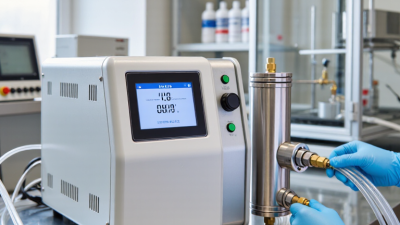
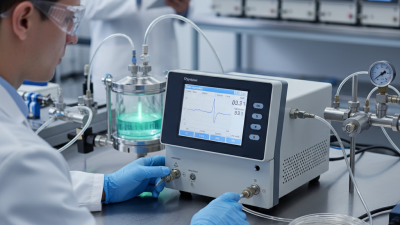
The sensing principle affects accuracy, speed, and maintenance. Electrochemical sensors are practical for many low-level applications, but their electrolyte can age. Zirconia sensors respond quickly at elevated temperatures and often suit process monitoring. Optical sensors can reduce consumable replacement, although moisture, pressure, and sample flow still require control. Small details matter. A wet sampling tube can distort a dry-gas result. ASTM D7927 highlights the importance of controlled sampling when measuring trace contaminants in gas streams.
Set the objective around risk. Is the analyzer protecting a catalyst, confirming cylinder purity, or preventing oxygen entry into an inert chamber? Each purpose needs different response time, detection limit, and calibration frequency. NIST guidance on measurement traceability supports using documented reference gases and uncertainty records. In practice, operators often specify impressive ppb sensitivity, then overlook pressure regulation. That is a mistake worth revisiting. Select materials with low oxygen permeability, verify leak tightness, and compare readings during startup and steady flow. A stable result is more useful than a dramatic one.
Key Application Conditions and Required Oxygen Detection Range
How to Choose a Trace Oxygen Analyzer in 2026?
The correct detection range depends on the application, not the instrument’s largest advertised number.
In nitrogen, argon, or hydrogen service, oxygen may require measurement from percentage levels down to parts per million or parts per billion. A semiconductor gas line may need single-digit ppb sensitivity, while inert-gas packaging often works within the low-ppm range.
The 2024 International Energy Agency Global Hydrogen Review reported nearly 100 million tonnes of hydrogen production in 2023. Even small oxygen leaks can therefore affect large, continuous processes.
Pressure, temperature, moisture, and gas flow also influence accuracy. A wet sample can slow the sensor response or create unstable readings. Heated sampling lines may be necessary when condensation is possible.
For high-pressure pipelines, confirm the analyzer’s pressure limits and use a suitable regulator. ISO 14644-1 addresses airborne particle cleanliness, but it does not define oxygen concentration limits. That detail is easy to overlook.
Sensor selection should match the real operating range, with some margin below the required limit.
Electrochemical sensors may suit routine ppm monitoring, while zirconia or laser-based systems can support faster response and wider process control. Verify calibration intervals, response time, sample conditioning, and data logging.
Industry reports often emphasize reliability, yet field experience suggests installation errors cause many failures. I would not choose a ppb analyzer for every application; extreme sensitivity can increase cost and maintenance without improving process decisions.
Sensor Technologies, Accuracy, Response Time, and Maintenance Needs
Choosing a trace oxygen analyzer starts with the sensor, not the display. Electrochemical sensors suit many low-ppm applications and provide practical accuracy at moderate cost. Zirconia sensors respond well in warmer, cleaner streams, but they may need stable temperature control. Optical sensors can offer fast, selective measurements, although moisture, pressure, and sample conditioning may affect results.
Accuracy depends on more than the advertised detection limit. Check repeatability, calibration uncertainty, pressure effects, and the analyzer’s performance across the actual oxygen range. A reading near 1 ppm is not useful if the sample line leaks or holds old gas. Keep tubing short. Dead volume slows response.
Response time matters during purging, vessel changeover, and process alarms. Ask for the complete response time, including filters, regulators, and transport tubing. A sensor may react quickly on paper but slowly in a long, wet sample system. Field experience suggests testing the analyzer with real process gas before purchase. Clean, dry calibration gas is still necessary.
Maintenance needs often decide long-term reliability. Electrochemical sensors may require periodic replacement, while optical systems can reduce sensor wear but still need clean windows and stable flow. Plan for calibration access, spare filters, drain points, and clear fault alerts. Do not ignore operator skill. A sophisticated analyzer can produce poor data when calibration steps are unclear. Some assumptions will be wrong; review them after the first month of operation.
Safety, Compliance, Total Cost, and Final Model Selection
How to Choose a Trace Oxygen Analyzer in 2026?
Safety and compliance should guide the selection, not marketing language.
Define the oxygen range, sample pressure, temperature, and expected contaminants before comparing models. A unit designed for clean laboratory gas may fail in a humid process line. Confirm alarm functions, electrical classification, enclosure rating, and calibration traceability. Requirements vary by location and industry, so qualified safety personnel should review the installation.
Total cost includes more than the purchase price.
Check sensor replacement intervals, calibration gas consumption, filters, pumps, tubing, training, and service access. A low-cost analyzer can become expensive after repeated downtime.
Ask for documented response time and accuracy under real operating conditions. Request test records, not only brochure claims. Small details matter.
I have seen teams choose impressive specifications and overlook sample conditioning.
That mistake is easy to repeat. A practical comparison should score measurement range, stability, maintenance time, data output, alarm reliability, and technical support.
Include the cost of one year’s operation. Then test the preferred model with a representative gas stream, if possible.
The final choice should fit the process, the compliance file, and the operator’s daily routine. Not every elegant specification survives the plant floor.





 Contact WhatsApp
 Contact Phone
 Contact Email