How to Choose the Best Chlorine Analyser for Accurate Water Testing in 2025
In the realm of water quality management, the significance of accurately measuring chlorine levels cannot be overstated. As we move into 2025, the demand for reliable and effective testing solutions intensifies, leading many professionals and organizations to seek out the best chlorine analyser tailored to their specific needs. A well-functioning chlorine analyser is crucial not only for ensuring safe drinking water but also for maintaining the health of aquatic environments.
Choosing the right chlorine analyser involves careful consideration of various factors, including accuracy, ease of use, and the specific context in which it will be employed. Whether for municipal water supplies, swimming pools, or wastewater treatment facilities, the ability to select a chlorine analyser that meets rigorous standards is essential for achieving consistent and trustworthy results. This introduction aims to guide users in identifying the key features to look for in a chlorine analyser, ensuring they make an informed decision that supports their water testing objectives.
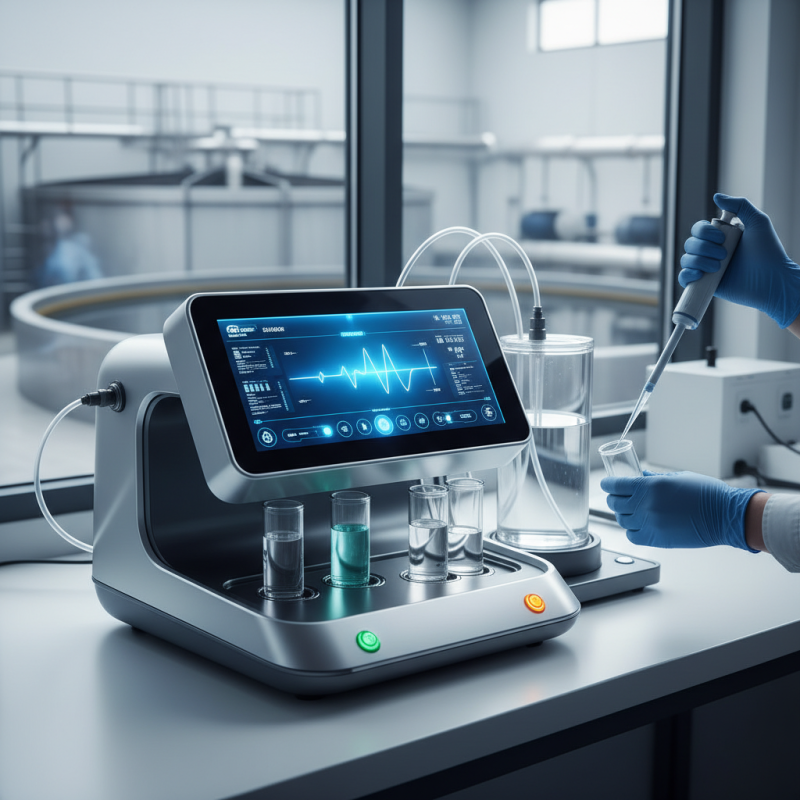
Understanding Chlorine Analysers: Types and Functions
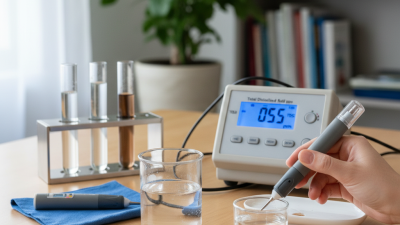
Chlorine analysers are essential tools in water quality testing, particularly for ensuring safe drinking water and proper pool maintenance. There are various types of chlorine analysers available, each designed for specific applications and environments. The most common types include colorimetric analysers, amperometric titrators, and digital meters. Colorimetric analysers utilize chemical reagents that change color in the presence of chlorine, allowing for visual detection of concentration levels. Amperometric titrators, on the other hand, measure the electrical current produced during a reaction with chlorine, providing precise quantitative results. Digital meters offer a user-friendly interface, delivering real-time readings that can simplify monitoring processes.
In selecting the right chlorine analyser, it's vital to consider the specific functions and features that best meet your requirements. For example, portability may be crucial for field testing, while laboratory settings may prioritize high accuracy and advanced data management capabilities. Additionally, the speed of analysis, maintenance needs, and the range of chlorine concentrations a device can measure should also influence your decision. Understanding these aspects will help in choosing an analyser that not only suits your operational needs but also ensures the reliability of your water quality assessments.
Key Features to Consider When Selecting a Chlorine Analyser
When selecting a chlorine analyser for precise water testing, several key features should be carefully considered to ensure optimal performance and reliability. One of the most critical specifications is the analyser’s sensitivity level, measured in parts per million (ppm). According to a study by the American Water Works Association, a high-quality chlorine analyser should reliably detect chlorine levels as low as 0.01 ppm, which is crucial for maintaining water quality standards, especially in municipal supply systems.
Another essential aspect is the analyser's response time. A faster response enables quicker adjustments and monitoring, which is vital during peak usage periods or chemical adjustments. Research indicates that an ideal chlorine analyser should have a response time of less than 1 minute for accurate and timely readings. Additionally, the ease of calibration and maintenance plays a significant role; an efficient analyser should offer simple calibration procedures to reduce downtime and improve operational efficiency. Features such as automatic self-diagnostics and built-in maintenance alerts can significantly enhance user experience and reliability over its lifespan.
Finally, connectivity options are increasingly important in modern analysers. According to a 2023 market report from the Water Quality Association, up to 60% of water treatment facilities are moving towards IoT-enabled devices for real-time data management. An analyser with robust connectivity features allows for seamless data transfer and analysis, facilitating proactive monitoring and decision-making in water quality management. By prioritising these key features, users can select a chlorine analyser that not only meets their current needs but also adapts to future challenges in water treatment.
Chlorine Levels in Different Water Sources
Comparing Analytical Methods for Chlorine Measurement
When selecting the best chlorine analyzer for water testing in 2025, it is essential to consider various analytical methods available for accurate chlorine measurement. Traditional methods, including the DPD (N,N-diethyl-p-phenylenediamine) method, remain popular due to their simplicity and effectiveness in measuring free chlorine levels. This method typically relies on colorimetric analysis, where the intensity of the color developed in the presence of chlorine correlates to its concentration in the sample. However, recent studies indicate that while this method provides quick results, its accuracy can be compromised by the presence of interfering substances, which can lead to misleading data.
In contrast, emerging technologies such as ultraviolet (UV) absorption and amperometric titration are gaining traction for their enhanced accuracy and reliability. According to a report published by the American Water Works Association (AWWA), UV absorption methods can detect chlorine at concentrations as low as 0.1 mg/L, making them suitable for more sensitive applications. Amperometric methods, which measure the current generated by the electrochemical reaction of chlorine, have shown reproducibility and lower detection limits, offering a more consistent approach particularly in complex water matrices. As regulatory standards for drinking water quality become stricter, understanding these differences in analytical methods will be crucial for water treatment facilities aiming for compliance and efficiency in chlorine measurement.
Ultimately, choosing the right analytical method will significantly impact the accuracy of water quality assessments, guiding decisions that ensure public health and safety in an increasingly water-scarce world.
How to Choose the Best Chlorine Analyser for Accurate Water Testing in 2025 - Comparing Analytical Methods for Chlorine Measurement
| Analytical Method |
Detection Range (mg/L) |
Accuracy (%) |
Response Time (minutes) |
Maintenance Frequency (months) |
| Colorimetric |
0.1 - 10 |
95 |
5 |
6 |
| Electrochemical |
0.01 - 5 |
93 |
2 |
12 |
| DPD Colorimetric |
0.2 - 10 |
97 |
3 |
6 |
| UV-Vis Spectrophotometry |
0.05 - 20 |
95 |
10 |
9 |
| Titration |
0.1 - 15 |
98 |
15 |
3 |
Evaluating the Accuracy and Reliability of Different Models
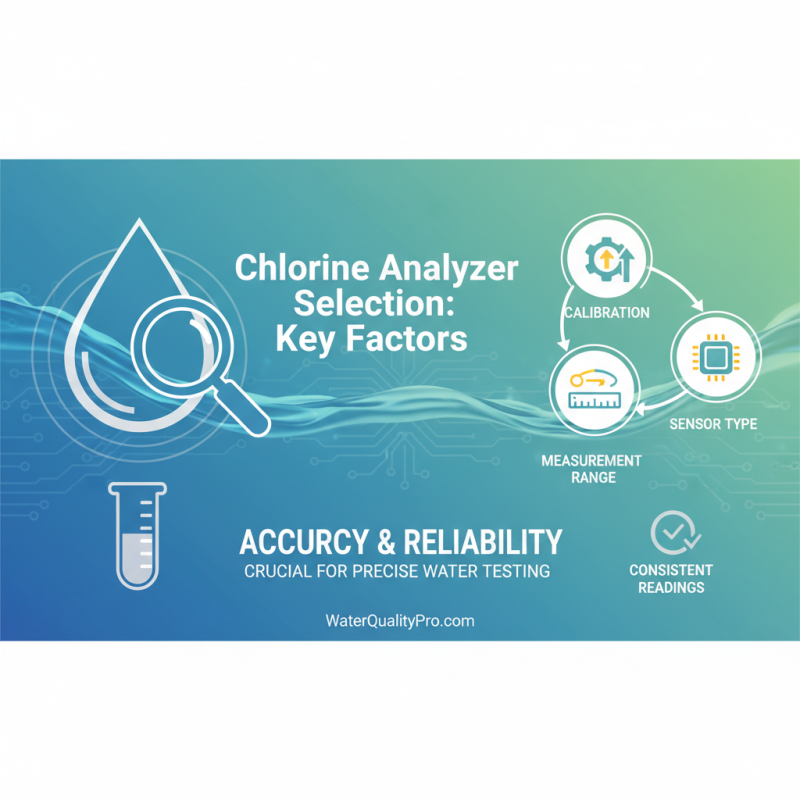
When selecting a chlorine analyser, the accuracy and reliability of different models are paramount. With the increasing demand for precise water testing, it is crucial to evaluate various factors that influence the performance of these devices. Key aspects to consider include the analyser’s calibration process, its measurement range, and the type of sensors used. An accurate indicator of a model’s reliability is its ability to provide consistent readings over time, even under varying environmental conditions.
Tips for ensuring you pick the right model include researching user reviews and expert comparisons, focusing on models that offer easy calibration and maintenance. Additionally, consider analysers that provide real-time data display and have built-in features for data logging. A unit that can connect with your existing data management system may also enhance your ability to monitor water quality effectively.
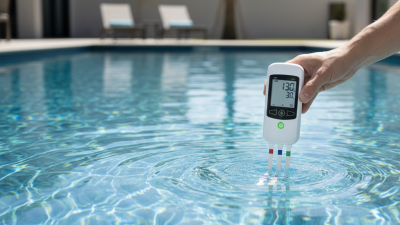
It's important to look for models that are designed for specific applications, whether for municipal water supply, swimming pools, or industrial processes. This ensures that the analyser can handle the chlorine levels and types relevant to your needs. Investing in a high-quality analyser can save time and reduce costs associated with inaccurate testing, ultimately contributing to better water quality management.
Budgeting for Your Chlorine Analyser: Costs and Maintenance
When considering a chlorine analyser for accurate water testing in 2025, budgeting is a crucial step that encompasses both initial purchase costs and ongoing maintenance expenses. According to recent industry reports, the average price range for a reliable chlorine analyser can vary significantly, from a few hundred dollars for basic models to several thousand dollars for more advanced systems equipped with cutting-edge technology. Organizations should be prepared not only to invest in the analyser itself but also in necessary accessories, such as calibration solutions and replacement parts, which can add up over time.
Maintenance costs are another vital aspect that should not be overlooked. Regular calibration and servicing are essential to ensure accurate performance, and many manufacturers recommend annual servicing. The cost of professional maintenance can account for around 15-20% of the initial purchase price annually. Furthermore, investing in user training can enhance the efficiency and accuracy of water testing processes, mitigating errors that could lead to costly consequences.
Tips:
1. Assess your water testing frequency and volume to determine the appropriate level of investment.
2. Consider total cost of ownership, including maintenance and operational costs, not just the initial price.
3. Stay informed about technological advancements in chlorine analysers to ensure your equipment remains relevant and efficient.





 Contact WhatsApp
 Contact Phone
 Contact Email