How to Choose the Best Water Oxygen Meter for Accurate Measurements?
In recent years, the importance of accurate water quality measurement has grown significantly. Water Oxygen Meters are vital tools in various industries, including aquaculture and environmental monitoring. According to a report by MarketsandMarkets, the global market for water quality testing is projected to reach $4.7 billion by 2025. This emphasizes the need for precise instruments to ensure the safety and health of aquatic life and human consumers.
Choosing the right Water Oxygen Meter can be challenging. Many devices offer different features, some with advanced technology while others stick to basic functionality. Not all meters provide the same level of accuracy, and users often face difficulties in understanding their specifications. A lack of familiarity can lead to improper instrument usage, resulting in unreliable data. It highlights the importance of knowledge in making informed decisions.
Understanding your specific needs is crucial when selecting a Water Oxygen Meter. Different applications may require different models. Factors such as temperature sensitivity and calibration frequency can significantly impact performance. Inadequate research can lead users to choose subpar devices, affecting their project outcomes. For instance, aquaculture practitioners may need more robust features than those used in simple lab tests.
Understanding the Importance of Water Oxygen Measurement
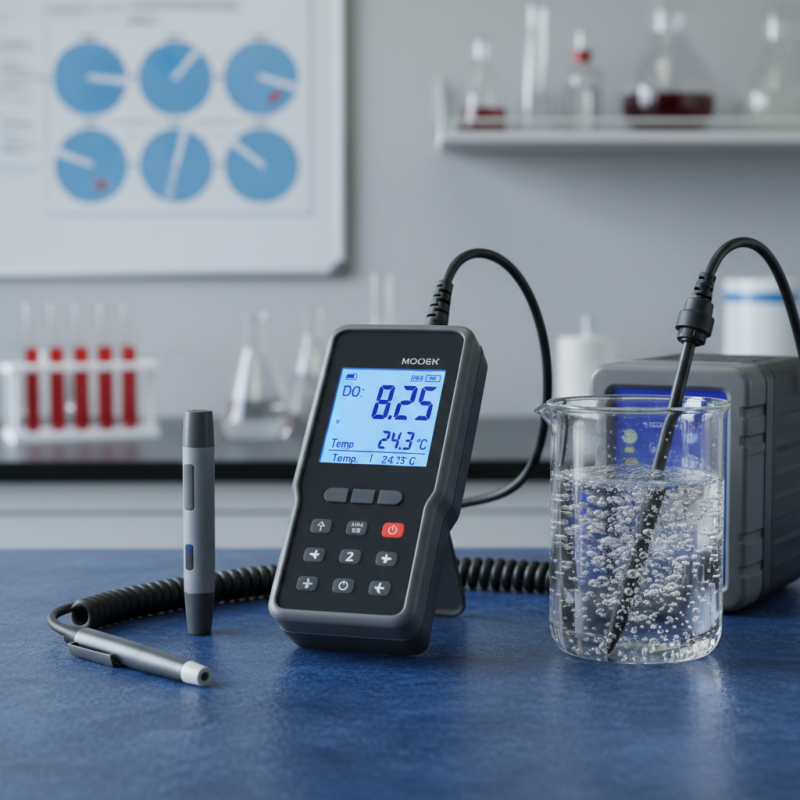
Measuring the dissolved oxygen in water is crucial for many reasons. It affects aquatic life, water quality, and even recreational activities. A well-balanced oxygen level supports fish populations and aids in the breakdown of organic materials. In ecosystems, oxygen is essential. Without it, fish and other organisms can suffer.
When selecting a water oxygen meter, it's vital to understand its accuracy. It should provide reliable data to reflect true water conditions. However, not all meters perform equally. Some may give inconsistent readings. This inconsistency can lead to misunderstandings about water quality. Relying on faulty measurements can have serious consequences for aquatic ecosystems.
In addition, calibration is often overlooked. Many people assume their meters are accurate. It's important to check and calibrate them regularly. Doing so ensures you get precise data. Missing this step can lead to incorrect assumptions. Therefore, taking time to understand how water oxygen levels fluctuate is essential for effective management and conservation.
How to Choose the Best Water Oxygen Meter for Accurate Measurements?
| Feature |
Description |
Importance |
| Measurement Range |
Indicates the lowest and highest oxygen levels the meter can measure. |
Critical for ensuring the meter can accurately measure the specific range of water being tested. |
| Accuracy |
The degree to which the measured value corresponds to the true value. |
High accuracy is essential for reliable data, especially in scientific studies. |
| Calibration |
The process of adjusting the meter to ensure it measures correctly. |
Regular calibration ensures ongoing accuracy of measurements. |
| Response Time |
The time it takes for the meter to provide a stable reading after being submerged. |
Faster response times are beneficial for dynamic environments. |
| Portability |
How easy it is to transport the meter for field measurements. |
Portable meters are necessary for on-site testing in various locations. |
| Data Storage |
The ability to save measurement data within the device. |
Helpful for tracking changes over time and for later analysis. |
Key Features to Look for in a Quality Water Oxygen Meter
When selecting a water oxygen meter, several key features are essential for accurate measurements. Accuracy is paramount. It's vital to choose a device that offers reliable readings. Look for meters that provide consistent results across various water conditions. Calibration options can also enhance accuracy over time. Keep in mind that even high-quality meters may occasionally show variations. Regular checks can help identify any inconsistencies.
Another important aspect is sensitivity. A good oxygen meter should detect low concentrations effectively. Some meters struggle in low-oxygen environments. Ensure that the chosen device can manage both high and low ranges. Portability is equally crucial. A compact design allows for easy transport during fieldwork. Some models are heavier and harder to manage. Think about how often you'll use the meter outside a lab setting.
Finally, consider the user interface. Clear displays and simple controls make measurements easier. Complex devices may overwhelm new users. Look for meters with intuitive menus. However, simplicity shouldn't sacrifice functionality. A balance between ease of use and advanced features is essential. Remember, not all features are beneficial. Evaluate which ones truly meet your specific needs.
Water Oxygen Meter Measurement Comparison
Types of Water Oxygen Meters and Their Applications
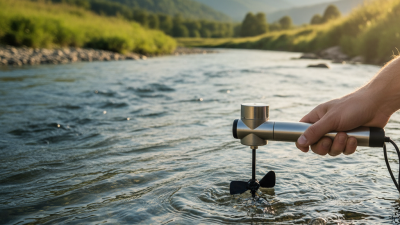
When selecting a water oxygen meter, understanding the different types is crucial. There are two main types: portable and stationary meters. Portable meters provide flexibility and convenience for fieldwork. They are perfect for measuring oxygen levels in diverse aquatic environments.
Tips: Always consider the measurement range. Some meters are more suited for freshwater while others are better for saline environments. This distinction can impact accuracy significantly.
Another factor to consider is the sensor technology.
Optical sensors and galvanic sensors have unique advantages. Optical sensors are often more accurate and have longer operational lives. Meanwhile, galvanic sensors may be more affordable but can be affected by contaminants in the water.
Tips: Read the specifications carefully. Understand the calibration requirements as they differ among models. Regular calibration is essential for consistent measurements. A failure to calibrate may lead to misleading results.
Tips for Ensuring Accurate Measurements with Your Meter
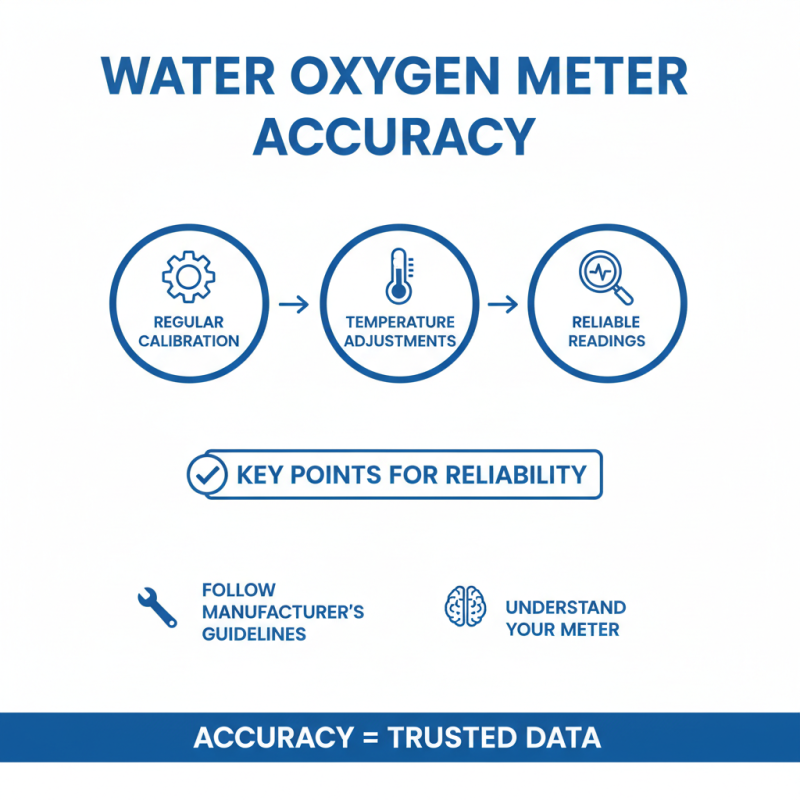
When choosing a water oxygen meter, accuracy is key. Ensure your device is calibrated regularly. Calibration checks are crucial for reliable readings. Follow the manufacturer's guidelines for proper techniques. Small errors in temperature adjustments can lead to bigger discrepancies. A thorough understanding of your specific meter can minimize mistakes.
Conduct tests in different water conditions. Variables, such as temperature and pressure, affect measurements. Consistent testing in similar conditions helps build trust in your readings. If results vary significantly, revisit your methodology. Don't hesitate to ask for clarification on technical issues. Even minor adjustments can lead to major improvements in accuracy.
Invest time in maintenance. Regularly clean the sensor and proper storage enhance performance. Consider keeping a logbook of readings to identify patterns. Reflections on past measurements can inform future practices. If results seem questionable, trust your instincts. It's better to double-check than to accept inaccurate data.
Maintaining and Calibrating Your Water Oxygen Meter for Optimal Use
Maintaining and calibrating your water oxygen meter is crucial for optimal performance. Regular checks ensure accurate readings. A device that is not calibrated can give misleading data. This could result in poor decision-making regarding water quality. It's vital to follow the manufacturer's instructions for calibration every few months.
Cleaning the sensor is also important. Residue can affect accuracy. Use soft cloths and appropriate cleaning solutions. Perform a simple probe inspection. Check for any physical damage or wear. This step can prevent large issues down the road. If readings seem inconsistent, reassess your calibration process.
Consider environmental factors. Temperature and pressure variations can impact measurements. Store your meter in a controlled environment when not in use. It’s also worth noting, if you consistently face calibration issues, it might be time to reflect on your measurement practices. Understand that experience teaches better maintenance habits. Regular self-checks can save you future headaches.





 Contact WhatsApp
 Contact Phone
 Contact Email