Top Tips for Choosing the Right Conductivity Meter?
Selecting the right conductivity meter can be challenging for many professionals. Dr. Emily Carson, a leading expert in environmental monitoring, once said, “Choosing the appropriate conductivity meter is crucial for accurate data collection.” This highlights the importance of informed decision-making in this field.
Conductivity meters measure the ability of a solution to conduct electricity. This capability provides insights into water quality, soil conditions, and chemical processes. Different models exist, each tailored to specific tasks. Some may overstate their performance claims. It’s essential to verify specifications against actual needs.
Consider factors such as accuracy, range, and ease of use. Are you measuring freshwater or seawater? Will you need a portable model? These decisions can significantly impact your results. Understanding these nuances ensures you select a meter that meets your requirements effectively. A well-chosen conductivity meter can provide consistent and reliable data for any project.
Understanding Conductivity and Its Importance in Measurements
Understanding conductivity is crucial for various applications, especially in environmental monitoring and industrial processes. Conductivity measures the ability of a solution to conduct electrical current, which is directly related to the concentration of ions in the solution. According to a study published in the Journal of Environmental Monitoring, a 10% increase in conductivity can indicate significant changes in water quality. This highlights the importance of accurate measurements.
When selecting a conductivity meter, consider its range and accuracy. A multi-range meter might be more versatile for different samples. Ensure the device has a temperature compensation feature. This can improve measurement reliability, especially in varying temperatures, as conductivity can fluctuate significantly with temperature changes.
Consistency in maintenance is essential. Regular calibration ensures accuracy in long-term use. Failing to calibrate can lead to misleading results, impacting decisions, especially in water treatment processes. Investing in a quality conductivity meter can prevent costly errors and enhance data reliability. Look for meters that feature user-friendly interfaces for better accessibility.
Key Features to Look for in a Conductivity Meter
When selecting a conductivity meter, consider several key features that enhance functionality. First, accuracy is paramount. Look for devices that provide ±1% accuracy or better for reliable readings. Recent industry reports indicate that meters with high precision often correlate with better water treatment outcomes. A device’s calibration process should be straightforward, ensuring consistent results over time.
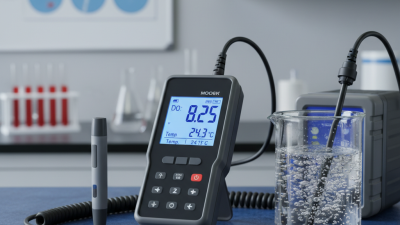
Portability can influence your choice as well. Many professionals prefer compact meters, especially for fieldwork. These models should be lightweight and battery-operated, making them easy to use on-site. You might also want a meter with a digital display for clear visibility. Features like backlighting can be crucial in low-light environments.
Another aspect to examine is the temperature compensation capability. Effective meters adjust readings based on temperature fluctuations, which can affect conductivity. Data suggests that devices with automatic temperature compensation yield more accurate results in varying environmental conditions. Evaluating these features will guide you in finding a sturdy and efficient conductivity meter that meets your specific needs.
Types of Conductivity Meters and Their Applications
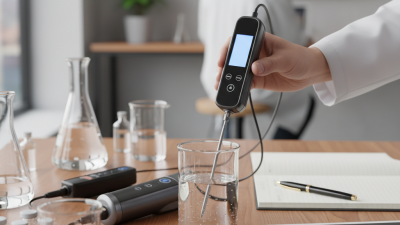
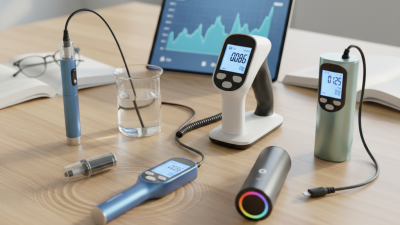
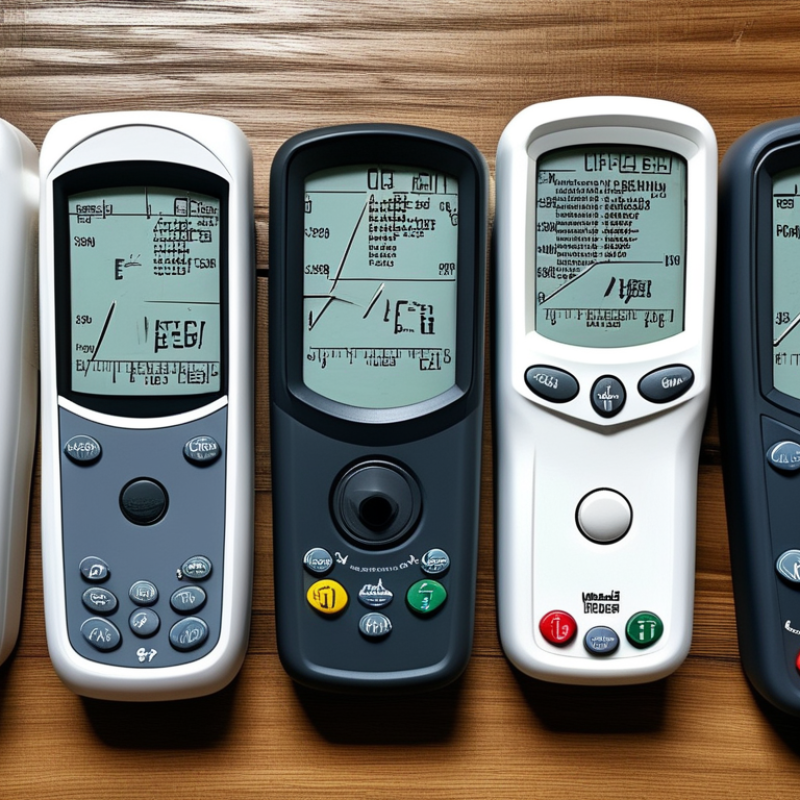
When choosing the right conductivity meter, it's vital to understand the different types available. There are handheld meters, benchtop models, and inline systems. Handheld meters are portable and great for field use. They are often used in environmental studies and quick testing. Benchtop meters offer greater accuracy and are typically used in laboratories. Inline systems are fixed installations for continuous monitoring in industrial processes.
Each type serves specific applications.
For example, handheld meters are ideal for testing water quality. They help assess pollutants in lakes or rivers. Benchtop models excel in chemistry labs, where precision is key. Inline systems are used in manufacturing to ensure constant quality control. Make sure you choose based on your specific needs.
Consider these tips when making your selection. Assess the required accuracy for your measurements. Think about the environment where you will use the meter. Portability may be crucial for fieldwork. Evaluate the ease of calibration and maintenance as well. An appropriate choice can enhance your testing efficiency significantly.
Factors to Consider for Accuracy and Calibration
When selecting a conductivity meter, accuracy and calibration are critical factors. The accuracy of a meter can significantly impact the results of your measurements. According to a report by the International Society of Electrochemistry, an error margin of merely 1% can lead to significant discrepancies in analytical applications. It highlights the necessity for a well-calibrated device to ensure reliable readings.
Calibration is not just a one-time process. Regular checks are essential, especially if the equipment is used in varying temperature conditions. The American Society for Testing and Materials recommends calibrating conductivity meters at least once per month, or more frequently if used in high-variability environments. Conductivity meters can drift due to usage and contamination, which can affect precision over time.
Keep in mind that user experience also influences performance. Even high-end meters may yield inaccurate readings if users don’t follow proper operating procedures. Understanding how to measure, clean, and store these devices is crucial. Regular training may be necessary to keep users informed about the best practices. Continuous education can bridge knowledge gaps and enhance data reliability. Choosing the right conductivity meter means prioritizing accurate calibration while building a solid understanding of the meter’s operational intricacies.
Maintenance Tips for Longevity of Your Conductivity Meter
When it comes to ensuring the longevity of your conductivity meter, maintenance is key. Regular calibration is crucial for accurate measurements. According to a study by the International Society of Automation, inaccurate readings can cost businesses up to 20% in operational inefficiencies. A routine check-up every few weeks can help maintain optimal performance.
For optimal maintenance, always clean the electrodes after use. Build-up can distort readings. Using a soft cloth and proper cleaning solutions can safeguard electrodes. Keep in mind that neglecting this step can lead to malfunctions, necessitating costly repairs. A report from the American Water Works Association states that proper maintenance can extend the lifespan of instrumentation by up to 30%.
Storing your meter in a protective case is another vital consideration. Extreme temperatures can damage delicate electronics. Ideally, meters should be kept at room temperature when not in use. This simple measure can help prevent the wear and tear that often occurs in extreme conditions. Regularly checking battery levels is also important. A weak battery can lead to unreliable data, undermining the overall effectiveness of your testing processes.





 Contact WhatsApp
 Contact Phone
 Contact Email