How to Choose the Right Oxygen Analyzer for Your Needs?
Choosing the right Oxygen Analyzer can significantly impact your work. These devices measure oxygen levels in various environments, from industrial settings to medical applications. With so many options available, it’s essential to identify your specific needs.
Think about where you will use the Oxygen Analyzer. Different industries require different functionalities. For example, a lab setting may need high accuracy, while outdoor use might prioritize portability. Don't overlook the technical features that matter most to you. Are you comfortable with digital interfaces, or do you prefer analog readings?
Selecting the right model involves a careful evaluation of both performance and usability. You might feel overwhelmed by choices or make impulsive decisions. It’s important to reflect on how you plan to integrate the device into your existing operations. A well-chosen Oxygen Analyzer can enhance safety and efficiency, but a mismatched one may lead to frustration.
Understanding the Different Types of Oxygen Analyzers Available
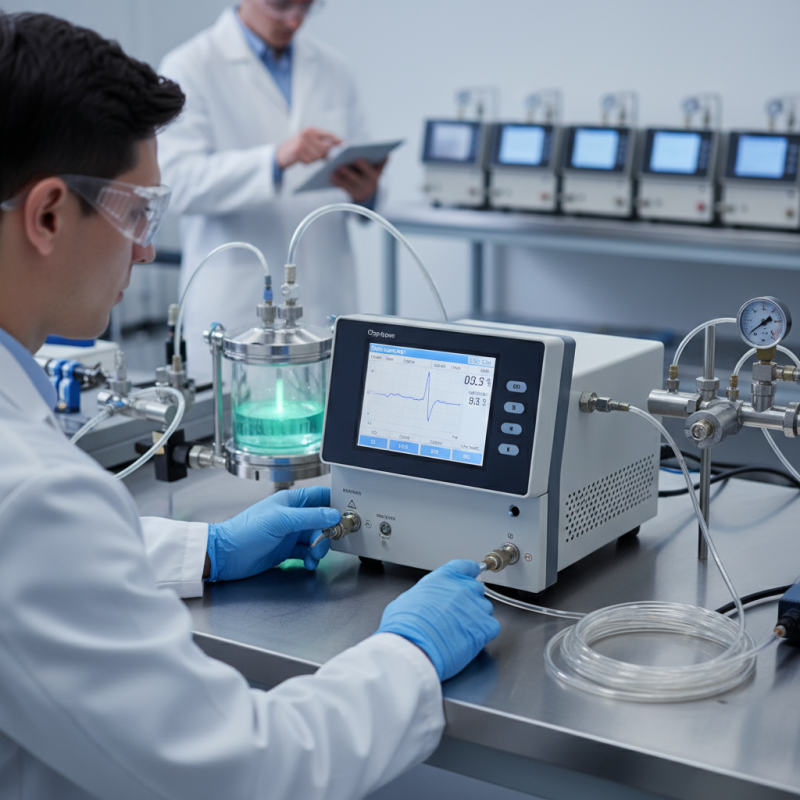
When selecting an oxygen analyzer, understanding the different types is crucial. There are various models available, each designed for specific applications. For example, electrochemical analyzers are popular for their portability. They provide quick readings, making them suitable for fieldwork. However, they may not be as accurate as other types in certain scenarios.
Another common type is the paramagnetic analyzer. These devices offer higher accuracy and stability. They work well in laboratory settings and industrial applications. Nonetheless, their complexity can be daunting. Users might struggle with calibration, leading to inconsistent results. It’s important to weigh the pros and cons before purchasing.
Lastly, infrared analyzers are effective for continuous monitoring. They're often used in large-scale processes. Yet, their cost can be a barrier for smaller operations. It's essential to consider not just the initial investment, but also maintenance needs. Understanding your specific requirements will help you make an informed decision.
Oxygen Analyzer Types and Their Features
Key Specifications to Consider When Selecting an Oxygen Analyzer
When choosing an oxygen analyzer, understanding key specifications is crucial.
Accuracy is a top priority. Many industry reports indicate a need for analyzers with an accuracy of ±0.1% or better.
This level ensures reliable measurements in various environments.
Additionally, response time affects results. A faster response (under 30 seconds) allows for real-time monitoring, which is essential in many applications.
Consider the measurement range as well. Some processes require detection from low ppb levels to higher concentrations. Reports suggest that an effective range would be 0-100% oxygen. This flexibility is vital for diverse operational settings.
Calibration frequency is another factor. Regulators recommend regular calibration to maintain accuracy. Analyzers that offer easy calibration options might save time and money.
Tips: Opt for devices with data logging features. This allows for better tracking and analysis over time. Ensure the analyzer can handle the environmental conditions specific to your application.
Not all devices perform well under extreme temperatures or humidity levels. Reflecting on these aspects could lead to smarter choices.
Applications of Oxygen Analyzers in Various Industries
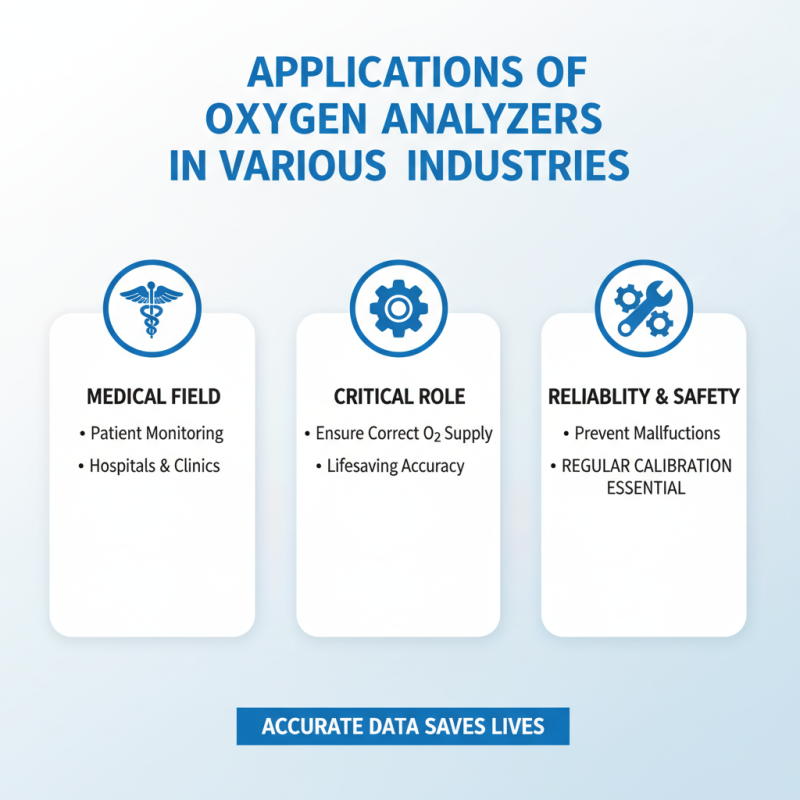
Oxygen analyzers play a critical role across various industries. In the medical field, they ensure that patients receive the right amount of oxygen. Hospitals and clinics rely on these devices for patient monitoring. Accurate readings can be lifesaving, but sometimes, devices may malfunction or yield inaccurate data. Regular calibration is essential.
In the food and beverage industry, oxygen analyzers help preserve product quality. They monitor oxygen levels in packaging, affecting shelf life. If not properly calibrated, food spoilage can occur. This impacts both safety and business profitability. Companies need to address these risks by implementing a consistent maintenance routine.
In the manufacturing sector, oxygen levels must be controlled during processes like welding and metal fabrication. Too much oxygen can lead to dangerous conditions. Analyzers can prevent accidents but may require frequent checks for reliability. It’s vital to train employees on their use, ensuring they understand potential pitfalls.
Evaluating Accuracy and Calibration Standards in Oxygen Analyzers
When selecting an oxygen analyzer, accuracy is paramount. According to a report by the International Society for Measurement and Control, accuracy in measurement can vary significantly among different analyzers. Some models report accuracy levels of ±0.1% O2, while others may only achieve ±2.0% O2 accuracy. This discrepancy can directly impact your results, especially in critical industries like healthcare and environmental monitoring.
Calibration standards are another crucial factor. Many analyzers require regular calibration to maintain their accuracy. The National Institute of Standards and Technology (NIST) emphasizes that periodic calibration is essential, as uncalibrated devices can drift over time and yield erroneous results. For instance, a piece of equipment might show stable readings initially but drift beyond acceptable limits if not regularly checked. Adopting recognized calibration protocols can help ensure data integrity and reliability.
Additionally, it’s important to remember that no analyzer is perfect. Environmental factors can affect measurements. Temperature fluctuations, humidity levels, and pressure changes may all lead to inaccuracies. Thus, understanding the limitations of your chosen device is vital for effective application. Continuous monitoring and adjustment are needed to compensate for these challenges. Paying attention to these details will guide you towards a more informed choice in oxygen analyzers.
How to Choose the Right Oxygen Analyzer for Your Needs? - Evaluating Accuracy and Calibration Standards in Oxygen Analyzers
| Model |
Accuracy (%) |
Calibration Standard |
Response Time (Seconds) |
Operating Range (% O2) |
| Model A |
±0.1 |
NIST Traceable |
5 |
0-25 |
| Model B |
±0.2 |
ISO 17025 |
6 |
0-30 |
| Model C |
±0.5 |
Manufacturer Standard |
8 |
0-25 |
| Model D |
±0.3 |
R&D Approved |
7 |
0-21 |
Cost-Benefit Analysis: Choosing the Right Oxygen Analyzer for Your Budget
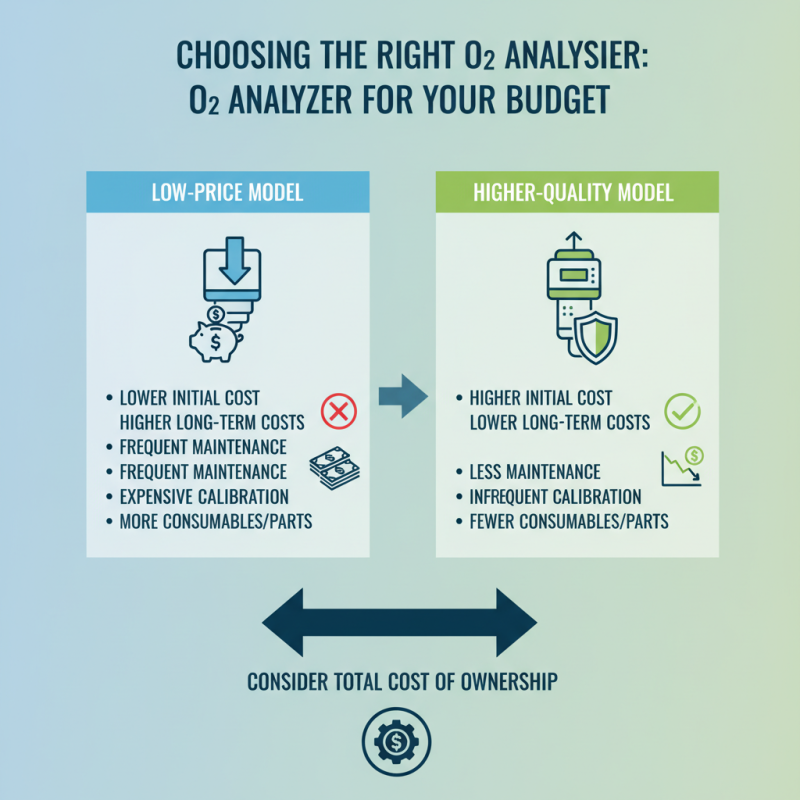
When selecting an oxygen analyzer, budget is a key factor. Often, people overlook the long-term costs. A low-priced model may save money upfront but could incur higher maintenance and calibration costs over time. Consider the total cost of ownership, including consumables and servicing. Some analyzers may require more frequent replacement parts, which can quickly add up.
It is also crucial to assess your specific needs. An analyzer with excessive features may be tempting, yet it could lead to wasted resources. Determine what measurements are essential for your operations. Investing in a reliable analyzer that fits your requirements is often more beneficial than a flashy, high-end model that provides unnecessary functions.
Purchasing from less recognized manufacturers might save money, but it can also lead to challenges. The availability of support and parts could be limited. Poor customer service can result in extended downtime. Make sure to do thorough research before making a decision. Balancing cost against functionality and support is vital for an effective long-term choice. Reflecting on these factors can help you identify the best analyzer for your budget.





 Contact WhatsApp
 Contact Phone
 Contact Email