• instagram (5)
  • 65e82dd72e92827394
  • 65e82dd7a74e048637
  • 65e82dd83039430728
Leave Your Message

What Types of Oxygen Testers Are Available?

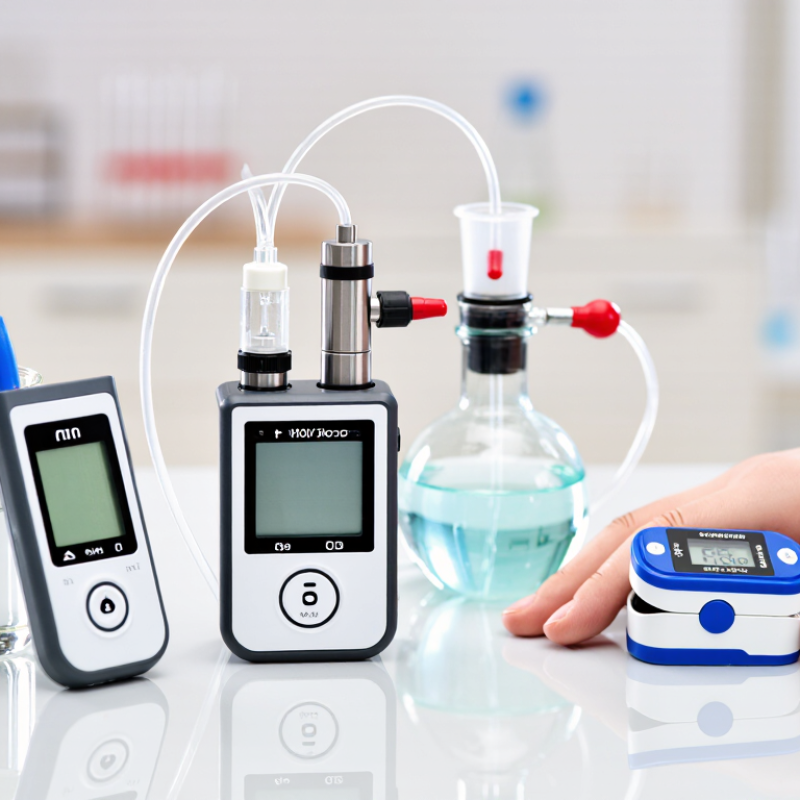
Choosing among Oxygen Testers starts with a simple question: what are you measuring? A handheld dissolved oxygen meter checks water, often beside a tank or stream. A gas oxygen analyzer measures oxygen concentration in air or process gases. A pulse oximeter estimates blood oxygen through a fingertip sensor; it does not measure oxygen in a room or liquid. Different tools. Different jobs.

Dr. John W. Severinghaus was a pioneer in blood-gas measurement. In his spirit, this guide uses a practical editorial rule—not a verbatim quotation: “Match the instrument to the sample, setting, and required accuracy.” That distinction matters. A probe lowered into a warm aquarium faces different conditions from a sensor monitoring a medical patient or an industrial gas line. Calibration, response time, humidity, and maintenance can all affect readings. Even a clear display can hide a poor measurement.

This overview compares the main Oxygen Testers by what they measure, how they work, and where they are useful. It also flags limits readers can overlook, including the difference between an oxygen reading and a broader assessment of safety or water quality. The categories sometimes overlap. That can be confusing, and a product label alone may not settle the choice. Start with the sample. Then check the instrument’s stated range and intended use.

What Types of Oxygen Testers Are Available?

Oxygen Testers Classified by What They Measure

Oxygen testers differ by the quantity they measure, so their readings are not interchangeable. Gas analyzers report oxygen concentration, usually as a percentage by volume. They are used to check process gases, ventilation, or breathing environments. OSHA defines an oxygen-deficient atmosphere as below 19.5% oxygen and an oxygen-enriched one as above 23.5% (29 CFR 1910.146). Those thresholds make clear why a concentration reading can matter in workplace checks. Units matter.

Dissolved-oxygen meters measure oxygen in water, commonly in milligrams per liter or as percent saturation. The USGS National Field Manual for the Collection of Water-Quality Data, chapter A6.2, describes field methods and notes that temperature and pressure affect readings. A probe dipped into a stream is measuring oxygen available in the water, not oxygen in the surrounding air. One easy mistake: comparing values without checking the units or measurement conditions.

Other instruments estimate oxygen saturation in blood, while combustion analyzers measure oxygen in exhaust gas to assess how efficiently fuel burns. A pulse oximeter provides an estimate, not a direct blood-gas measurement, as the FDA explains. Each instrument answers a different question. Check the sensor’s intended range, calibration requirements, and sample conditions before relying on a reading. Even careful users can overlook those details.

What Types of Oxygen Testers Are Available?

Oxygen testers are classified by the quantity they measure: gas oxygen concentration (% by volume), oxygen purity (%), dissolved oxygen in water (mg/L), oxygen partial pressure (e.g., mmHg), or blood oxygen saturation (SpO₂, %).

Example: This illustrative trend shows pulse oximeter readings over one minute. SpO₂ is an estimate of blood oxygen saturation; it is different from oxygen concentration in a gas or dissolved oxygen in water. Readings vary between people and with measurement conditions.

Dissolved Oxygen Meters for Water and Other Liquids

What Types of Oxygen Testers Are Available?

Dissolved Oxygen Meters for Water and Other Liquids

Dissolved oxygen meters measure oxygen held in water and other liquid samples. Common sensor types include optical and electrochemical models. Optical sensors estimate oxygen through changes in a light signal. They need less frequent sensor maintenance, though their caps still require replacement. Electrochemical sensors use a membrane and electrolyte. They can respond quickly, but often need cleaning and adequate sample movement. In still water, readings may drift if the sensor is not stirred as directed.

Meters come as portable units for field checks or benchtop instruments for controlled testing. They are used in aquaculture tanks, wastewater sampling, and liquid process checks. The right choice depends on sample conditions, required accuracy, and how often measurements are taken. Temperature affects oxygen readings, while salinity and pressure can matter too. A meter’s automatic compensation is useful, but it cannot fix poor calibration or careless sampling. That detail is easy to overlook.

Tips: Calibrate according to the instrument instructions, and rinse the probe between samples. Let readings stabilize before recording them. Check sensor condition regularly, especially after testing cloudy or residue-heavy liquids. Keep a simple log of temperature, calibration, and results; patterns can reveal errors. No meter is effortless. Calibration takes time, and results deserve a second look when they seem unusual.

Oxygen Gas Analyzers for Air and Process Streams

Oxygen gas analyzers measure oxygen in ambient air or within a process stream, but the right instrument depends on the gas and operating conditions. For room-air checks, portable electrochemical analyzers are practical and easy to carry. Their sensors can drift or age, so regular calibration and replacement checks matter. Paramagnetic analyzers are often used for continuous measurements in cleaner gas streams. They respond to oxygen’s magnetic properties and can provide stable readings when the sample is properly conditioned. Small details matter.

Process measurements may call for zirconia analyzers, especially in hot combustion exhaust. These can measure oxygen close to the process, though temperature, dust, and combustible gases may affect performance. Some installations draw a sample through tubing to an analyzer; others measure directly in the duct. A cold, damp sample line can distort results or cause delays. It is an easy problem to overlook. Before choosing a system, check the expected oxygen range, pressure, moisture, contaminants, response time, and maintenance access. Compare analyzer readings with a suitable reference during commissioning, then keep a record of calibration checks. No sensor is entirely hands-off, and a neat display does not guarantee a representative sample.

What Types of Oxygen Testers Are Available? - Oxygen Gas Analyzers for Air and Process Streams

Analyzer type Measurement principle Typical applications Advantages Key considerations
Galvanic electrochemical Oxygen diffuses through a membrane and produces an electrical current in a chemical cell. The signal is related to oxygen partial pressure. Portable checks of ambient air, confined spaces, and oxygen in many gas mixtures. Compact, generally simple to operate, and does not require an external polarization voltage. The sensor is consumed over time and requires replacement. Accuracy and service life depend on the gas, operating conditions, and sensor design.
Polarographic electrochemical An applied voltage drives an electrochemical reaction as oxygen passes through a sensor membrane; the resulting current indicates oxygen concentration. Portable and installed analyzers for air and gas mixtures, including applications that need percent-level oxygen measurement. Widely used sensor technology with compact analyzer options and straightforward measurement. Requires electrical power and sensor maintenance. Pressure, humidity, temperature, and sample contaminants can affect readings, depending on the design.
Paramagnetic Measures oxygen using its strong paramagnetic response in a magnetic field, compared with the other gases in the sample. Continuous process monitoring, combustion control, and oxygen measurement in relatively clean gas streams. Can provide stable, selective measurement without consuming an electrochemical sensor cell. Sample pressure, flow, temperature, vibration, and interfering magnetic gases may need to be considered. Sample conditioning may be required.
Zirconia (solid-state) A heated zirconium-oxide cell conducts oxygen ions. The voltage between reference and sample sides is used to determine oxygen partial pressure. Furnaces, boilers, kilns, and other high-temperature combustion or process applications. Suitable for continuous measurement in hot applications; some designs measure directly in the process stream. The sensor must operate at high temperature. Combustible gases can affect the reading because they may react with oxygen at the sensor; application-specific installation is important.
Tunable diode laser absorption spectroscopy (TDLAS) A tunable laser scans an oxygen absorption line, and the measured light absorption is used to determine oxygen concentration. Selected in-situ or extractive process applications, including gas streams where fast response or reduced sample handling is desirable. Optical measurement does not consume a wet-chemical sensor cell and can be configured for direct measurement across a process duct or pipe. Applicability depends on the instrument’s wavelength, optical path, gas composition, and process conditions. Dust, window fouling, pressure, and temperature may affect performance.

Note: Measurement range, accuracy, response time, and sample requirements vary by instrument. Confirm suitability for the gas composition, pressure, temperature, humidity, and required oxygen range before selecting an analyzer.

Oxygen Purity Testers for Medical and Industrial Gas Supplies

What Types of Oxygen Testers Are Available?
Oxygen Purity Testers for Medical and Industrial Gas Supplies

Oxygen purity testers help verify the oxygen concentration in a gas supply. Portable electrochemical analyzers are common for spot checks. A technician connects a sampling tube, waits for the reading to stabilize, and records the result. Simple to use. These instruments suit routine checks, but sensor condition and calibration can affect accuracy.

Paramagnetic analyzers measure oxygen by detecting its magnetic properties. They are often used where stable, precise readings are important, including industrial process monitoring and some laboratory settings. Some systems are designed for continuous measurement in a pipeline; others test a sample from a cylinder or outlet. The sampling setup matters: leaks, moisture, or changes in pressure can distort results.

Medical and industrial supplies do not always call for the same tester. A device should match the expected oxygen range, sampling method, and operating environment. Check its calibration status and follow the gas supplier’s testing procedure. A displayed number can look reassuring, yet still be wrong. That is easy to overlook. For critical decisions, confirm that the analyzer is suitable for the intended use and have questionable readings checked with a reliable method.

Pulse Oximeters for Estimating Blood Oxygen Saturation

Fingertip pulse oximeters estimate blood oxygen saturation, often shown as SpO₂, by passing light through a finger. They also display pulse rate. The reading appears within seconds, with no blood sample required. Small device. Useful estimate. Yet it cannot explain why oxygen levels may be low, and it does not replace a clinical assessment.

For a more reliable reading, sit still and warm your hands if they feel cold. Remove dark nail polish when possible, place the device securely, and wait for the numbers to settle. Movement, poor circulation, skin temperature, nail products, and skin pigmentation can affect accuracy. Readings may also differ from measurements taken by medical equipment. It is tempting to trust one number too much—an easy mistake. If a result seems unusual, repeat it after resting and check how you feel. Shortness of breath, confusion, or bluish lips need prompt medical attention, regardless of a reassuring display. A pulse oximeter is best treated as one clue, not the whole picture.