Dissolved Oxygen Sensors measure the oxygen available in water, a key signal of aquatic conditions and process performance. Low readings can warn of stress in a stream, fish tank, or wastewater basin. That number matters. NOAA’s Gulf of Mexico hypoxia assessments use oxygen below 2 milligrams per liter to map low-oxygen areas. This is a useful benchmark, not a universal safety line. Species, water temperature, salinity, and exposure time all affect what a reading means.
The U.S. Geological Survey’s National Field Manual for the Collection of Water-Quality Data describes field methods for measuring dissolved oxygen and emphasizes reliable measurement practices. Sensors generally use one of two approaches: electrochemical probes measure oxygen through an electrode reaction, while optical probes detect changes in light emitted by a sensing material. In both cases, the instrument converts a signal into a dissolved-oxygen reading, often reported in milligrams per liter or percent saturation. The display may look simple. The measurement is not. Temperature, pressure, salinity, fouling, and calibration can affect results, so readings need context and routine checks. A clean display can still hide a drifting probe. That is easy to overlook. Understanding how a sensor works helps users choose the right type, interpret its output, and recognize when a measurement deserves a second look.
A dissolved oxygen (DO) sensor measures the amount of oxygen gas dissolved in water. The result is commonly reported in milligrams per liter (mg/L), and some instruments also display percent saturation. These values indicate how much oxygen is available in the water, rather than how much oxygen is in the surrounding air. Fish, insects, and beneficial microbes all depend on this supply.
A probe measures conditions only where its sensing tip is placed. In a pond, a reading near the surface may differ from one taken close to the muddy bottom. Not the whole picture. Many sensors use an optical method: oxygen affects light emitted by a sensing layer, and the instrument calculates a concentration from that change. Electrochemical sensors measure an electrical response as oxygen passes through a membrane; some require water movement or stirring for stable readings. Temperature, salinity, and pressure can also influence the result, so compensation and routine calibration matter. A single number can still mislead. Note the sampling depth and time, and check whether nearby bubbles, stagnant water, or a dirty probe could have affected the measurement. Location matters.
Dissolved oxygen (DO) is the oxygen available in water for fish, insects, and other aquatic life. When levels fall, animals may become stressed or leave, while sensitive species can disappear. The USGS notes that concentrations below 5 milligrams per liter can stress aquatic organisms, though tolerance varies by species and conditions. Small changes matter.
Low oxygen often develops when excess nutrients feed algae. When algae die, microbes consume oxygen as they break them down. NOAA measured a 6,705-square-mile hypoxic zone in the Gulf of Mexico in 2024, one of the largest since monitoring began in 1985. Hypoxic water generally contains less than 2 milligrams of oxygen per liter. The impact is not abstract: bottom-dwelling animals may have less room to survive.
A dissolved oxygen sensor helps reveal these changes over time. It can show overnight drops, daily swings, or a gradual decline after a bloom. Warm water holds less oxygen, so temperature matters when interpreting a reading. One spot check can still give false comfort. Conditions shift by depth and hour; a sensor’s reading needs context, and sensors need regular checks to stay dependable.
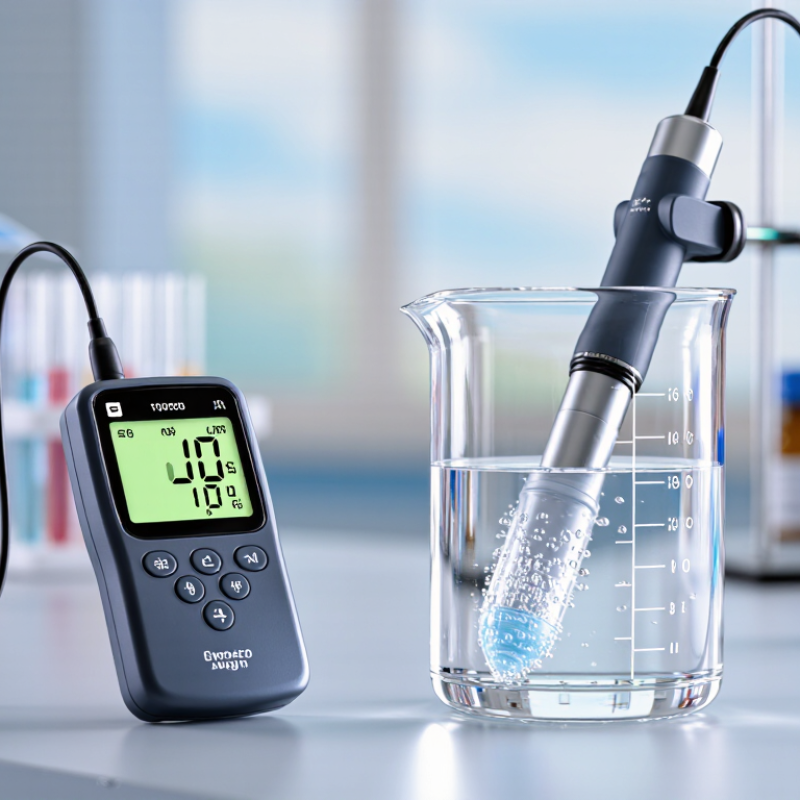
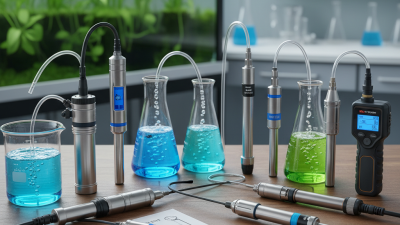
A dissolved oxygen sensor is built around a probe that meets the water, a sensing element, and electronics that turn a chemical or optical response into a reading. The probe’s outer body protects delicate parts from splashes and knocks. In a field sample, the sensing tip may sit just below the surface, where bubbles can cling and distort measurements.
The sensing element depends on the sensor type. In an electrochemical design, oxygen passes through a permeable membrane and reacts with an electrolyte at an electrode. This reaction produces a measurable electrical signal. An optical design uses a light-sensitive coating: oxygen changes how the coating emits light after illumination. No electrolyte is needed. Both designs need a clean sensing surface, though cleaning methods differ. Small details matter.
Many sensors also include a temperature sensor, since oxygen readings change with water temperature. A cable carries signals to a meter or controller, which may apply temperature and calibration corrections. Some systems add pressure or salinity compensation. These features help, but they do not replace careful setup. A loose membrane, worn optical cap, or trapped air bubble can skew a result. It is easy to blame the instrument; checking the probe first is wiser.
A dissolved oxygen sensor does not “see” oxygen; it measures a response caused by oxygen molecules. In a membrane-covered electrochemical probe, oxygen diffuses through a thin film into an electrolyte. At the cathode, oxygen is reduced, producing a current that changes with its concentration. The meter converts that signal into milligrams per liter or percent saturation. Small details matter. A scratched membrane, trapped bubble, or dirty probe can distort readings. In field use, inspect the sensing tip and wait for the reading to stabilize before recording it.
Optical probes work differently. A light pulse excites a dye, and oxygen reduces the dye’s emitted light and shortens its decay time. The instrument interprets that change, then applies calibration and temperature compensation. The USGS Water Science School’s freshwater saturation data show about 9.1 mg/L at 20°C and 7.6 mg/L at 30°C, at sea-level pressure. That difference gives a raw reading important context. Salinity and pressure also affect saturation, so reliable measurements account for them or record them alongside dissolved oxygen. I still treat calibration as a judgment, not a ritual: a steady display can conceal a fouled sensor.
Common dissolved-oxygen sensors use electrochemical or optical methods. Electrochemical probes include polarographic and galvanic designs. Oxygen crosses a membrane and reacts at an electrode, producing a measurable current. Polarographic sensors need applied voltage and may require warm-up. Galvanic sensors generate their own voltage. Both consume oxygen near the sensor, so water movement and membrane condition can affect readings. In still water, readings may lag.
Optical sensors use a dye whose light emission changes when oxygen is present. The instrument measures that change, often through luminescence lifetime or phase shift. They generally need less stirring and avoid oxygen consumption, but their sensing caps still age. No method is maintenance-free. USGS DOTABLES shows that air-saturated freshwater at sea level holds about 9.1 mg/L oxygen at 20°C, compared with about 14.6 mg/L at 0°C. That difference makes temperature compensation essential; salinity and pressure matter too. A field reading can look precise and still be wrong if the probe is fouled, poorly calibrated, or placed in stagnant water. Small details matter. A quick check against a second measurement is useful, though it cannot replace careful calibration.
| Sensor type | Measurement method | How the sensor works | Key considerations | Common applications |
|---|---|---|---|---|
| Galvanic electrochemical | Amperometric measurement of oxygen-reduction current | Dissolved oxygen passes through a gas-permeable membrane and is reduced at the cathode. The resulting current is related to oxygen concentration. Dissimilar electrodes generate the reaction without an externally applied polarization voltage. | The electrolyte and membrane require periodic inspection or replacement. Oxygen is consumed at the sensing surface, so adequate sample movement is generally needed to limit measurement error. | Water-quality monitoring, aquaculture, and field measurements where a conventional membrane sensor is suitable |
| Polarographic electrochemical | Amperometric measurement with an applied polarization voltage | Oxygen diffuses through a membrane and is reduced at the cathode while an applied voltage drives the electrochemical reaction. The measured current changes with the oxygen reaching the electrode. | Typically requires a polarization or warm-up period after power-up. Like other membrane electrochemical sensors, it needs routine membrane and electrolyte maintenance and is affected by sample flow. | Laboratory and process measurements in which an amperometric membrane sensor is appropriate |
| Optical luminescence | Optical measurement of oxygen-dependent luminescence quenching | A light source excites a luminescent sensing layer. Oxygen reduces the emitted light’s intensity or changes its decay time; the instrument uses that change to determine dissolved oxygen. | Does not consume oxygen during measurement and is generally less dependent on sample flow than amperometric sensors. The optical sensing surface still needs cleaning and may need periodic replacement or calibration checks. | Environmental monitoring, wastewater treatment, aquaculture, and applications where low-flow measurements are useful |
| Membrane electrode (measurement configuration) | Oxygen diffuses through a membrane before electrochemical detection | A selective membrane separates the sample from the electrode and electrolyte while allowing oxygen to diffuse through. The electrode reaction produces a signal that can be converted to concentration. | “Membrane electrode” describes a sensor construction rather than a separate electrochemical principle; galvanic and polarographic sensors commonly use this design. Membrane condition, temperature, salinity, and pressure can affect readings or compensation requirements. | Portable and in-situ measurements using membrane-based electrochemical instruments |
| Typical reported measurements | Concentration and percent saturation | Results are commonly reported as milligrams per liter (mg/L) or as percent saturation. Percent saturation compares the measured oxygen level with the equilibrium concentration under the stated temperature, pressure, and salinity conditions. | Temperature affects oxygen solubility. Accurate results may require temperature compensation and, depending on the instrument and sample, pressure and salinity compensation. Calibration and sampling procedures should follow the instrument’s instructions. | Freshwater and marine monitoring, wastewater process control, laboratory testing, and aquaculture |
Note: Sensor performance, maintenance intervals, and compensation features vary by instrument and measurement conditions.