5 Essential Tips for Choosing the Right TDS Measuring Device for Your Needs
When it comes to maintaining the quality of water in various environments, selecting the right TDS measuring device is crucial. Total Dissolved Solids (TDS) levels can significantly affect not only the taste and clarity of drinking water but also the health of aquatic life in tanks or ecosystems. As such, investing in a reliable TDS measuring device is paramount for both individuals and industries alike. With a variety of options available on the market, understanding what features to prioritize can help you make an informed decision that meets your specific needs.
In this guide, we will explore five essential tips to consider when choosing a TDS measuring device. These tips will cover aspects such as accuracy, ease of use, and the range of measurement, ensuring that you have all the pertinent information to select a device that best fits your requirements. Whether you are a home gardener monitoring your hydroponic setup or a professional looking for accurate water analysis, being equipped with the right TDS measuring device will provide you with the confidence needed to manage your water quality effectively.
Understanding Total Dissolved Solids (TDS) and Its Importance
Total Dissolved Solids (TDS) refer to the total concentration of dissolved substances in water, including minerals, salts, and organic matter. Understanding TDS is crucial for various applications, from residential water quality assessments to industrial processes. High TDS levels can indicate poor water quality, leading to potential health risks and affecting taste, while low TDS levels can suggest a lack of essential minerals. Monitoring TDS helps consumers and industries ensure that water meets safety standards and is adequate for their specific needs.
In environments such as aquariums, hydroponics, and drinking water systems, maintaining appropriate TDS levels is vital. For instance, plants and aquatic life thrive within particular TDS ranges, and deviations can lead to negative outcomes. Additionally, in drinking water, TDS can influence palatability and mineral content, making it an essential factor for those who seek both safety and taste in their water sources. Understanding TDS enables users to make informed decisions when selecting water treatment solutions, ensuring both quality and compliance with health regulations.
Types of TDS Measuring Devices Available in the Market
When selecting a TDS (Total Dissolved Solids) measuring device, it’s crucial to understand the various types available on the market to find the one that best suits your specific needs.
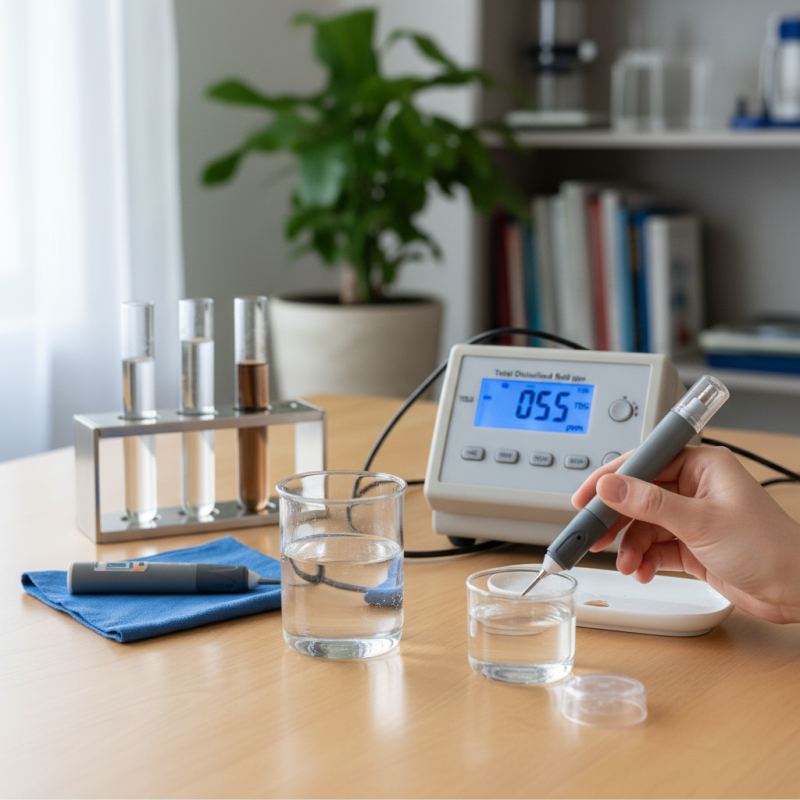
One of the most common types is the handheld TDS meter, favored for its portability and ease of use. These devices typically feature a digital display and are ideal for on-the-go measurements, making them popular among hobbyists and professionals who need quick assessments of water quality in different locations.
Another option is the pen-style TDS tester, which resembles a writing instrument and is compact enough to fit into a pocket. These testers are user-friendly, providing real-time readings with just a dip into the water sample. For more extensive applications, such as in laboratories or continuous monitoring systems, there are inline TDS meters. These devices are installed directly into water lines, allowing for constant tracking of water quality, making them essential for industrial settings or aquaculture where maintaining specific TDS levels is critical.
Lastly, some advanced models integrate additional features like temperature compensation and the ability to log data over time. When considering the right TDS measuring device, evaluate your primary usage, whether it's for casual use or professional applications, and choose accordingly to ensure accurate and reliable measurements.
Key Features to Look for in a TDS Meter
When selecting a Total Dissolved Solids (TDS) measuring device, it's crucial to consider its key features to ensure it meets your specific needs. One of the primary characteristics to look for is measurement range. According to industry reports, the optimal TDS meters have a range of 0 to 9990 ppm (parts per million), allowing them to effectively measure both low and high levels of dissolved solids in various water sources. This flexibility proves essential for diverse applications, from aquariums and hydroponics to drinking water testing.
Another important feature is the level of accuracy and calibration options. Studies indicate that TDS meters with an accuracy of ±2% are generally considered reliable for most domestic and industrial applications. Additionally, devices that offer automatic calibration can save significant time and ensure consistent results. Features like temperature compensation are also vital, as they help provide precise readings that account for temperature variations, which can significantly affect TDS levels. According to the Water Quality Association, accurate TDS measurements are essential for maintaining optimal water quality and ensuring the safety of drinking water, thus underlining the importance of choosing the right device tailored to specific requirements.
5 Essential Tips for Choosing the Right TDS Measuring Device for Your Needs - Key Features to Look for in a TDS Meter
| Feature |
Description |
Importance |
| Measurement Range |
The TDS meter should offer a wide measurement range to cover various water types. |
Essential for different applications. |
| Accuracy |
Look for a meter with high accuracy ratings for reliable results. |
Critical for making informed decisions. |
| Durability |
Choose a model made of durable materials, especially if used in fieldwork. |
Important for long-term use. |
| Display |
Ensure the display is easy to read and has backlighting for low-light conditions. |
Enhances user experience. |
| Calibration |
Ability to calibrate easily ensures ongoing accuracy over time. |
Vital for consistent performance. |
How to Determine the Right TDS Measurement Range for Your Needs
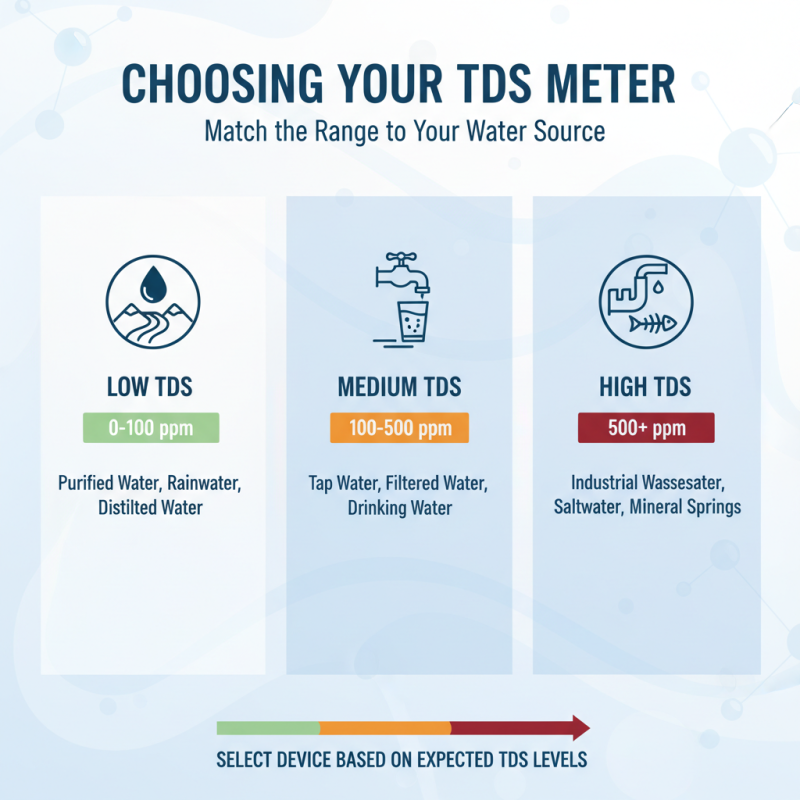
When selecting the right TDS (Total Dissolved Solids) measuring device, it's crucial to determine the appropriate TDS measurement range based on your specific needs. The TDS measurement, typically expressed in parts per million (ppm), gives you insights into the concentration of dissolved substances in water, which can vary widely depending on the source. This means understanding the expected TDS levels in your water sample will guide you in choosing a device that accurately meets your measurement requirements.
For instance, if you're working with tap water or drinking water, the typical TDS levels may range from 100 to 500 ppm. However, if you're testing water from sources like aquariums, hydroponics, or industrial applications, the TDS can significantly differ, sometimes exceeding 1,000 ppm or more. Choosing a device with an appropriate measurement range ensures not just accuracy but also reliability in your readings. Therefore, assessing the specific application, understanding local water conditions, and anticipating the range of dissolved solids present are essential steps before making a purchase. Doing so will ensure you select a device that aligns perfectly with your requirements, ultimately leading to more informed decisions regarding water quality management.
Budget Considerations: Choosing a TDS Meter Without Compromising Quality
When selecting a TDS (Total Dissolved Solids) measuring device, budget considerations are a crucial factor that can significantly influence your purchasing decision. According to industry reports, the global TDS meter market is projected to reach approximately $300 million by 2027, reflecting a growing demand for reliable water quality testing instruments. Therefore, it's vital to find a balance between affordability and quality when choosing a TDS meter. While lower-priced options may be enticing, they often compromise on accuracy and durability, which can lead to unreliable readings and costly errors in the long run.
To ensure you're making a wise investment, focus on features that affect performance rather than opting for the cheapest available option. Look for devices that offer a solid build quality, ease of use, and comprehensive warranty terms. Industry experts recommend choosing a device with a measurement range of at least 0-9990 ppm for versatility, as this accommodates both standard drinking water assessments and more demanding applications, such as aquaculture or hydroponics. Furthermore, a study by the Water Quality Association highlights that investing in a mid-range TDS meter can provide more consistent results and longevity, ultimately proving to be more cost-effective over time compared to budget models that may require frequent replacements.
5 Essential Tips for Choosing the Right TDS Measuring Device for Your Needs
This bar chart illustrates the average ratings of different TDS meters based on their price range and quality. It's crucial to balance budget and quality when selecting the right device for your needs.





 Contact WhatsApp
 Contact Phone
 Contact Email