10 Essential Tips for Choosing a Tds Measuring Device for Water Quality Monitoring?
Choosing the right TDS measuring device for water quality monitoring is crucial. According to Dr. Emily Hart, an expert in water quality analysis, “A reliable TDS measuring device can make a significant difference in managing water safety.” Understanding the importance of Total Dissolved Solids (TDS) is vital for various applications. It affects everything from drinking water quality to agricultural irrigation practices.
As we delve into this topic, it's essential to consider the specific needs of your application. Not all TDS measuring devices are created equal. Some may perform exceptionally well in specific conditions but fail in others. Additionally, factors like calibration, range, and even user interface play a big role in your choice.
Investing time in selecting the right device can yield long-term benefits. However, many users often overlook critical features and settle for less reliable models. This can lead to inaccurate readings and potential health risks. Reflecting on these concerns is necessary. Make informed choices to ensure safe and effective water management.
Understanding TDS: What It Is and Why It Matters in Water Quality
Total Dissolved Solids (TDS) refers to the total concentration of dissolved substances in water. These include salts, minerals, and organic matter. TDS affects water's taste, quality, and safety. According to the World Health Organization, acceptable TDS levels should be between 300 mg/L and 600 mg/L for drinking water. Higher levels can pose health risks and impact aquatic life.
Monitoring TDS is crucial for various applications. In agriculture, high TDS can harm crops by reducing water absorption. A study by the Environmental Protection Agency indicates that water with TDS levels above 1,000 mg/L can be unsuitable for irrigation. Public water systems also risk exceeding TDS limits, necessitating regular testing. This underscores the importance of selecting reliable TDS measuring devices for water quality monitoring.
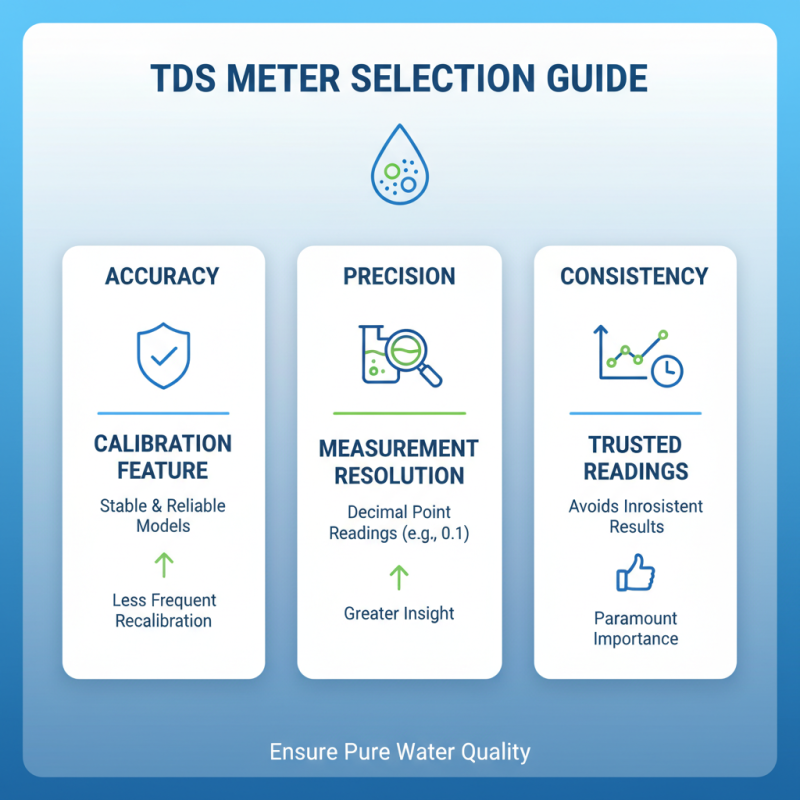
Selecting the right device involves understanding its calibration and accuracy. Some instruments may provide readings that are inconsistent over time. Users should pay attention to maintenance requirements. Many devices need regular cleaning and calibration checks. It's essential to invest time in learning how your chosen device operates. This reflection can lead to better water quality management practices.
Types of TDS Measuring Devices: Choosing the Right One for Your Needs
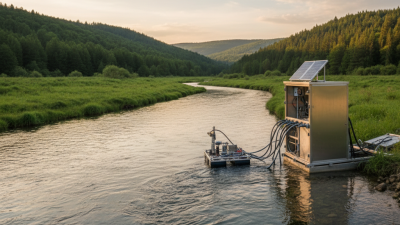
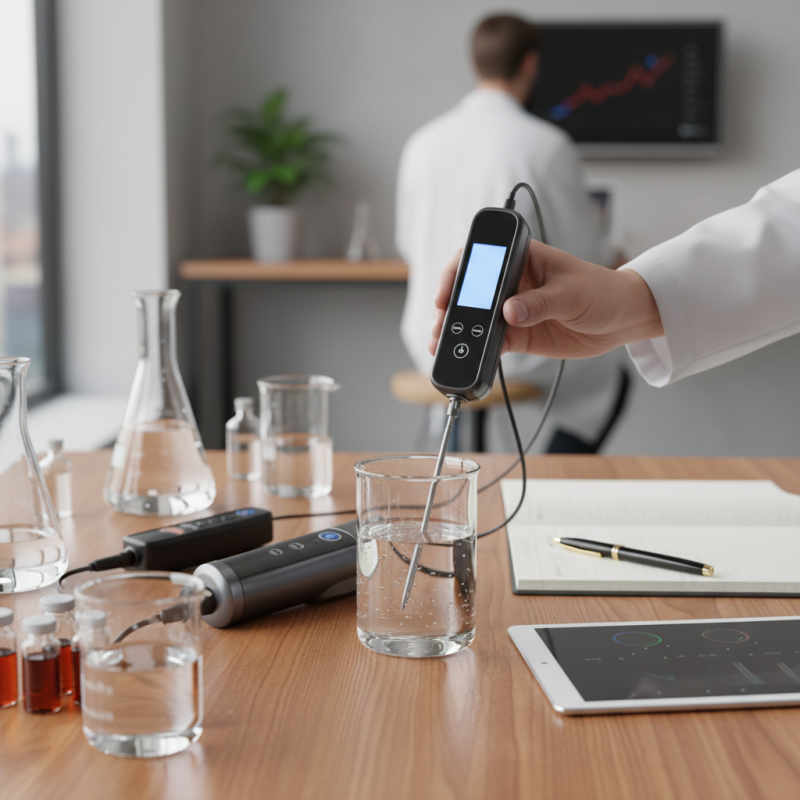
When selecting a TDS measuring device, understanding the types available is crucial. Various devices serve different purposes. Some are handheld, portable, and designed for quick tests. Others function as inline monitors and are suited for continuous water quality assessment. Each type has unique features and may cater to specific needs.
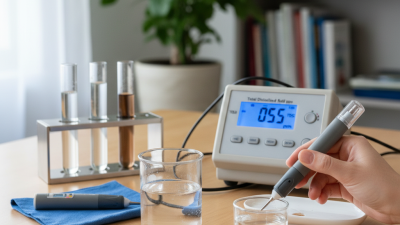
Handheld testers are user-friendly and often offer immediate readings. They are ideal for travelers or for quick checks at home. Inline monitors, however, provide real-time data and are often used in aquariums or water treatment facilities. It's essential to consider factors like accuracy, display size, and battery life when choosing.
Each device type comes with its pros and cons. Portability might mean sacrificing some precision. An inline monitor may require more installation effort. Sometimes, users can overlook calibration needs. Thinking critically about how you’ll use the device can help avoid potential pitfalls. Choosing the right TDS measuring device can significantly impact your water quality monitoring experience.
Water Quality TDS Measurements: Comparison of Different Devices
Calibration and Maintenance: Ensuring Reliable TDS Measurements
Calibration is crucial for accurate TDS measurements. Regularly calibrating your device ensures reliable data for water quality monitoring. According to a recent industry report, improper calibration can lead to a 20% deviation in readings. This variation can significantly affect decisions concerning water safety and treatment.
One essential tip is to use a calibration solution that closely matches your expected TDS levels. Solutions should be no more than 1% off the target concentration. Additionally, consider using calibration solutions from reputable sources to minimize errors.
Maintenance is equally vital. Regular cleaning of the sensor tip helps prevent contamination. A study found that unmaintained devices could show a 15% increase in faulty readings. Remember to follow the manufacturer’s instructions for maintenance intervals. Frequent checks can ensure your device remains in top shape.
Investing time in calibration and maintenance will enhance your overall water quality monitoring efforts. This careful approach can help identify issues before they escalate, leading to more reliable water safety assessments.
10 Essential Tips for Choosing a TDS Measuring Device for Water Quality Monitoring
| Tip Number |
Tip Description |
Importance Level |
Frequency of Calibration |
| 1 |
Check the device's accuracy and sensitivity specifications. |
High |
Monthly |
| 2 |
Consider the temperature compensation features. |
Medium |
Every 2 months |
| 3 |
Look for user-friendly interfaces and display options. |
Medium |
As needed |
| 4 |
Evaluate the range of TDS readings the device can measure. |
High |
Quarterly |
| 5 |
Research the warranty and customer support available. |
Medium |
N/A |
| 6 |
Assess the battery life and charging options. |
High |
Monthly |
| 7 |
Ensure it meets local environmental and safety standards. |
High |
N/A |
| 8 |
Consider portability for field testing and easy transport. |
Medium |
N/A |
| 9 |
Examine the depth of research and reviews from other users. |
Medium |
N/A |
| 10 |
Review the calibration procedure provided in the manual. |
High |
Before each use |
Budget Considerations: Finding Affordable Yet Effective TDS Meters
When selecting a TDS measuring device, budget considerations play a crucial role. Many users seek affordable options, yet effectiveness remains vital. Data from various market reports indicates that effective TDS meters can range from
$10 to $200. This broad price range may confuse buyers looking for the best choice within their budget.
Inexpensive models often lack durability and accuracy. Reports show that lower-priced meters can give misleading readings. A study from the Water Quality Association highlights that devices under $25 frequently misinterpret TDS levels by a significant margin. Consequently, spending a little more could ensure reliable monitoring of water quality.
Investing wisely can yield long-term benefits. A decent TDS meter might cost more initially but can prevent costly water quality issues down the line. Customers are encouraged to consider features over price alone, like measurement range and calibration options. Balancing budget and effectiveness is a delicate act, but it’s essential for accurate water quality monitoring.





 Contact WhatsApp
 Contact Phone
 Contact Email