10 Essential Tips for Using a Chlorophyll Tester Effectively?
Chlorophyll testers are pivotal tools in modern agriculture. These devices measure chlorophyll levels in plants, helping farmers maximize crop yield. According to a report by the International Society for Plant Pathology, proper chlorophyll management can improve productivity by up to 25%. However, many users overlook optimal usage techniques.
Dr. Emily Green, an expert in agronomy, emphasizes the significance of understanding your equipment. She states, "A well-calibrated Chlorophyll Tester is essential for accurate readings." Misuse can lead to inaccurate data and poor decisions. Emphasis on calibration and regular maintenance is crucial.
Understanding environmental factors is also key. Light conditions and soil health can affect readings. Without attention to these details, results may mislead. Farmers must take time to learn their tester. Successful usage can transform yield by making informed choices based on accurate data. A Chlorophyll Tester is more than a gadget; it's a gateway to enhanced agriculture.
Understanding Chlorophyll Testers: A Comprehensive Overview
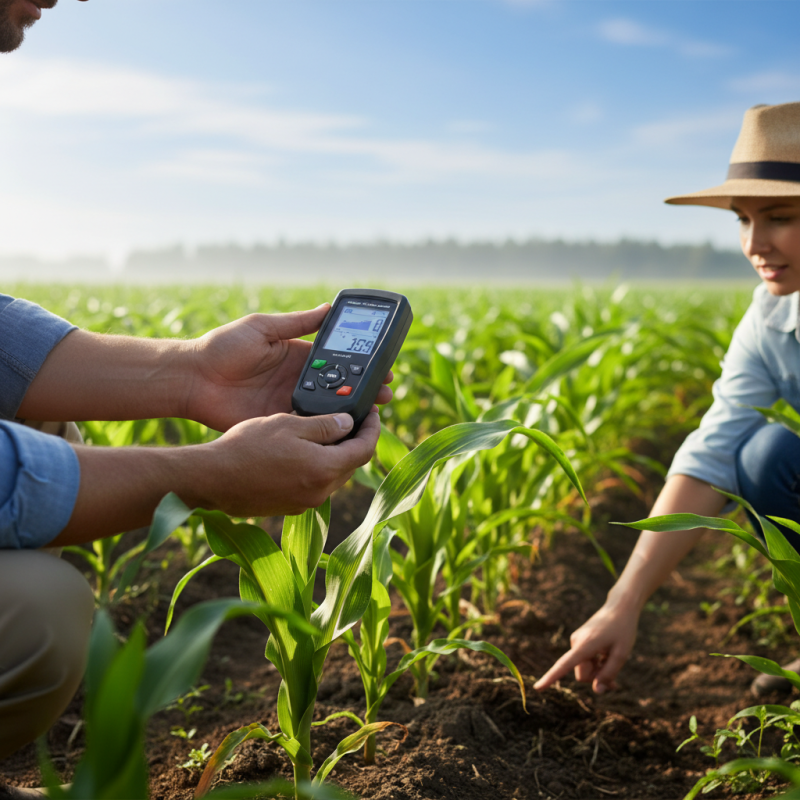
Chlorophyll testers are essential tools in agricultural science. These devices measure chlorophyll concentration, which indicates plant health. A comprehensive overview of their functionality reveals their importance in understanding plant growth. Studies show that chlorophyll levels often correlate with crop yield. For instance, a report from the International Journal of Plant Sciences suggests that higher chlorophyll content can lead to a 15% increase in yields.
Effective use of chlorophyll testers requires knowledge. Calibration is crucial; improper calibration often leads to inaccurate readings. One common mistake is not adjusting for environmental factors. Temperature and light can impact the readings significantly. Awareness of these variables can enhance data accuracy. Furthermore, it's vital to take multiple readings from various plant parts. A single measurement might not represent the whole plant's health.
Chlorophyll testers can also highlight deficiencies in nutrient availability. However, relying solely on these readings can be misleading. In some cases, chlorophyll may appear adequate, but other factors could hinder growth. This complexity necessitates a holistic approach to plant care. Understanding tester limitations is key to effective management. Balancing data interpretation with real-world observations can lead to better agricultural outcomes.
Choosing the Right Chlorophyll Tester for Your Needs
Choosing the right chlorophyll tester involves several key considerations. Start by understanding your specific needs. Are you a researcher, farmer, or hobbyist? Each role might require different features. A portable model is handy for fieldwork, while a more advanced one may suit lab environments. The accuracy of measurements is vital. Look for testers that provide reliable data to help you make informed decisions.
Another aspect to think about is user-friendliness. Some devices have complicated interfaces that can frustrate beginners. Choose one that offers clear instructions and intuitive controls. Calibration features are essential too. A tester that requires frequent calibration can be tedious, yet an easy-to-maintain option makes your work smoother.
Budget is always a factor. Higher-priced models often promise precision but may not be necessary for smaller projects. Balance your financial limits with the features you deem essential. Seek feedback from user reviews, but remember to weigh both positive and negative comments. Some features might not perform as expected, leading to unmet expectations. Aim for a tester that aligns with your goals and experience level.
Preparing Your Samples for Accurate Chlorophyll Measurements
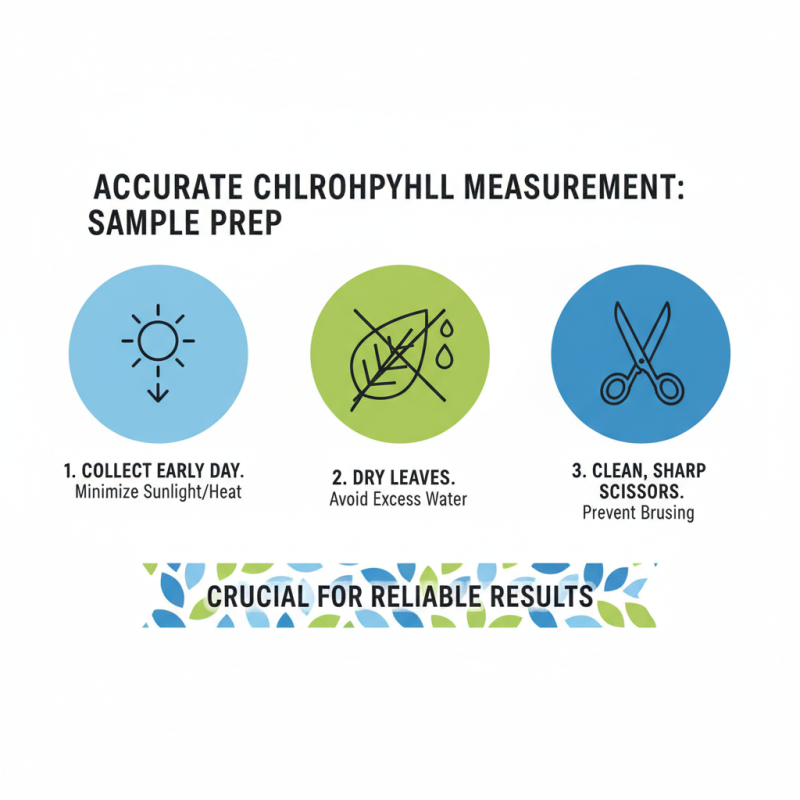
Preparing samples for accurate chlorophyll measurements is crucial. Proper collection and handling can greatly affect results. Always collect samples early in the day. This time minimizes the likelihood of degradation due to sunlight and heat. Try to collect leaves that are not wet. Excess water can interfere with measurements. Use clean and sharp scissors to avoid bruising the samples.
Tip one: Use consistent sample sizes. This ensures that your measurements are comparable. If your samples vary too much in size, results may not reflect true chlorophyll content.
Tip two: Store samples in a dark, cool place. Light and heat can alter the chlorophyll levels in a matter of hours. Ideally, prepare your samples for analysis as soon as possible.
Sometimes, we rush the process. This can lead to mistakes. Missing out on details can compromise your efforts. Make sure to revisit your procedures regularly. Reflect on your methods, and improve where you can. Consistency in preparation can lead to reliable measurements.
Interpreting Chlorophyll Readings: Key Insights and Tips
Interpreting chlorophyll readings requires attention to detail and understanding of the data. Chlorophyll levels indicate plant health and stress. When using a chlorophyll tester, readings can vary based on environmental factors.
A high reading does not always mean optimal health. Sometimes, it's a sign of over-fertilization or other issues.
Consider seasonal changes. During early spring, chlorophyll levels usually spike as plants begin to grow. This can lead to misinterpretation if not acknowledged. A reading that appears healthy in spring may drop in summer heat. It’s essential to track these changes over time. Regular monitoring helps build a more accurate picture of plant health.
Understanding the context of the readings adds depth to your analysis. A single measurement can mislead. Conducting multiple tests can uncover trends. Strive for consistency in your testing methods. However, be prepared for variability in results. Reflect on how different conditions affect your readings. This awareness will enhance your decision-making process regarding plant care.
Maintaining and Calibrating Your Chlorophyll Tester for Peak Performance
Maintaining and calibrating your chlorophyll tester is crucial for accurate readings. Regular checks ensure you get reliable data, especially in research and agricultural settings.
Studies show that improper calibration can lead to errors exceeding 15% in chlorophyll measurement. Monitoring this can prevent misinterpretation of plant health.
Cleaning your tester is essential. Dust and residues can interfere with sensors. Research indicates that 20% of inaccuracies stem from unclean equipment. A simple wipe can go a long way.
Check connections and battery levels too; a weak battery can compromise performance.
Calibration should happen often. Many experts recommend calibrating every month or after significant use. Even slight deviations can skew results.
Additionally, keep an eye on environmental conditions. Humidity and temperature can impact readings.
Adjusting for these factors is necessary for precision.





 Contact WhatsApp
 Contact Phone
 Contact Email