What is a Multi Parameter Monitor? Key Features and Benefits Explained
In today's fast-paced healthcare environment, the importance of continuous patient monitoring cannot be overstated. A Multi Parameter Monitor plays a pivotal role in ensuring patient safety and enhancing clinical outcomes by providing real-time data on various vital signs. According to a report by the Global Market Insights, the demand for advanced patient monitoring systems is projected to reach over $30 billion by 2026, driven by an increase in chronic diseases and the growing elderly population worldwide. This underscores the critical need for healthcare providers to adopt sophisticated monitoring technologies that can facilitate timely interventions.
Multi Parameter Monitors are designed to track multiple physiological parameters simultaneously, including heart rate, blood pressure, oxygen saturation, and respiratory rate. This capability not only aids in the early detection of potential health complications but also improves the efficiency of care provided in hospitals and outpatient settings. A study published in the Journal of Biomedical Engineering highlights that the integration of Multi Parameter Monitoring systems can reduce patient mortality rates by up to 15% in critical care units. As such, these devices are becoming indispensable tools for healthcare professionals striving to deliver high-quality patient care in an increasingly complex medical landscape.
What is a Multi Parameter Monitor and Its Role in Healthcare?
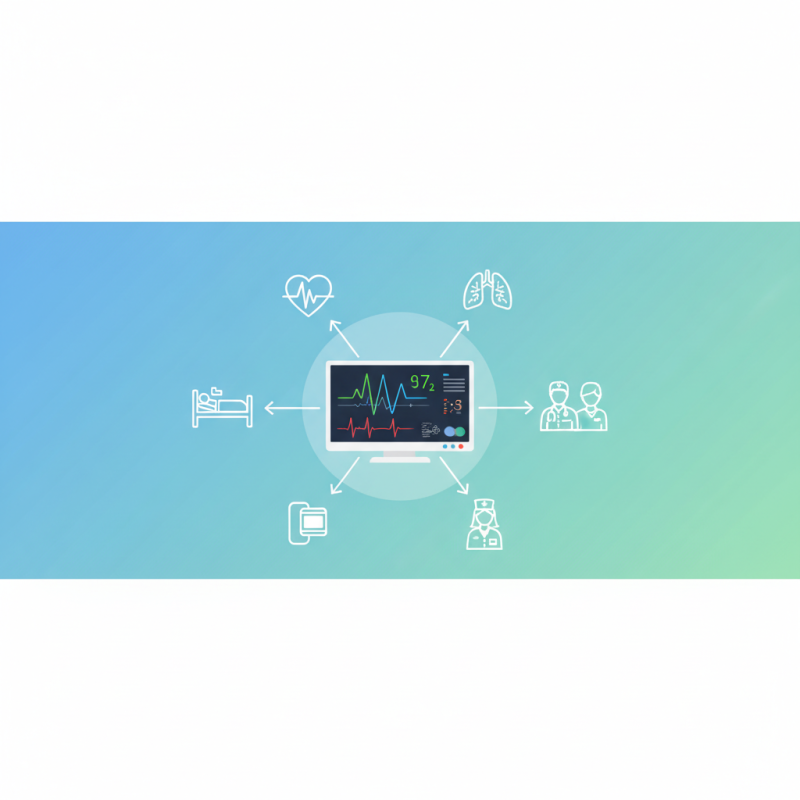
A multi-parameter monitor is an essential tool in modern healthcare settings, providing real-time data on various vital signs of patients. These monitors typically measure parameters such as heart rate, blood pressure, oxygen saturation, and respiratory rate, allowing healthcare professionals to gain a comprehensive overview of a patient's health status at a glance. By integrating multiple measurements into a single device, multi-parameter monitors streamline patient monitoring, enabling swift responses to any changes in a patient’s condition.
In critical care environments like intensive care units (ICUs) or during surgery, the role of a multi-parameter monitor becomes even more pronounced. These monitors not only facilitate continuous observation but also support early detection of potential complications. The ability to track multiple parameters simultaneously enhances clinical decision-making, allowing healthcare teams to implement interventions when necessary. Furthermore, the data collected can be invaluable for ongoing patient assessments, contributing to improved outcomes and enhanced patient safety. By delivering precise, timely information, multi-parameter monitors play a pivotal role in optimizing patient care and maintaining high standards in healthcare settings.
What is a Multi Parameter Monitor? Key Features and Benefits Explained
| Feature |
Description |
Benefits |
| Real-time Monitoring |
Tracks vital signs like heart rate, blood pressure, and oxygen saturation continuously. |
Enables quick response to any fluctuations in a patient's condition. |
| Multiple Parameters |
Simultaneous tracking of multiple vital signs. |
Provides a comprehensive view of a patient's health status. |
| Alert System |
Alerts healthcare personnel in case of abnormal readings. |
Enhances patient safety by ensuring timely medical intervention. |
| Data Recording |
Records vital signs for further analysis and review. |
Facilitates better diagnosis and treatment planning. |
| User-friendly Interface |
Easy to navigate interface for healthcare professionals. |
Reduces training time and increases operational efficiency. |
Key Features of Multi Parameter Monitors: A Comprehensive Overview
Multi-parameter monitors represent a crucial advancement in patient monitoring technology, serving as essential tools in healthcare settings such as hospitals and clinics. These devices typically measure vital signs including heart rate, blood pressure, respiratory rate, and oxygen saturation simultaneously. According to a report by the Global Market Insights, the multi-parameter monitoring market is projected to grow over 7% annually through 2026, driven by increasing demand for efficient patient care. The integration of AI and advanced data analytics enhances the ability of these monitors to provide real-time insights, promoting timely interventions.
When selecting a multi-parameter monitor, it’s important to consider features such as portability, user-friendly interfaces, and the ability to integrate with electronic health records (EHR). These monitors often come equipped with customizable alarms that can alert healthcare professionals to any abnormalities in a patient's condition. Furthermore, many models offer wireless capabilities, allowing for greater mobility and reduced clutter in care environments. **Tip**: Always evaluate the ease of use and training requirements of the device, as this can significantly impact its effectiveness in a fast-paced clinical setting.
Moreover, multi-parameter monitors are designed to enhance patient safety. They provide continuous surveillance of vital signs, which can lead to earlier detection of potential health issues. Research underpinning this technology indicates that real-time monitoring can decrease patient mortality rates significantly, particularly in critical care environments. **Tip**: Regular calibration and maintenance of monitors are essential to ensure accuracy and reliability, contributing to better health outcomes for patients.
Multi Parameter Monitor Key Features Overview
This chart illustrates the key features of multi-parameter monitors, as well as their benefits across different medical parameters.
Benefits of Multi Parameter Monitoring in Patient Care Efficiency
Multi-parameter monitoring systems play a pivotal role in enhancing patient care efficiency in healthcare settings. These monitors are designed to track multiple vital signs, such as heart rate, blood pressure, respiratory rate, and oxygen saturation, all in real-time. By consolidating critical data into one accessible display, healthcare providers can quickly assess a patient’s condition without the need for multiple devices. This streamlining enables timely decision-making, which is essential in emergency situations where every second counts.
The benefits of multi-parameter monitoring extend beyond mere efficiency; they also contribute significantly to improved patient outcomes. Continuous monitoring allows for the early detection of potential complications, enabling prompt interventions that can prevent deterioration. Furthermore, with real-time data analytics, clinicians can tailor treatments to individual patient needs, optimizing care plans based on precise and immediate feedback. As healthcare increasingly leans toward personalized medicine, multi-parameter monitors are indispensable tools that enhance not only the quality of care but also the overall patient experience. The integration of these systems not only supports clinicians in delivering efficient care but also ensures that patients receive the attention and timely responses their conditions require.
Industry Standards and Regulations for Multi Parameter Monitoring Devices
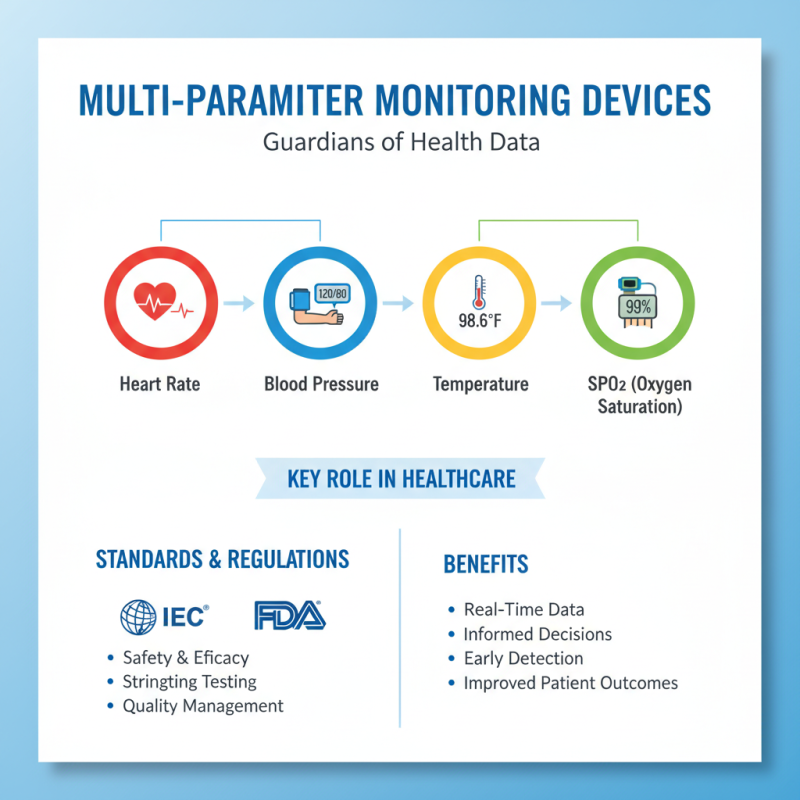
Multi-parameter monitoring devices play a crucial role in various settings, specifically in healthcare environments where accurate real-time data is essential. These devices are designed to track multiple vital signs such as heart rate, blood pressure, temperature, and oxygen saturation simultaneously. The industry recognizes the importance of adhering to specific standards and regulations to ensure that these monitoring devices operate safely and effectively. Organizations such as the International Electrotechnical Commission (IEC) and the Food and Drug Administration (FDA) establish guidelines that manufacturers must follow, which include stringent testing procedures, quality management systems, and performance benchmarks.
Compliance with industry standards is vital, not only for the safety and reliability of multi-parameter monitors but also for instilling trust among healthcare professionals and patients. Standards such as ISO 13485 focus on quality management systems specifically for medical devices, ensuring that manufacturers deliver products that meet specified requirements consistently. Regulatory bodies also mandate regular inspections and certifications that verify a device's performance, functionality, and accuracy. By adhering to these regulations, manufacturers can enhance the safety profile of their devices, ultimately promoting better patient outcomes and reducing the risk of errors in clinical settings.
Future Trends in Multi Parameter Monitoring Technology and Innovation
The future of multi-parameter monitoring technology is poised for transformative changes driven by advancements in
artificial intelligence and machine learning. These technologies are expected to enhance
data analysis capabilities, allowing for predictive analytics that can foresee potential health issues by recognizing patterns in the
data collected from various parameters. This trend will facilitate more proactive patient management, reducing hospital readmission rates and improving overall patient
outcomes. Additionally, interoperability between different monitoring devices and health information systems will become
increasingly vital, enabling seamless data sharing across platforms for a comprehensive view of patient health.
Another notable trend is the integration of wearable technology into multi-parameter monitoring systems. Wearable devices,
such as smartwatches and fitness trackers, are becoming more sophisticated, providing
real-time data on parameters like heart rate, oxygen saturation, and physical activity levels. This integration not only empowers patients by providing them with
constant health insights but also allows healthcare providers to monitor patients remotely, enhancing the efficiency of care delivery. As technology evolves, the
focus will also shift towards enhancing user experience, making these devices more intuitive and easier for both patients and healthcare professionals to navigate.





 Contact WhatsApp
 Contact Phone
 Contact Email