Why You Need a Pool Water Tester for Safe and Clean Swimming Water
Maintaining safe and clean swimming water is crucial for ensuring a pleasant and healthy swimming experience. One of the essential tools for achieving this is a Pool Water Tester. This device allows pool owners to assess the chemical balance and cleanliness of their pool water effectively. Regular testing not only helps in identifying potential issues such as pH imbalances and chlorine levels but also prevents the growth of harmful bacteria and algae that can compromise water quality.
With the increasing awareness of health and safety standards, the importance of using a Pool Water Tester has never been more significant. It serves as a proactive approach to pool maintenance, allowing for timely interventions that can save both time and money down the line. By understanding the various factors that contribute to water quality, swimmers can enjoy a safe environment that promotes health and well-being, making a Pool Water Tester an indispensable tool for both residential and commercial pool owners. Investing in this essential equipment ensures that your pool remains a safe haven for relaxation and fun.
Importance of Clean Swimming Water for Health and Safety
Clean swimming water is essential for maintaining health and safety in recreational activities. Contaminated pool water can pose several health risks, including skin irritations, gastrointestinal illnesses, and respiratory issues. Bacteria, algae, and other harmful substances can thrive in improperly treated water, leading to infections or exacerbating allergies in sensitive individuals. Regular testing of pool water ensures that chemical balances are maintained, reducing the likelihood of contamination and safeguarding users from potential health hazards.
Moreover, the impact of clean swimming water extends beyond individual health to community well-being. Public swimming facilities owe it to their patrons to provide a safe environment that encourages physical activity and enjoyment. When pool water is properly maintained, it promotes a positive experience for swimmers, leading to increased usage and community engagement. Investing in pool water testing not only protects individual health but also reinforces the commitment to public safety, fostering trust between facility operators and users. Regular monitoring of water quality is a vital step in ensuring a safe and enjoyable swimming experience for everyone.
Understanding the Functionality of Pool Water Testers
Pool water testers are essential tools for maintaining a safe and enjoyable swimming environment. They function by measuring various chemical levels in pool water, including pH, chlorine, alkalinity, and more. According to the Pool & Hot Tub Alliance, improper water chemistry not only affects the quality of the water but can also lead to skin irritations, eye discomfort, and in severe cases, infections. Regular testing with an effective pool water tester helps to ensure that the water remains balanced and within the safe ranges set by health organizations.
To optimize pool maintenance, it is crucial to understand the functionality of different types of testers available. There are digital testers that provide quick and precise results, and traditional test kits that involve colorimetric analysis. Each type has its advantages, but they all serve the same fundamental purpose: keeping pool water safe for swimmers. The Centers for Disease Control and Prevention suggests that pool water should be tested at least twice a week during the swimming season.
**Tips:** Always keep a log of your water tests to track changes over time and identify trends. This can help preemptively address any imbalances before they become larger problems. Additionally, consider testing water before and after heavy pool usage to ensure that sanitation levels remain safe. Regular maintenance not only enhances the swimming experience but also prolongs the life of the pool equipment.
Why You Need a Pool Water Tester for Safe and Clean Swimming Water - Understanding the Functionality of Pool Water Testers
| Test Parameter |
Ideal Range |
Testing Frequency |
Importance |
| pH Levels |
7.2 - 7.8 |
Weekly |
Maintains comfort and prevents irritation. |
| Chlorine Levels |
1 - 3 ppm |
Weekly |
Effective disinfection of pathogens. |
| Alkalinity |
80 - 120 ppm |
Monthly |
Stabilizes pH levels. |
| Calcium Hardness |
200 - 400 ppm |
Monthly |
Prevents corrosion and scale buildup. |
| Cyanuric Acid |
30 - 50 ppm |
Monthly |
Protects chlorine from UV rays. |
Key Parameters to Measure in Pool Water Quality
When maintaining a pool, ensuring water quality is crucial for the health and safety of swimmers. Key parameters to measure include pH levels, chlorine concentration, total alkalinity, and cyanuric acid levels. According to the Centers for Disease Control and Prevention (CDC), maintaining a pH level between 7.2 and 7.8 is essential for preventing skin and eye irritation, while effective chlorine levels should range from 1 to 3 parts per million (ppm) to adequately kill harmful pathogens.
Total alkalinity acts as a buffer for pH levels, helping them remain stable, which is vital for optimal pool maintenance. Ideal total alkalinity levels are between 80 and 120 ppm. Additionally, measuring cyanuric acid, often referred to as a stabilizer, is important to protect chlorine from being degraded by sunlight. The recommended range for cyanuric acid is typically between 30 and 50 ppm; levels too low can lead to rapid chlorine loss, while levels too high can hinder chlorine's effectiveness.
Tips: To ensure a safe swimming environment, test your pool water at least once a week during the swimming season. Using a reliable pool water tester can provide quick and accurate readings of these key parameters, helping you make informed adjustments. Regular maintenance not only keeps your pool clean but also enhances swimmer comfort and safety.
Pool Water Quality Parameters
How to Use a Pool Water Tester Effectively
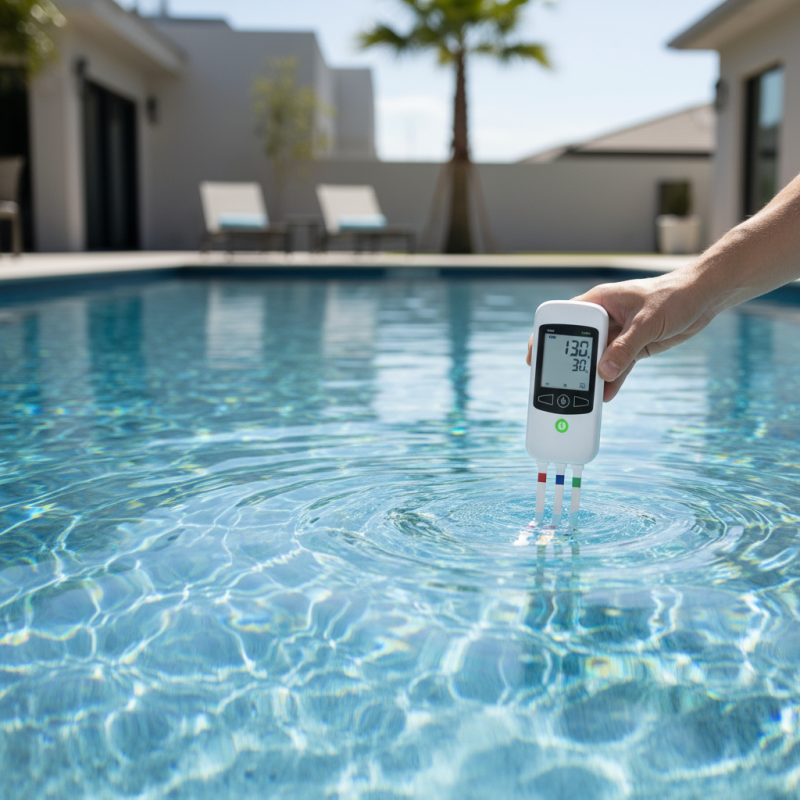
Using a pool water tester is essential to ensure that your swimming water remains safe and clean. To effectively use a pool water tester, start by collecting a water sample from about 18 inches below the surface, as this depth provides the most accurate reading of the water's chemical composition. It is also advisable to test water in different areas of the pool to account for variations that might occur due to factors like sunlight exposure and debris accumulation. According to the National Sanitation Foundation (NSF), maintaining balanced water chemistry is critical, as improperly balanced water can lead to skin irritations and eye problems, affecting swimmer enjoyment and safety.
After collecting the sample, follow the instructions provided with your pool water testing kit. Whether you're using test strips or a liquid drop kit, timing is crucial; ensure that you wait the recommended amount of time to get accurate results. Regular testing should be done at least once a week during peak swimming season, as factors such as rain, heavy usage, and organic debris can significantly alter chlorine and pH levels. The Centers for Disease Control and Prevention (CDC) recommends maintaining a pH level between 7.2 and 7.8 and free chlorine levels of at least 1 ppm (parts per million) to provide a safe swimming environment. By adhering to these guidelines, you can effectively monitor and manage the quality of your pool water, ensuring a pleasant and safe swimming experience for everyone.
Maintaining Safe Pool Water: Tips and Best Practices
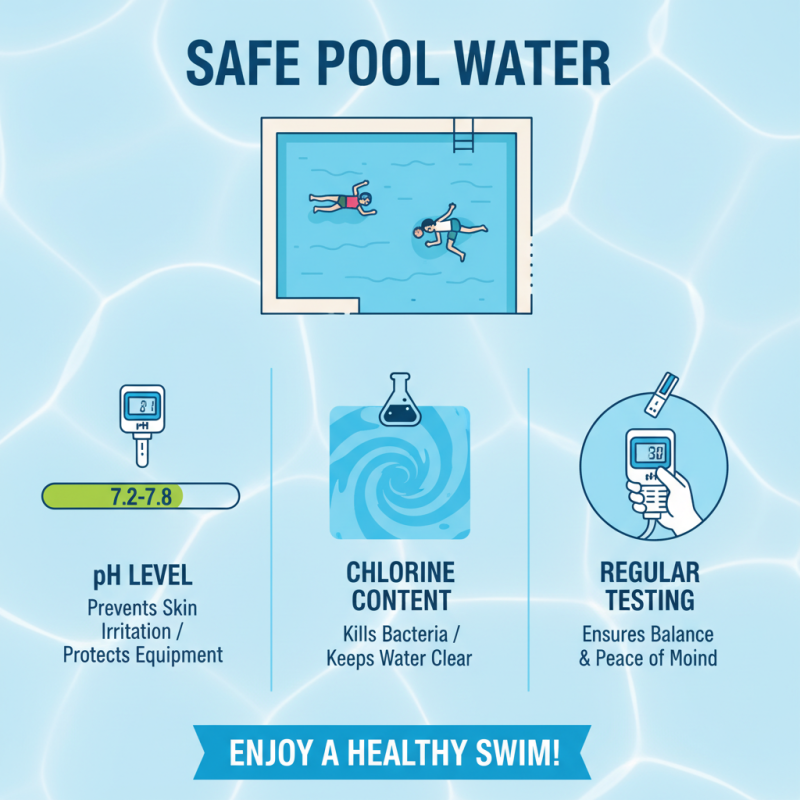
Maintaining safe pool water is essential for a pleasant swimming experience and overall health. Regular testing of pool water is crucial to ensure that pH levels, chlorine content, and alkalinity are balanced. An ideal pH level should range between 7.2 and 7.8, which helps mitigate skin irritation and keeps pool equipment in good condition. Similarly, maintaining adequate chlorine levels not only prevents the growth of harmful bacteria but also helps to keep the water clear and inviting. Using a reliable pool water tester allows you to monitor these key factors easily, providing peace of mind and ensuring a safe swimming environment.
In addition to regular testing, it's important to practice good maintenance habits. Regularly skimming the surface of the water, vacuuming the pool floor, and brushing the walls can prevent algae buildup and improve the effectiveness of chemical treatments. Additionally, keeping the pool filtration system running for an appropriate amount of time helps in removing debris and any contaminants that may have entered the water. By integrating these best practices with consistent water testing, pool owners can create a clean and enjoyable swimming space for family and friends, ensuring both safety and fun during leisure time.





 Contact WhatsApp
 Contact Phone
 Contact Email