• instagram (5)
  • 65e82dd72e92827394
  • 65e82dd7a74e048637
  • 65e82dd83039430728
Leave Your Message

Top Sludge Sensor Technologies for Effective Waste Management Solutions?

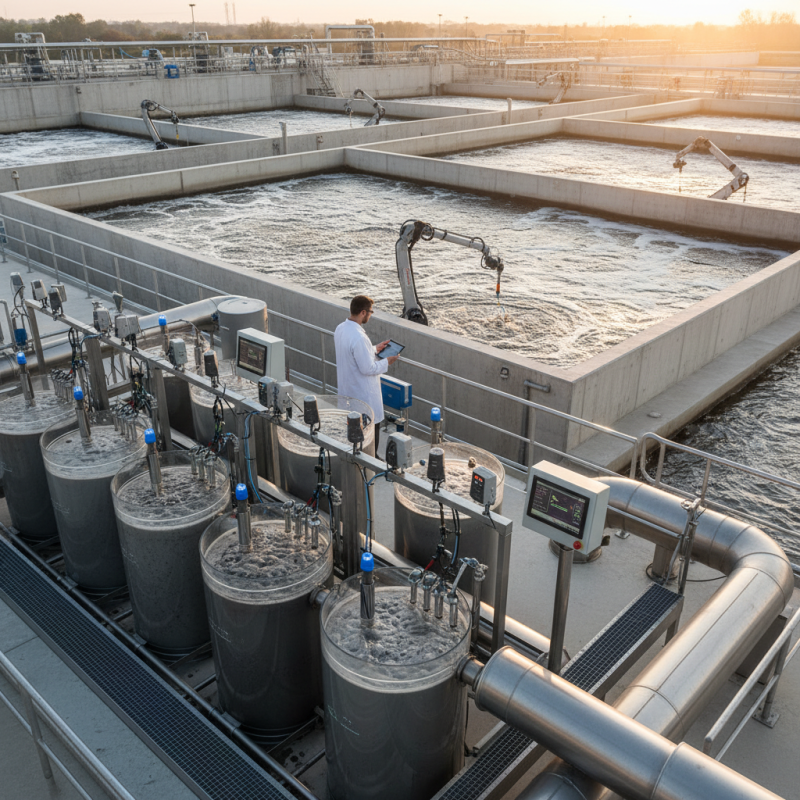
In the realm of waste management, efficient sludge handling is crucial. Sludge is often a byproduct of wastewater treatment. According to a report by the Global Water Intelligence, the global wastewater management market is projected to reach $900 billion by 2025. Effective monitoring technologies, such as the Sludge Sensor, play an integral role in optimizing these processes.

Sludge Sensors provide real-time data on sludge levels and quality. Accurate readings can help in maintaining the desired balance in treatment facilities. Studies show that using advanced sensors can reduce operational costs by up to 30%. However, many facilities still rely on outdated methods, leading to inefficiencies. The lack of investment in modern technologies raises questions about future sustainability efforts.

Innovative sludge management solutions are becoming more necessary. The demand for cleaner water sources pushes industries to adopt smarter technologies. There is still much room for improvement, particularly in integrating these sensors into existing systems. Ensuring that these technologies are accessible to all wastewater facilities is critical. As municipalities strive for compliance, the importance of advanced monitoring cannot be overstated.

Top Sludge Sensor Technologies for Effective Waste Management Solutions?

Overview of Sludge Sensor Technologies in Waste Management

In waste management, sludge sensor technologies play a crucial role. These sensors provide real-time data on sludge levels and composition. They allow operators to make informed decisions about waste treatment. Proper monitoring improves efficiency in treatment plants. This technology reduces operational costs and enhances environmental compliance.

However, some sensor technologies face challenges. They sometimes struggle to function in extreme conditions. Factors like temperature and humidity can affect their accuracy. Calibration issues may arise, leading to misleading readings. Operators must regularly check and maintain these sensors for consistent performance.

The future of sludge sensors holds promise. Innovations aim to enhance their reliability and robustness. New materials and designs are in development. A shift towards smarter technologies could improve data analytics. However, the balance between advanced features and usability is crucial. If not managed well, complexity can hinder effectiveness in waste management.

Top Sludge Sensor Technologies for Effective Waste Management Solutions

Sensor Technology Measurement Principle Key Features Typical Applications Advantages
Ultrasonic Sensors Sound wave reflection Non-contact measurement, real-time data Wastewater treatment plants, sludge depth measurement High accuracy, minimal maintenance
Capacitive Sensors Capacitance change measurement Corrosion resistant, suitable for varying sludge types Dewatering, sludge concentration measurement Stable in varying conditions, reliable
Optical Sensors Light scattering or absorption Real-time monitoring, detects particle size distribution Sludge quality assessment, monitoring turbidity High sensitivity, versatile
Radar Sensors Microwave pulses Non-contact, unaffected by temperature/pressure Level measurement in extreme conditions Reliable in harsh environments, high accuracy
Conductive Sensors Electrical conductivity Simple design, low cost Sludge density measurement, concentration monitoring Cost-effective, straightforward installation

Importance of Accurate Sludge Monitoring for Environmental Impact

Top Sludge Sensor Technologies for Effective Waste Management Solutions?

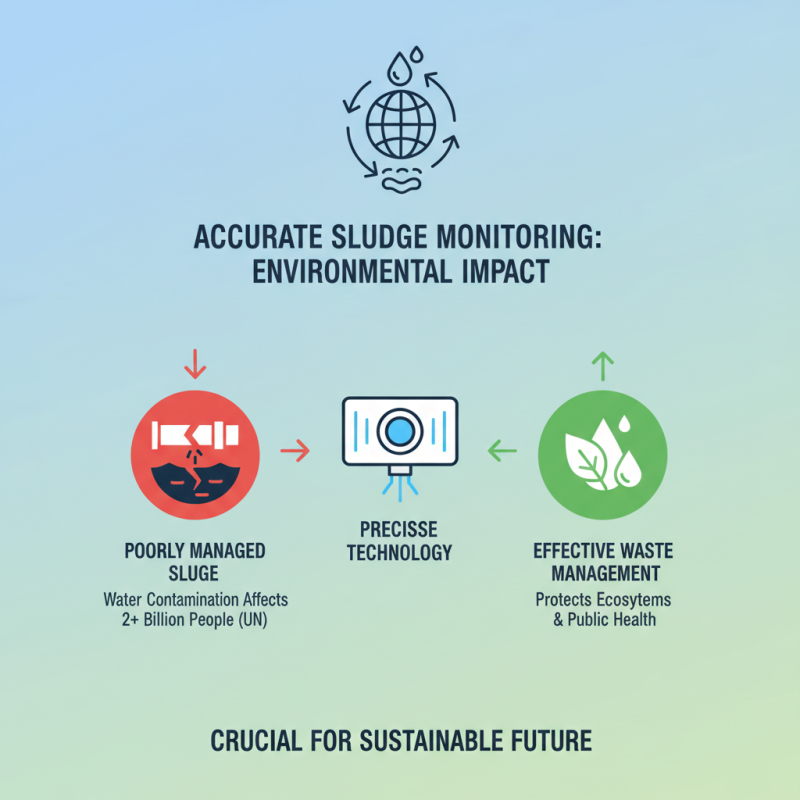
Accurate sludge monitoring is crucial for effective waste management. Research shows that poorly managed sludge can lead to significant environmental degradation. According to the United Nations, improper sludge handling can contribute to water contamination, affecting over 2 billion people globally. This highlights the need for precise sludge sensor technologies.

Effective monitoring allows for timely interventions. Sensors can measure parameters like moisture content, pH, and nutrient levels. Some studies indicate that real-time data can reduce operational costs by up to 30%. This data enables facilities to optimize treatment processes and minimize environmental impacts.

Despite advancements, challenges remain. Not all monitoring technologies provide consistent accuracy. Fluctuating environmental conditions can affect readings. Moreover, some operators may overlook regular calibrations, leading to faulty data. This calls for ongoing training and better maintenance practices. Regular audits of monitoring systems can ensure data reliability.

Types of Sludge Sensors: Capacitive, Ultrasonic, and Optical Technologies

In the realm of waste management, sludge sensors play a vital role. Among the various technologies available, capacitive, ultrasonic, and optical sensors stand out. Capacitive sensors measure the dielectric constant of sludge. They are often reliable and easy to install. However, they can be affected by temperature changes. Still, many facilities prefer them due to their simplicity.

Ultrasonic sensors use sound waves to detect sludge levels. They send out pulse signals and measure the time taken for an echo to return. This non-contact method is advantageous. Yet, it may struggle with turbulent surfaces. Challenges arise during heavy rainfall or when foam is present. Therefore, one must evaluate their specific needs before choosing this technology.

Optical sensors are another option. They analyze light transmission and refraction within the sludge. This gives valuable insights into the sludge's characteristics. However, they may require regular cleaning to ensure accuracy. Despite these drawbacks, they offer incredible detail about sludge composition. Thus, choosing the right sludge sensor involves balancing benefits against challenges.

Comparative Analysis of Sensor Efficiency and Cost-Effectiveness

In waste management, sensor technologies play a crucial role. Their efficiency and cost-effectiveness dictate operational success. Some sensors excel in detecting sludge levels, while others prioritize affordability. A thorough comparative analysis reveals key differences.

Cost-effective sensors may lack advanced features. However, they can still provide adequate performance for small operations. Often, the choice comes down to balancing quality and price. A high-end sensor might offer precise data but at a steep cost. This can strain budgets for smaller facilities.

**Tip:** Consider your specific needs before choosing a sensor. Analyze your budget and required accuracy.

Efficiency varies across technologies. Ultrasonic and capacitive sensors are popular. They offer reliable data but may come with maintenance costs. Some low-end options require frequent calibration. In contrast, high-end models may work for years with minimal attention.

**Tip:** Don’t overlook long-term expenses. Sometimes, a cheaper sensor can lead to higher costs down the line. Evaluate total cost rather than just initial price.

Top Sludge Sensor Technologies for Effective Waste Management Solutions

This chart compares various sludge sensor technologies based on their cost-effectiveness and efficiency scores. The scores are evaluated on a scale from 1 to 10, allowing for a clear visual representation of how each technology performs in waste management solutions.

Future Trends in Sludge Sensing Technologies for Waste Management Solutions

Top Sludge Sensor Technologies for Effective Waste Management Solutions?

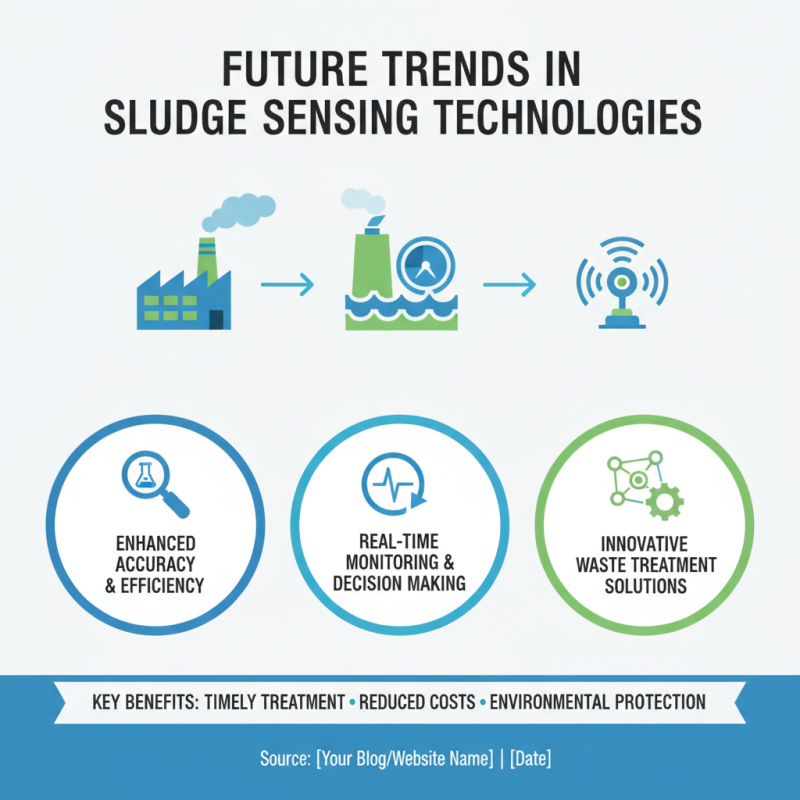
The future of sludge sensing technologies is promising. New methods are emerging to enhance waste management. These innovations focus on efficiency and accuracy. Improved sensors can monitor sludge levels in real time. This helps in making timely decisions about waste treatment.

Recent trends show a shift towards smart technologies. Systems using artificial intelligence analyze data instantly. This can lead to better predictions of sludge behavior. However, there are still challenges to overcome. Not all sensors perform reliably in harsh conditions. Regular maintenance is often needed, which can be resource-intensive.

Users may face issues with data interpretation. Complex algorithms may require specialized training. A lack of understanding can lead to mismanagement. It is important to continually improve these technologies. Feedback from real-world applications can guide future developments. Investing in training will also be essential to fully harness these advancements.