Top Chlorine Analyser Tools for Accurate Water Quality Testing?
In today's world, maintaining water quality is crucial. Contaminated water can lead to health risks. One essential aspect of water testing is chlorine measurement. A Chlorine Analyser provides accurate data about chlorine levels. This is vital for pools, drinking water, and industrial processes.
Choosing the right chlorine analyser can be challenging. There are many options available, each with various features. Some tools are more complex and expensive, while others are simpler and budget-friendly. It's important to consider the specific needs of your water testing situation. Not all analysers offer ease of use or precise results.
Investing in a reliable chlorination tool is essential. However, even the best analysers may have limitations. Users might find them difficult to calibrate or maintain. It's crucial to regularly check the device's accuracy. Understanding these factors can help avoid potential water quality issues.
Importance of Chlorine Analysis in Water Quality Testing
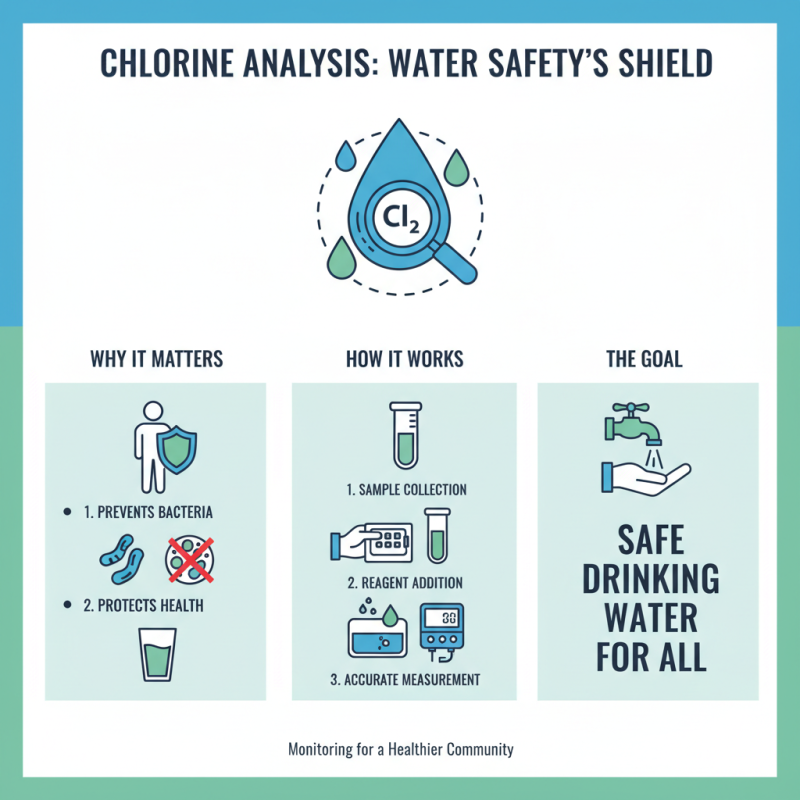
Chlorine analysis plays a vital role in water quality testing. It helps ensure safe drinking water for communities. Accurate chlorine levels prevent bacterial growth and other harmful pathogens. Many people often overlook this aspect of water safety. Yet, monitoring chlorine is crucial for public health.
Regular testing reveals chlorine’s effectiveness in disinfecting water. However, fluctuations in chlorine levels can occur. Environmental factors, such as temperature and organic matter presence, can affect readings. Understanding these variations helps improve testing accuracy. A reliable tool aids in consistent results, yet mistakes can happen. Users sometimes misinterpret data or overlook maintenance. Regular training can mitigate these issues.
Ultimately, effective chlorine analysis enhances overall water quality. Communities benefit when water treatment plants utilize proper tools. Awareness of chlorine's importance encourages accountability. Even minor errors can have significant consequences. Fostering a commitment to precise testing can improve water safety efforts.
Types of Chlorine Analyser Tools Available in the Market
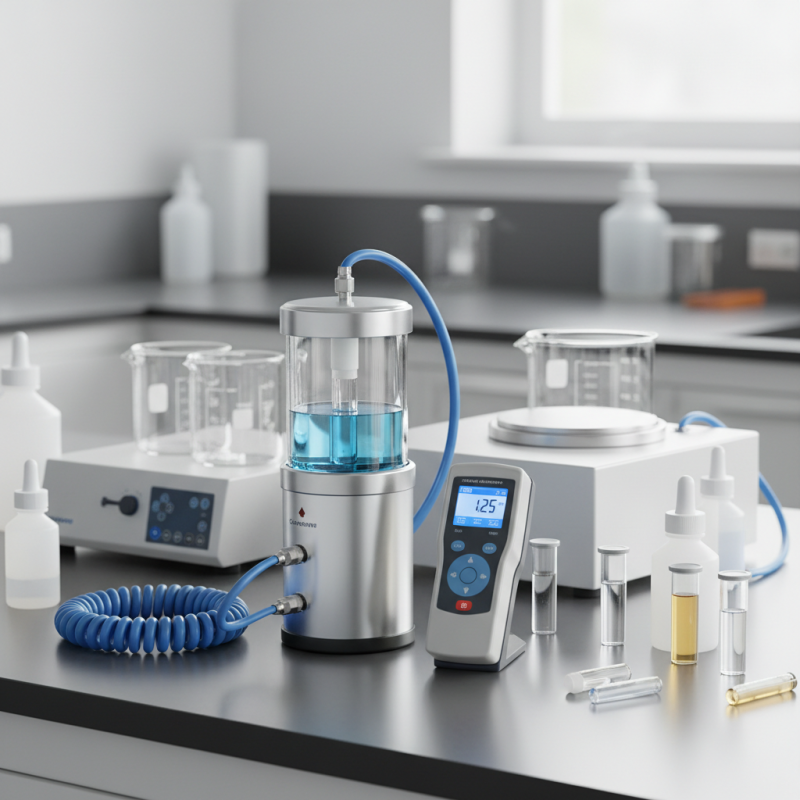
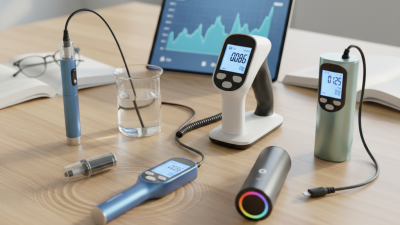
When it comes to ensuring water quality, chlorine analyser tools are essential. These tools vary widely in type and functionality. The most common types include portable testers, online analyzers, and chemical test kits. Portable testers provide flexibility. They are handy for fieldwork and quick on-site analyses. In contrast, online analyzers offer real-time monitoring. This helps maintain consistent chlorine levels in large water systems.
Chemical test kits are user-friendly. They typically use colorimetric methods to determine chlorine concentration. A recent industry report indicated that portable testers hold about 40% of the market share because of their convenience. However, these tools may lack precision compared to their online counterparts. It’s important to understand these differences while selecting the right tool for specific applications.
**Tips:** Remember to calibrate analysers regularly. Neglecting this can lead to inaccurate readings. Also, consider the range of chlorine levels each tool can measure. Some are better suited for higher concentrations. Finally, evaluate the ease of use. Complex devices can deter accurate testing, especially for inexperienced users.
Top Chlorine Analyser Tools for Accurate Water Quality Testing
Key Features to Consider When Selecting a Chlorine Analyser
When selecting a chlorine analyser, key features are crucial. Precision is paramount. An analyser must accurately measure free and total chlorine levels. Look for a device that provides real-time readings. Instant feedback helps in making timely adjustments to water treatment processes.
Durability is another important factor. Water quality testing can be harsh on equipment. Ensure the analyser is built to withstand tough conditions. Additionally, consider user-friendliness. A complicated interface can hinder effective use. Ideally, the device should offer intuitive controls. This can make training new users easier.
Calibration capabilities also deserve your attention. Frequent calibration ensures ongoing accuracy. Look for models that simplify this process. Some may require manual adjustments, which can be tiring. Others offer self-calibration features, which reduce human error. Assessing these details can lead to better monitoring of water quality.
Top Chlorine Analyser Tools for Accurate Water Quality Testing
| Feature |
Analyzer A |
Analyzer B |
Analyzer C |
| Measurement Range |
0-20 mg/L |
0-10 mg/L |
0-25 mg/L |
| Response Time |
< 1 min |
< 2 min |
< 1.5 min |
| Calibration |
Automatic |
Manual |
Automatic |
| Power Supply |
Battery/USB |
AC |
Battery |
| User Interface |
LCD Display |
LED Indicators |
Touchscreen |
| Data Logging |
Yes |
No |
Yes |
Top Recommended Chlorine Analyser Brands and Models
When it comes to water quality testing, chlorine analyzers are essential. They measure chlorine levels in various water sources, ensuring safety and compliance. A recent industry report indicates that effective chlorine monitoring can reduce health risks by over 30%. However, choosing the right tools can feel overwhelming.
Several top brands have emerged as trusted names in chlorine analysis. They offer models featuring advanced sensors and easy calibration. These tools not only provide consistent results but also streamline the testing process. A 2022 survey revealed that over 70% of lab technicians prefer analyzers with digital displays. Yet, one key consideration is maintenance. Many users report that regular calibration is essential but often neglected.
In terms of affordability, some models are more accessible to small businesses and local councils. Despite the lower price tags, they may lack some advanced features. Users sometimes express frustration with their accuracy. It is important to weigh initial costs against long-term performance. This balance can lead to sustainable water management practices, which are vital for public health.
Best Practices for Using Chlorine Analysers in Field Testing
When using chlorine analysers for field testing, precision is key. The equipment should be calibrated regularly to ensure accurate readings. Environmental conditions can impact the measurements, so it’s important to perform tests under consistent temperature and light conditions. User technique also plays a vital role. Analyser probes must be clean and free of any residues. Neglecting simple maintenance can lead to misleading results.
In practice, test samples should be taken thoughtfully. Collecting water samples from various depths can provide a clearer picture of chlorine levels. Timing is critical too. Testing should occur at consistent intervals to track changes effectively. It's easy to overlook details, but these can lead to significant errors. This might disrupt water quality assessments.
Ensure proper documentation of every test conducted. This practice helps in tracing back any anomalies. Reflection on both methods and results is essential. Consider what worked and what didn’t. If unexpected results arise, revisit your technique. Each testing scenario offers an opportunity for learning and improvement.





 Contact WhatsApp
 Contact Phone
 Contact Email