Top 10 Dissolved Oxygen Sensors for Accurate Water Quality Monitoring?
Water quality is crucial in many fields, including aquaculture, environmental science, and drinking water management. Accurate measurement of dissolved oxygen is essential for ensuring healthy water environments. Dissolved Oxygen Sensors play a key role in this process. They provide vital data that helps monitor aquatic life and assess pollution levels.
Choosing the right sensor can be challenging. Different models fit various needs and budgets. Some sensors are highly sensitive, while others are more durable for harsh conditions. Each sensor has its own advantages and limitations. Understanding these differences is vital for effective monitoring.
The market offers numerous options, but not all sensors deliver reliable results. Some may struggle with calibration or drift over time. Users must consider performance, maintenance, and cost. This article will explore the top ten dissolved oxygen sensors, highlighting their unique features and potential drawbacks. The goal is to provide clarity in selecting the right tool for accurate water quality monitoring.
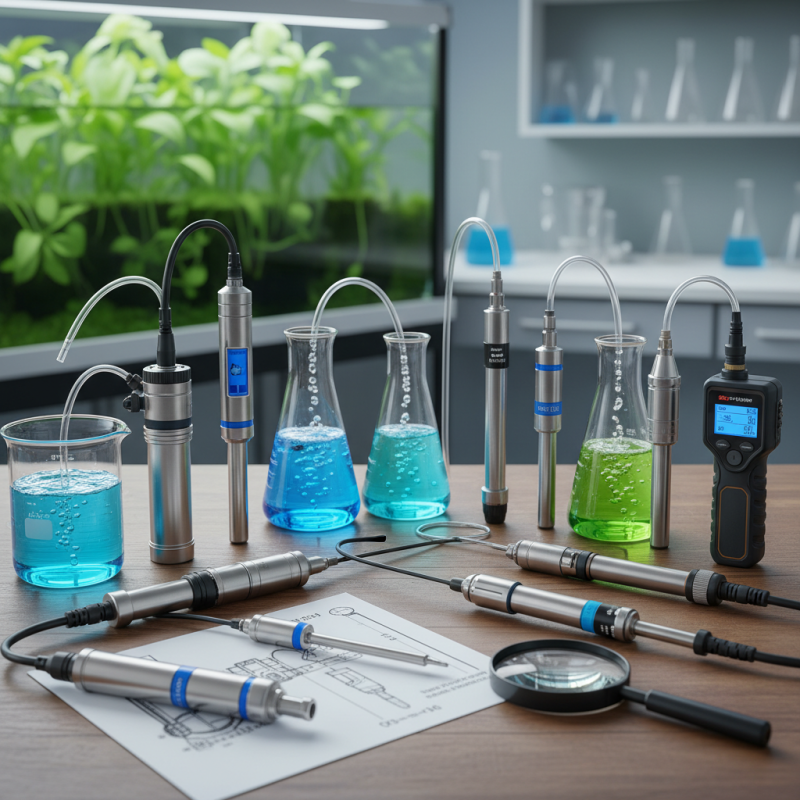
Understanding Dissolved Oxygen and Its Importance in Water Quality
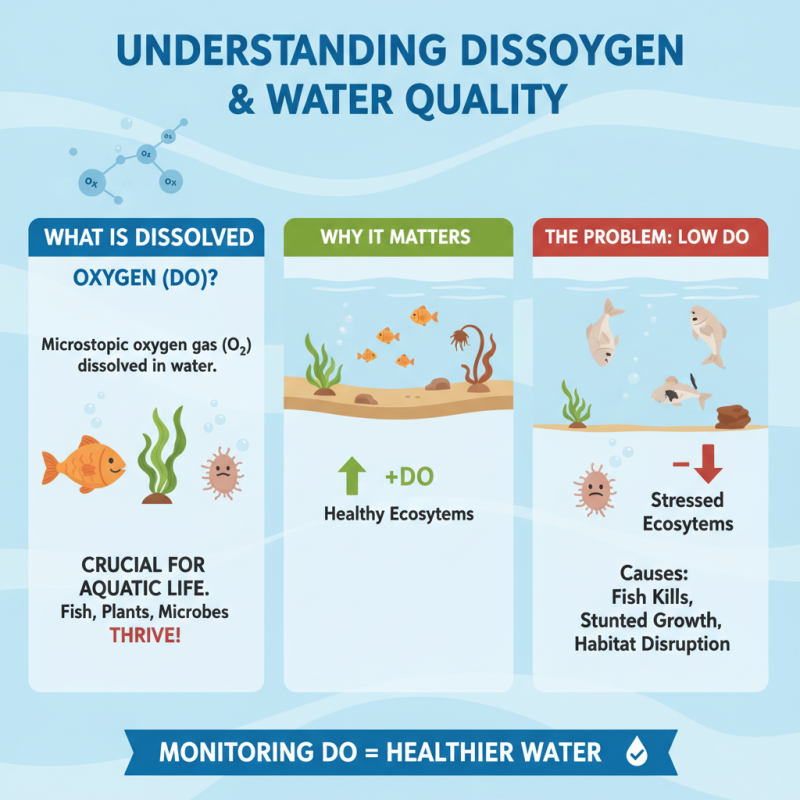
Dissolved oxygen (DO) is crucial for aquatic life. Fish, plants, and microorganisms rely on it to thrive. Without sufficient DO levels, ecosystems suffer. Low oxygen can lead to fish kills, harm growth, and disrupt habitats. Understanding DO helps monitor water quality effectively.
Measuring dissolved oxygen is not always straightforward. Factors like temperature and salinity can affect readings. More importantly, human activities can also lower DO. Pollution, nutrient runoff, and industrial waste contribute to oxygen depletion. Regular monitoring is essential. Yet, even sophisticated sensors may struggle in varying conditions.
Accurate detection of DO levels promotes healthier ecosystems. It aids in managing fisheries and ensures safe water for recreational use. However, relying solely on tools can be risky. There is always room for improvement. Continuous training and adaptation to changing environments are necessary to maintain effective monitoring strategies.
Key Features to Look for in Dissolved Oxygen Sensors
When selecting a dissolved oxygen sensor for water quality monitoring, focus on key features that enhance accuracy. The sensor’s response time is essential. A quicker response allows for real-time adjustments. This is critical in environments with fluctuating oxygen levels. Choose sensors that provide fast readings, ideally within a few seconds.
Another consideration is the sensor’s measurement range. Certain applications may require monitoring very low or high levels of oxygen. Ensure the sensor you choose fits your specific environment. The durability of materials used in the sensor is also important. Sensors exposed to harsh environments may require robust construction. This durability can affect longevity and reliability.
Calibration is a feature that should not be overlooked. Some sensors require frequent calibration. Others maintain accuracy longer. Understand the calibration process for each model. It can influence maintenance schedules and costs. Keep in mind that not every sensor works perfectly in every situation. Testing different sensors against your specific water conditions is beneficial. The best choice depends on balancing these features with your monitoring needs.
Top 10 Dissolved Oxygen Sensors for Accurate Water Quality Monitoring
| Sensor Model |
Measurement Range (mg/L) |
Accuracy (%) |
Response Time (s) |
Operating Temperature (°C) |
Features |
| Model A |
0 - 20 |
± 1% |
15 |
0 to 50 |
Compact, Wi-Fi connectivity |
| Model B |
0 - 30 |
± 0.5% |
10 |
-10 to 60 |
Long battery life, portable |
| Model C |
0 - 40 |
± 2% |
20 |
5 to 45 |
Data logging, USB interface |
| Model D |
0 - 15 |
± 1.5% |
25 |
0 to 70 |
Submersible, rugged design |
| Model E |
0 - 5 |
± 0.3% |
30 |
-5 to 35 |
Real-time monitoring, LCD display |
| Model F |
0 - 10 |
± 1% |
15 |
0 to 90 |
Wireless, smartphone compatible |
| Model G |
0 - 25 |
± 0.8% |
12 |
-10 to 50 |
Multi-point calibration, portable |
| Model H |
0 - 20 |
± 1% |
18 |
-5 to 65 |
Built-in sensors for temperature compensation |
| Model I |
0 - 15 |
± 1% |
20 |
0 to 60 |
Corrosion-resistant, suitable for harsh environments |
| Model J |
0 - 40 |
± 1% |
15 |
-10 to 50 |
Customizable settings, extensive data storage |
Top 10 Dissolved Oxygen Sensors: An Overview of Each Model
Monitoring dissolved oxygen (DO) levels is vital for assessing water quality. Several sensors on the market offer unique features. For example, optical sensors rely on luminescent technology. They provide data with minimal interference. This leads to more accurate readings. Many facilities report that these sensors reduce maintenance efforts significantly. However, implications of higher initial costs may deter some users.
Electrochemical sensors are another popular choice. They function through chemical reactions and are traditionally used in various settings. These devices often require calibration more frequently, which could impact user experience. Users have noted that their responsiveness to rapid changes in DO levels is beneficial in dynamic environments like aquaculture. Nevertheless, concerns about lifespan and reliability linger.
Economic reports indicate the need for continued innovation. As environmental regulations tighten, better DO sensors will play a critical role. The global market for water quality monitoring equipment, including DO sensors, is projected to grow substantially. There's significant opportunity for advancements in sensor technology. Users must remain aware of industry trends and data to ensure they choose the right model for their needs.
Comparison of Sensor Technology: Optical vs. Electrochemical Sensors
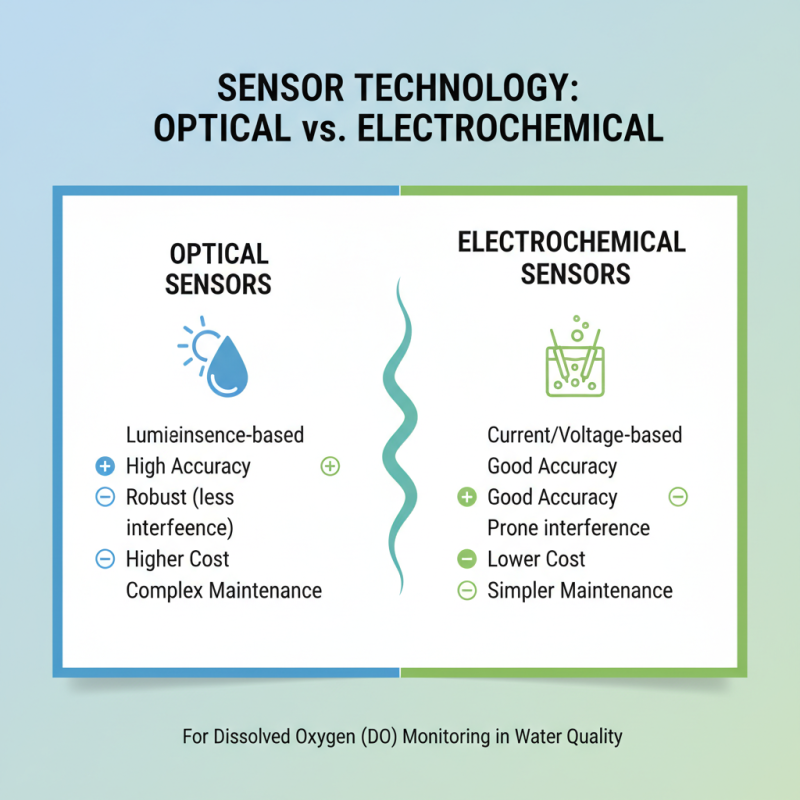
Dissolved oxygen (DO) sensors play a crucial role in water quality monitoring. When comparing technologies, optical and electrochemical sensors each bring distinct benefits. Optical sensors use luminescence to measure oxygen levels. They often offer higher accuracy and robustness against interference. However, they can be more expensive and complex.
Electrochemical sensors, on the other hand, rely on chemical reactions. They are generally simpler and less costly. But these sensors may require more frequent maintenance. They can be subject to drift over time, which is a concern for users. Understanding these differences is essential for selecting the best sensor for your needs.
**Tips:** When choosing a sensor, consider your budget and the environment. If working in harsh conditions, an optical sensor may be best. Always test your sensor periodically. Sometimes, improper calibration can lead to misleading results. Regular checks will help maintain accuracy and reliability.
Maintenance and Calibration Tips for Accurate Sensor Performance
Maintaining dissolved oxygen sensors is crucial for accurate water quality monitoring. Regular calibration is necessary to ensure data fidelity. According to a 2022 industry report, nearly 30% of sensors underperformed due to inadequate calibration routines. This highlights the importance of scheduled checks and adjustments.
Cleaning sensors is equally vital. Dirty electrodes can significantly skew readings. It's recommended to clean sensors weekly in high-pollution areas. A 2021 study indicated that 25% of sensors showed drifts in readings after two weeks without proper cleaning. Using gentle tools, like soft brushes, can help prevent damage while maintaining accuracy.
Over time, sensor components may wear down. This degradation can lead to inaccurate data, which has serious implications for environmental monitoring. A report noted that 15% of errors stemmed from aging sensors. Regularly inspecting and replacing parts can minimize these issues. When sensors become unreliable, valuable data may be lost. Accurate monitoring is essential for maintaining healthy water ecosystems.





 Contact WhatsApp
 Contact Phone
 Contact Email