Why Do You Need a Water Oxygen Meter for Your Aquatic Environment?
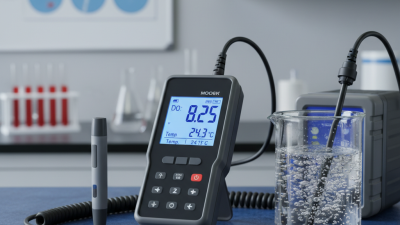
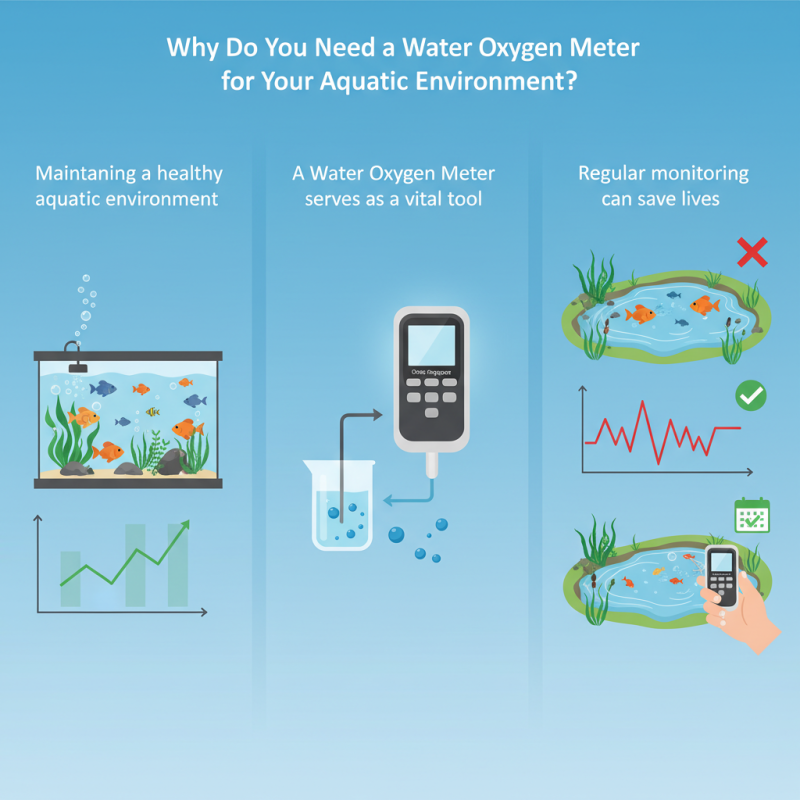
Maintaining a healthy aquatic environment is crucial for the well-being of fish and plants. Oxygen levels in water can fluctuate, impacting all living organisms. A Water Oxygen Meter serves as a vital tool in this regard. It provides accurate readings of dissolved oxygen, ensuring that the aquatic ecosystem thrives.
These meters help you monitor water quality effectively. Regular checks can prevent crises caused by low oxygen levels. Imagine a pond filled with fish gasping for air. Without tools like the Water Oxygen Meter, such situations can easily arise. It may seem overwhelming to manage these levels without reliable data.
Investing in a Water Oxygen Meter allows for informed decisions. These meters are user-friendly and crucial for both hobbyists and professionals. However, it’s essential to reflect on usage. Many overlook the importance of water testing until it’s too late. Make it a routine. Regular monitoring can save lives and maintain the balance of your aquatic environment.
Understanding the Role of Oxygen in Aquatic Environments
Oxygen is vital for all aquatic life. Fish, plants, and microorganisms rely on it to grow and thrive. In ponds, lakes, and aquariums, oxygen levels can fluctuate. Poor oxygen conditions can lead to stress or death for aquatic organisms.
Monitoring oxygen levels is essential. Without proper measurement tools, it becomes difficult to maintain a healthy environment. Aquatic systems can experience sudden changes. A fish might gasp at the surface, signaling trouble. This raises concerns about water quality and ecosystem health.
Understanding oxygen dynamics is part science, part art. Factors like temperature, plant growth, and bacterial activity all play a role. Sometimes, we might overlook these details. Regular checks with a water oxygen meter help ensure balance. Observing how fish behave gives valuable hints. A thriving aquatic system requires constant attention to its needs.
The Importance of Measuring Dissolved Oxygen Levels
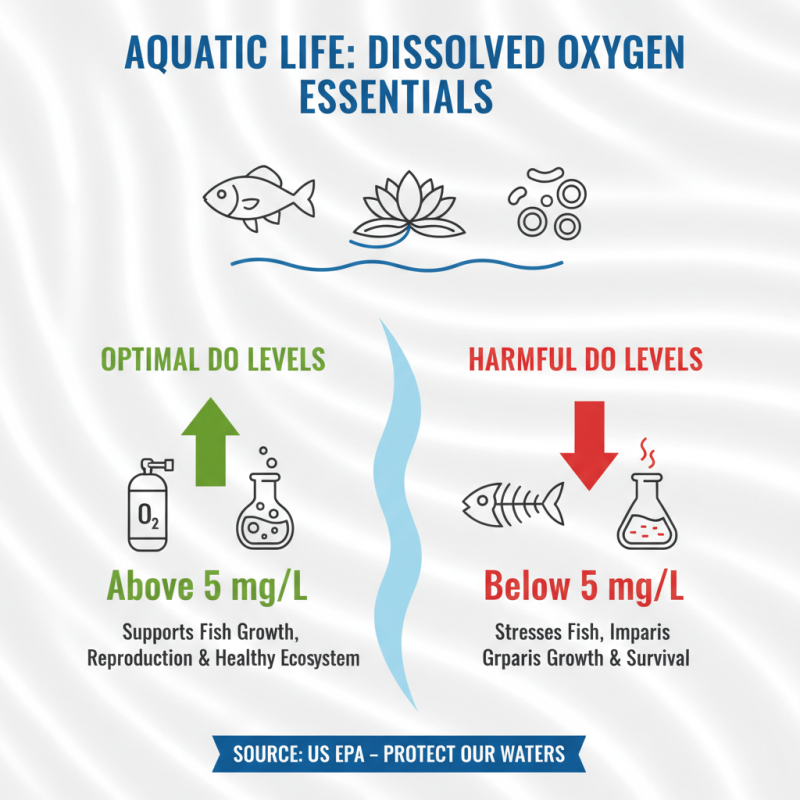
Maintaining optimal dissolved oxygen (DO) levels is crucial for aquatic life. A healthy aquatic environment relies on these levels for fish, plants, and microorganisms. According to a report by the U.S. Environmental Protection Agency, DO concentrations below 5 mg/L can be harmful to fish. Levels above this threshold support their growth and reproduction.
Measuring dissolved oxygen is essential in aquaculture, freshwater habitats, and wastewater treatment. In aquaculture, for instance, fish farms need precise measurements to avoid stress in fish. A drop in oxygen can lead to poor water quality and increased mortality. Monitoring DO levels is necessary to maintain fish health and overall productivity.
Tip: Regularly check your dissolved oxygen meter for accuracy. Even small discrepancies can impact readings. Keep records of DO levels over time. This helps identify patterns and potential issues in your aquatic environment. Remember, fluctuations can often go unnoticed without consistent monitoring. Adjustments may need reflection and careful observation to achieve optimal results.
How Water Oxygen Meters Work
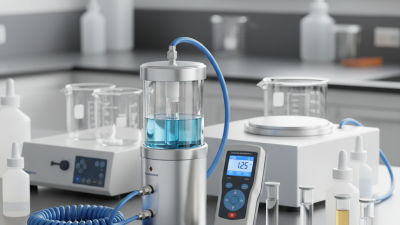
Water oxygen meters are essential tools in maintaining healthy aquatic environments. They measure the dissolved oxygen levels in water, which is crucial for the survival of fish and other aquatic life. The process of measuring oxygen levels involves the use of sensors that detect the concentration of oxygen in the water. These meters provide real-time data, allowing users to take immediate actions if oxygen levels drop.
However, many individuals don't fully understand how these devices work. The sensors within the meters can use various technologies, like polarographic or galvanic methods. Each has its pros and cons. For example, some may require regular calibration to ensure accuracy, which can be a hassle. Others may need periodic replacement, leading to additional costs. This emphasizes the need for proper maintenance and user education.
Indicators on the device often display oxygen saturation levels. A reading below certain thresholds can signify distress for aquatic organisms. Recognizing this, users must reflect on their water management practices. Ensuring optimal oxygen levels isn't just about having the right tools; it requires continuous observation and adaptation. Maintaining an aquatic habitat is complex. Regular monitoring is vital but can sometimes be overlooked in daily routines.
Oxygen Levels in Aquatic Environments
This bar chart illustrates the levels of dissolved oxygen in various aquatic environments, which is crucial for the health of aquatic life. Regular monitoring with a water oxygen meter ensures that these levels remain optimal for organisms living in these habitats.
Benefits of Using a Water Oxygen Meter in Aquaculture
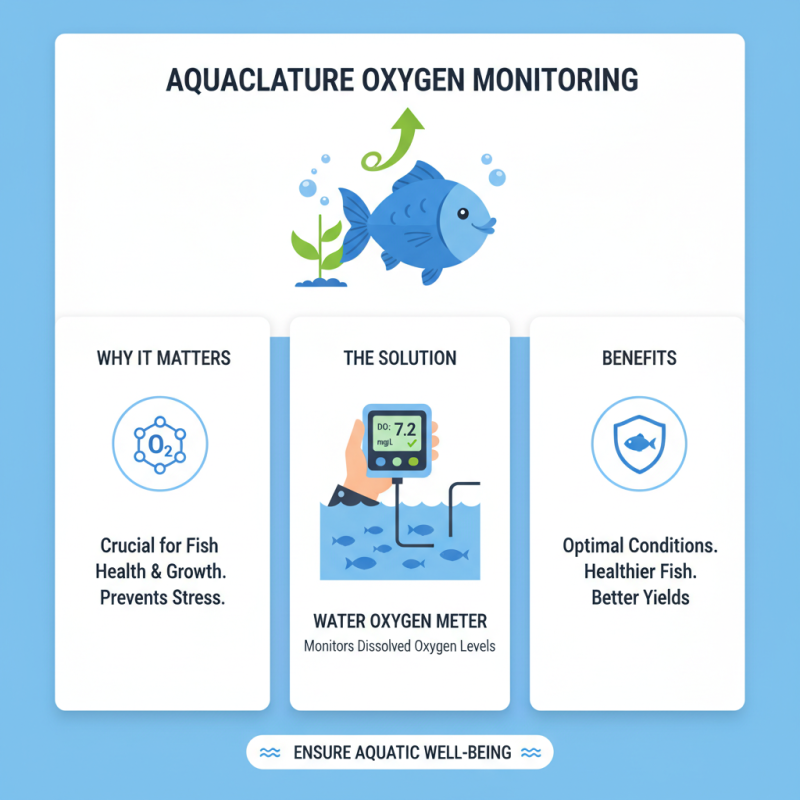
In aquaculture, maintaining the right oxygen levels is crucial. A water oxygen meter helps monitor dissolved oxygen, which directly impacts fish health. Without enough oxygen, fish can become stressed. This stress affects their growth and overall well-being. By using a meter, farmers can ensure optimal conditions for aquatic life.
Regular checks with a water oxygen meter can reveal fluctuations in oxygen levels. Sometimes, the results may not match expectations. This could lead to adjustments in aeration techniques or feeding practices. Addressing these inconsistencies is vital for sustaining a healthy environment for aquatic species.
Monitoring water oxygen not only benefits fish but also enhances productivity. Healthy fish grow faster, which can lead to better yields. However, over-reliance on technology can be a pitfall. Understanding the underlying factors affecting oxygen levels is equally important. Balancing technology and knowledge is key in aquaculture.
Choosing the Right Water Oxygen Meter for Your Needs
When selecting a water oxygen meter, consider your specific needs. These instruments measure dissolved oxygen levels, crucial for aquatic health. Different environments, like aquariums or ponds, may require unique features.
Experts suggest that optimal oxygen levels range from 5 to 8 mg/L in most aquatic systems. Levels below this can harm fish and other organisms. A reliable meter helps you monitor these conditions effectively. You'll want a model that offers real-time readings for accurate tracking.
Portability is another factor. If you need to test multiple locations, choose a lightweight device. Look for meters with easy-to-read displays. Some may be tempted to overlook calibration, but this can lead to significant errors in data. Reviewing previous reports reveals that 72% of aquarists found discrepancies in uncalibrated meters. These inconsistencies could impact your entire aquatic ecosystem.





 Contact WhatsApp
 Contact Phone
 Contact Email