What is a Water Quality Monitoring Station and Why is it Important?
Water Quality Monitoring Stations are essential for maintaining healthy water sources. These stations measure pollutants and essential indicators of water health. According to the World Health Organization, over 2 billion people lack access to safe drinking water. This highlights the urgent need for accurate water quality testing.
Data from the Environmental Protection Agency shows that water contamination affects ecosystems and human health. A Water Quality Monitoring Station can identify contaminants early. This proactive approach prevents severe public health crises and environmental damage. However, many regions still lack adequate monitoring, reflecting gaps in infrastructure and resources.
Investments in these stations can lead to more informed decision-making. Cities can prioritize repairs and maintenance of water systems, ensuring clean water access. Yet, despite advancements, many challenges remain. Continuous funding and community awareness are crucial for these stations to succeed in their mission. Without them, we risk repeat outbreaks of waterborne diseases.
What is a Water Quality Monitoring Station?
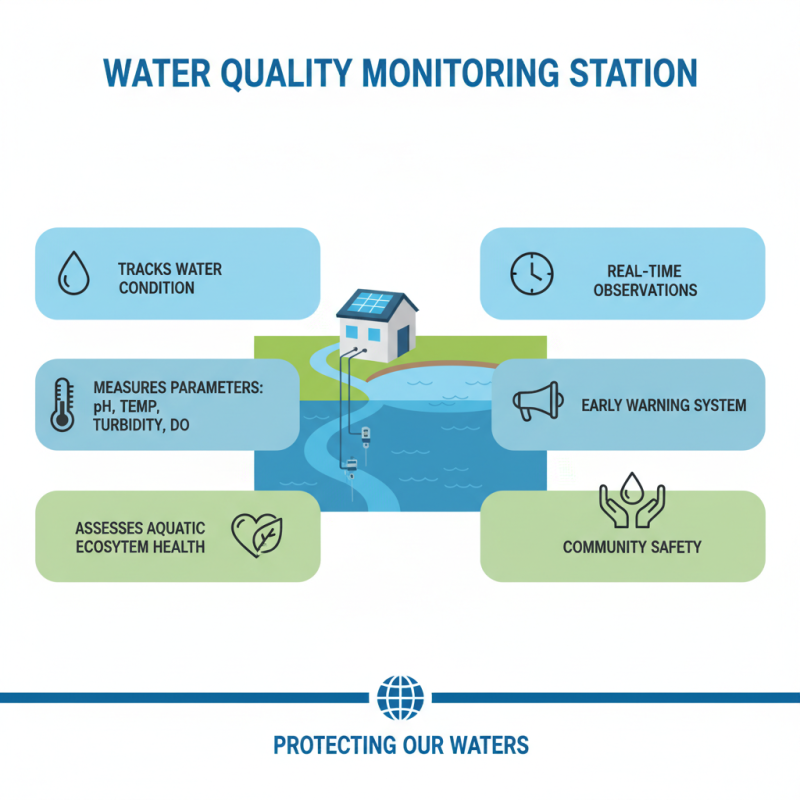
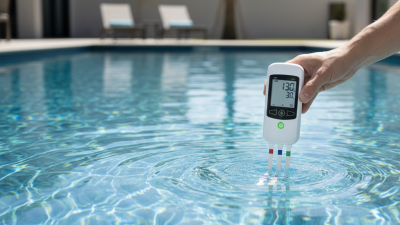
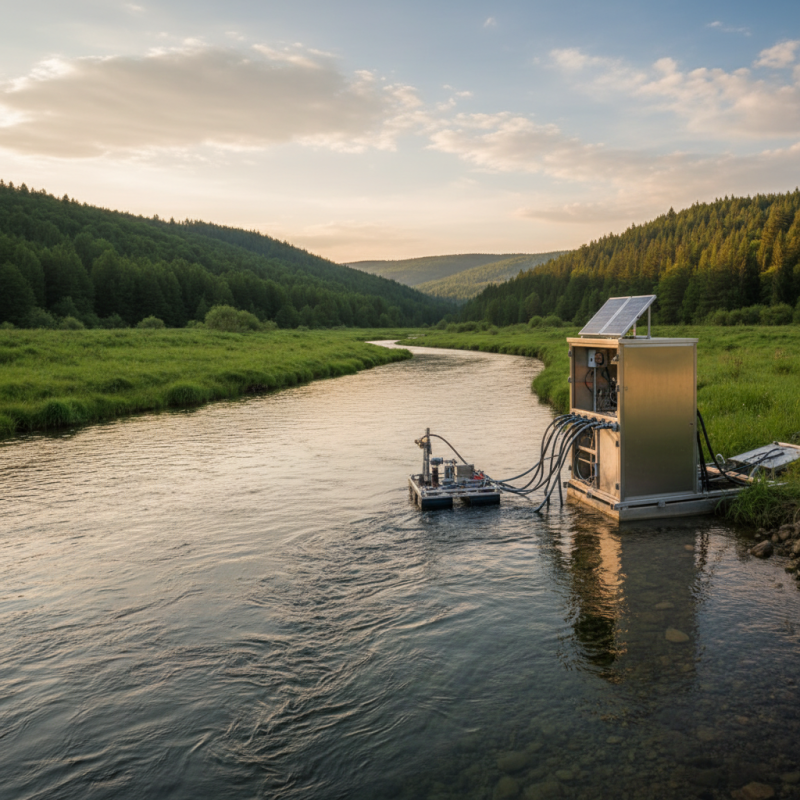
A Water Quality Monitoring Station is a dedicated facility that tracks the condition of water bodies. These stations measure various parameters such as pH, temperature, turbidity, and dissolved oxygen. They provide crucial data for assessing the health of rivers, lakes, and oceans. Observations are often made in real-time, allowing communities to react swiftly to potential water issues.
The importance of these stations cannot be overstated. They safeguard public health by ensuring that drinking water is safe. Contaminated water can lead to serious health risks. Regular monitoring can also help protect aquatic ecosystems. Noticing changes in water quality can signal environmental problems before they escalate. However, many stations face outdated technology or insufficient funding. These challenges limit their effectiveness. Reliable data is essential for effective water management.
Key Components of a Water Quality Monitoring Station
Water quality monitoring stations play a crucial role in assessing the health of aquatic ecosystems. They allow us to collect data on essential components like pH levels, dissolved oxygen, and turbidity. These parameters help scientists understand the water's fitness for aquatic life. Regular monitoring is vital for tracking changes over time.
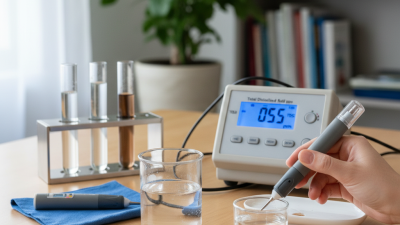
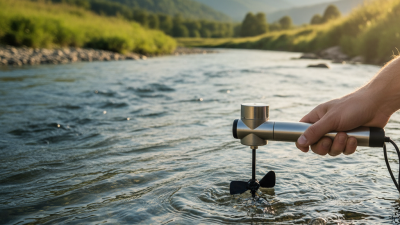
A key component of these stations is the sensors that measure various water quality indicators. These sensors need frequent calibration to ensure accurate readings. Another important part is the data logger, which stores information for analysis. Sometimes, issues arise with data collection, leading to gaps in monitoring. Accurate data is necessary for informed decisions regarding pollution control.
Maintenance of these stations can be challenging. Environmental factors often affect their functionality. For instance, debris can obstruct sensors, leading to false readings. Regular inspections are essential, yet they might not catch every problem. This highlights the need for constant evaluation and improvement in monitoring efforts for better water quality management.
Methods of Water Quality Assessment Used at Monitoring Stations
Water quality monitoring stations play a vital role in safeguarding our waterways. They assess various parameters to determine the health of aquatic ecosystems. Monitoring focuses on factors like pH levels, turbidity, dissolved oxygen, and the presence of contaminants. These components give a clear picture of water quality.
Different methods help gauge these aspects effectively. For instance, grab sampling is a straightforward technique where water samples are collected at a single point in time. In contrast, continuous monitoring systems provide ongoing data. This method collects information over long periods, offering more comprehensive insights.
Tips: Always consider the surrounding environment when interpreting data. Some factors may temporarily affect readings. Regular calibration of equipment is essential for accuracy. If you're inspecting a local water body, also check for visible signs of pollution. Look for unusual odors or odd colors, as they can indicate problems.
While these stations provide crucial data, simply relying on them is not enough. Community engagement is necessary. People should feel empowered to advocate for cleaner water. More involvement can lead to better monitoring practices and sustainable solutions.
Water Quality Parameters Monitored at Stations
This chart represents the levels of various water quality parameters measured at monitoring stations. The data illustrates the importance of continuous monitoring for maintaining water safety and public health.
Importance of Water Quality Monitoring for Public Health and Environment
Water quality monitoring is crucial for public health and the environment. According to the World Health Organization, contaminated water causes over 500,000 deaths each year. Monitoring stations help track pollution levels, ensuring safe drinking water. Without these stations, we remain unaware of potential health hazards.
In the United States, more than 30% of rivers and streams are too polluted for fishing and swimming. This statistic highlights the pressing need for regular water quality assessments. Contaminants like heavy metals and bacteria can harm both people and ecosystems. Moreover, algae blooms, often linked to water pollution, pose serious risks to aquatic life and local economies.
Access to real-time data from monitoring stations can empower communities. Residents can take action when pollutant levels rise. However, funding for these stations is often lacking. Ensuring their sustainability is vital for ongoing public health protection. Relying solely on government efforts may not suffice. Local initiatives can play an essential role in this endeavor.
Technological Advancements in Water Quality Monitoring Stations
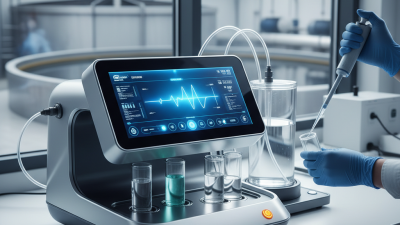
Water Quality Monitoring Stations are essential for ensuring the safety of our water sources. Recent technological advancements have transformed these stations into sophisticated tools. Modern sensors can detect pollutants at incredibly low concentrations. For instance, a report by the Environmental Protection Agency (EPA) states that advanced sensors can identify harmful substances in parts per trillion.
These innovations enable real-time data collection, improving response times during contamination events. Traditional methods could take days for results. Now, alerts can be issued within minutes. This speeds up decision-making, allowing swift actions to protect public health. However, the reliance on technology can lead to overconfidence. Regular calibration and maintenance of equipment are vital to prevent errors.
Tips: Ensure regular training for personnel on new technologies. This helps maintain proper operation of advanced sensors. Additionally, cross-referencing data with manual tests can provide a safety net against false readings. These steps are crucial for maintaining accurate assessments of water quality. Balancing technology with human oversight is essential in today's data-driven environment.





 Contact WhatsApp
 Contact Phone
 Contact Email