






Industry News

Ammonia Nitrogen: A "Key Benchmark" for Water Environment Health in Multiple Industries, LuminSens NH4 - N Sensor Provides Accurate Monitoring Solutions
Ammonia nitrogen (nitrogen compounds existing in forms such as NH4+ ), as a core carrier of the nitrogen cycle in water bodies, plays a "benchmark" role in the development and ecological security of multiple industries including water environment governance, sewage treatment, aquaculture, and agricultural production. Its concentration changes are directly related to the core benefits and environmental risks of these industries.
ORP Water Sensor – The "Intelligent Eye" of the Water Industry
In the field of water environment monitoring and governance, Oxidation-Reduction Potential (ORP) is a core indicator reflecting the chemical state of water, just like a "chemical barometer" of water bodies — it represents the relative proportion of oxidized and reduced substances in a solution. The higher the value (positive value), the stronger the oxidation capacity of the water; the lower the value (negative value), the stronger the reduction capacity.
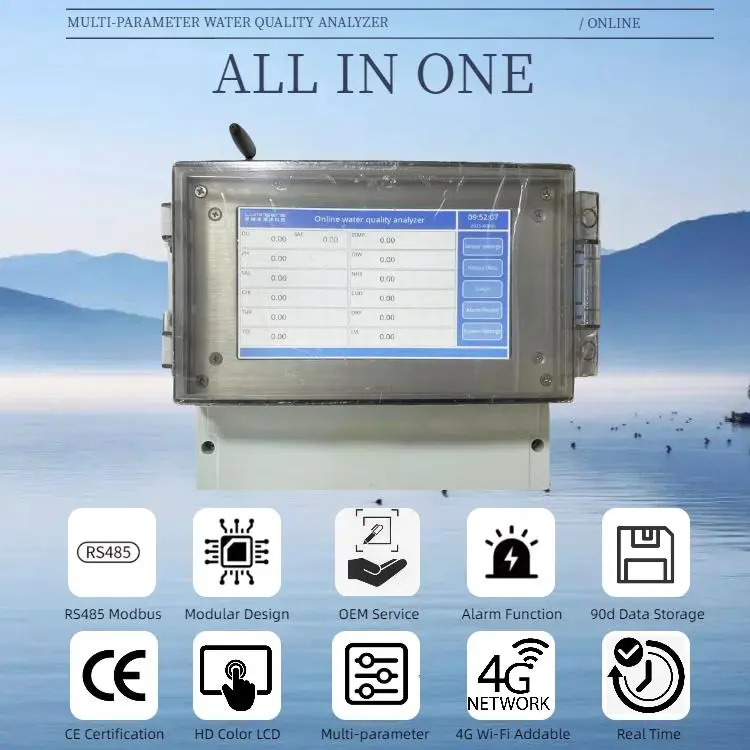
The "Systematic Solution" for Multi - Parameter Water Quality Monitoring — Insights from the Evolution of Online Touch - Screen Analyzers
In the precision - driven evolution of water environment governance, water quality monitoring has transcended “point - like observation” of single parameters, entering an era of “systematic decoding” through multi - dimensional collaboration. As eutrophication in rivers demands simultaneous analysis of DO, pH, and turbidity correlations, and corrosion risks in industrial circulating water rely on the coupling of conductivity and hardness, the “data silo” flaw of traditional decentralized monitoring devices has become increasingly prominent. The Online Touch Screen Water Quality Multi-Parameter Analyzer (LMS - OA200T), as a mature technical solution in the industry, provides a replicable model for the efficiency revolution in water quality monitoring through “integrated architecture + intelligent interaction + scenario - specific adaptation”.
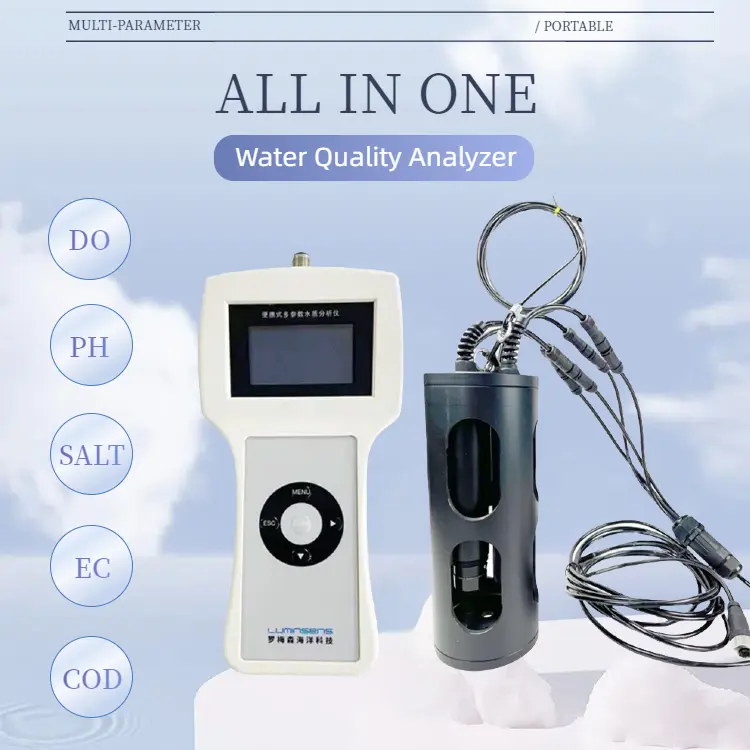
LMS-PA100P Handheld Water Quality Analyzer Garners Rave Reviews: Portability and Precision Shine as Industry Highlights
Recently, the LMS-PA100P Portable Multi-Parameter Water Quality Analyzer developed by Luminsens has been continuously receiving acclaim from customers in scenarios such as environmental monitoring, aquaculture, and scientific research.
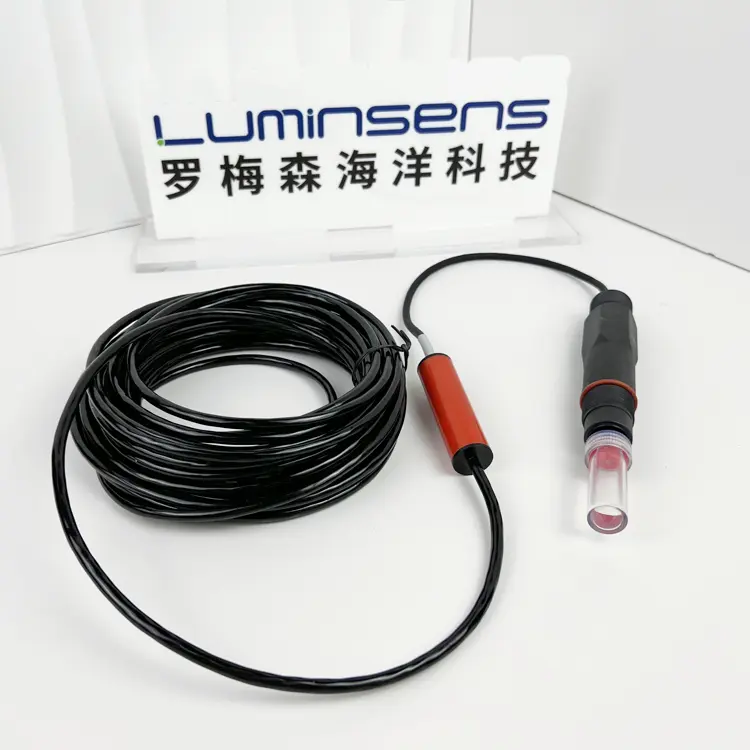
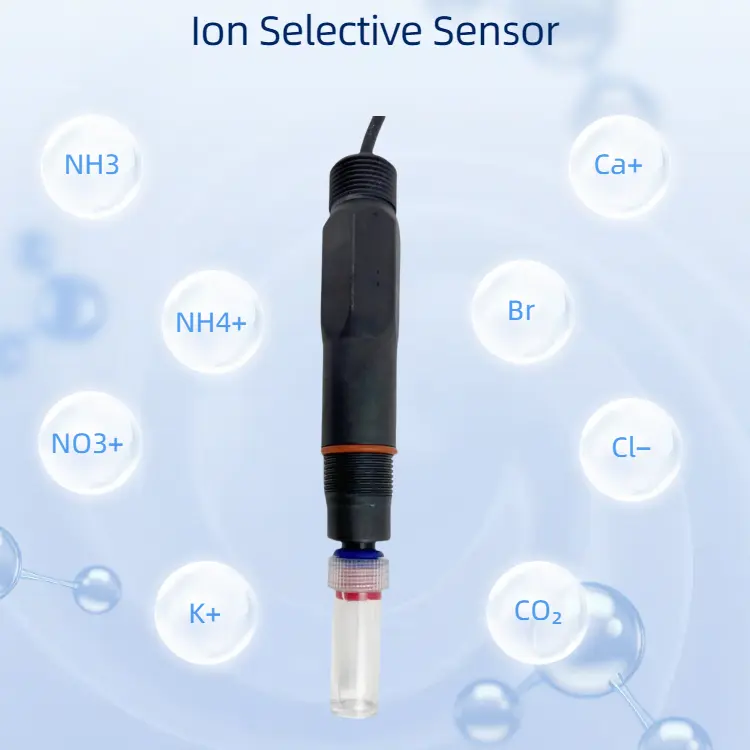
Ion Selective Sensor: Unlock the "Ion Code" of Water Quality Monitoring to Precisely Empower Water Environment Governance
In the field of water environment governance and water quality monitoring, accurately capturing the concentration and changes of various ions in water is a key link to ensure water quality safety and promote water ecological protection. As a core technical product for water quality monitoring, the Ion Selective Sensor has become the focus of the industry with its high-sensitivity detection capability for specific ions.
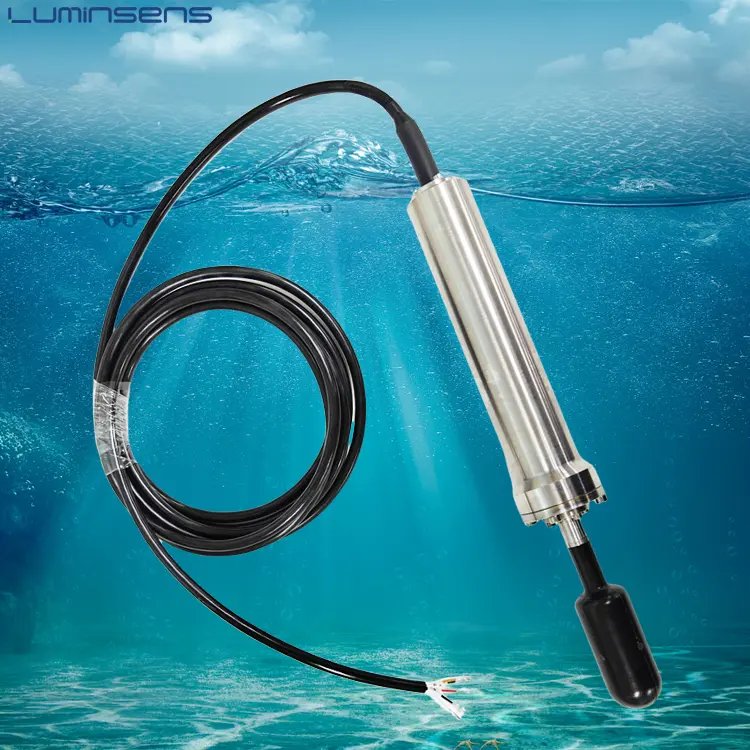
Ocean Current Sensors: Decoding the Ocean's Pulse, Navigating a Sustainable Blue Future
Ocean currents, the dynamic flows of seawater, are vital components of Earth's climate system, influencing weather patterns, ecosystems, and maritime safety. Precisely measuring the speed and direction of these invisible forces is crucial for scientific research, environmental monitoring, ocean engineering, and fisheries. But how do scientists and engineers accurately capture this data in the deep, high-pressure, saltwater environment? The answer lies in a sophisticated instrument: the Electromagnetic (EM) Current Meter.
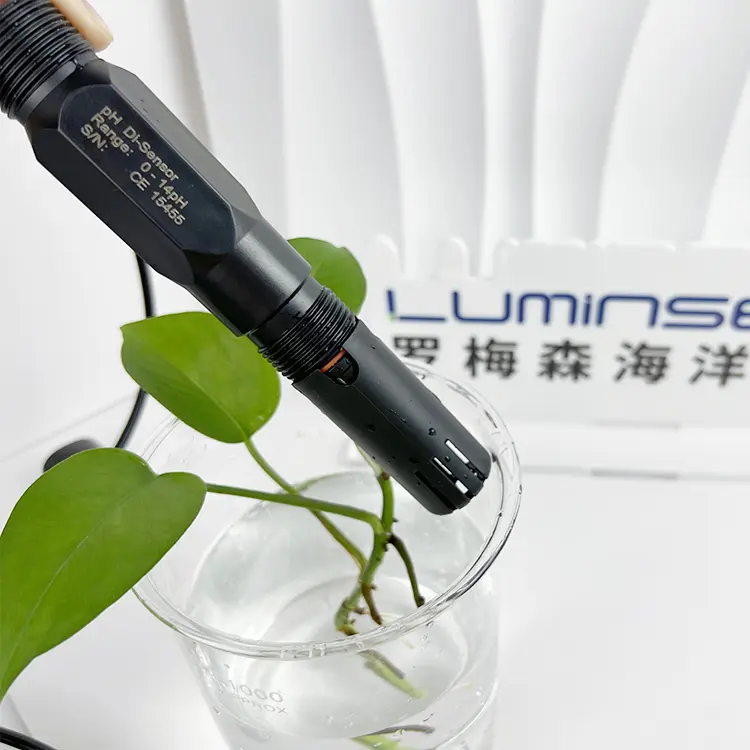
The "Touchstone" of Water Health: Demystifying pH Sensors
The safety and health of our daily drinking water, rivers and lakes, and even swimming pools are closely tied to a crucial indicator—pH level. Today, let's uncover the mystery of the pH sensor, understanding this "invisible sentinel" guarding water quality safety.
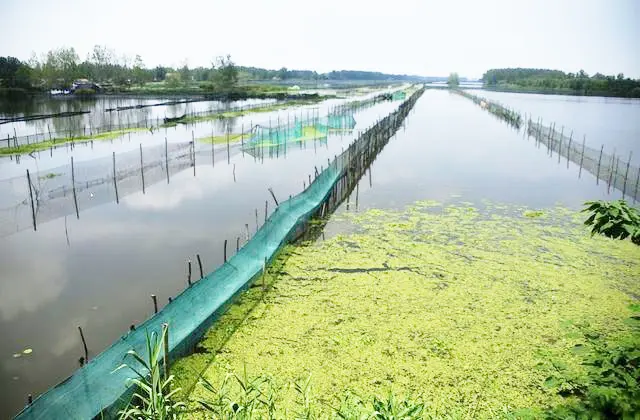
Blue - Green Algae Sensor: Accurately Addressing Blue - Green Algae Proliferation in Ponds, A New Tool for Safeguarding Aquatic Ecosystems
Blue - Green Algae Bloom in Ponds: Ecological Threats and Monitoring Needs
In the ecosystems of aquaculture ponds and landscape ponds, the massive proliferation of blue - green algae has become a frequent and tricky problem. In terms of causes, eutrophication is the core driver. Agricultural non - point source pollution (such as fertilizers flowing in with rainwater), aquaculture tailwater discharge (excessive feeding leading to nitrogen and phosphorus enrichment), and domestic sewage leakage continuously input nutrients like nitrogen and phosphorus into the water body. When the water temperature is in the range of 25 - 35℃ and the water body has poor fluidity (such as low frequency of pond water exchange and insufficient water power), blue -green algae will take advantage of these "nutrients" and suitable environments to enter a stage of explosive growth.
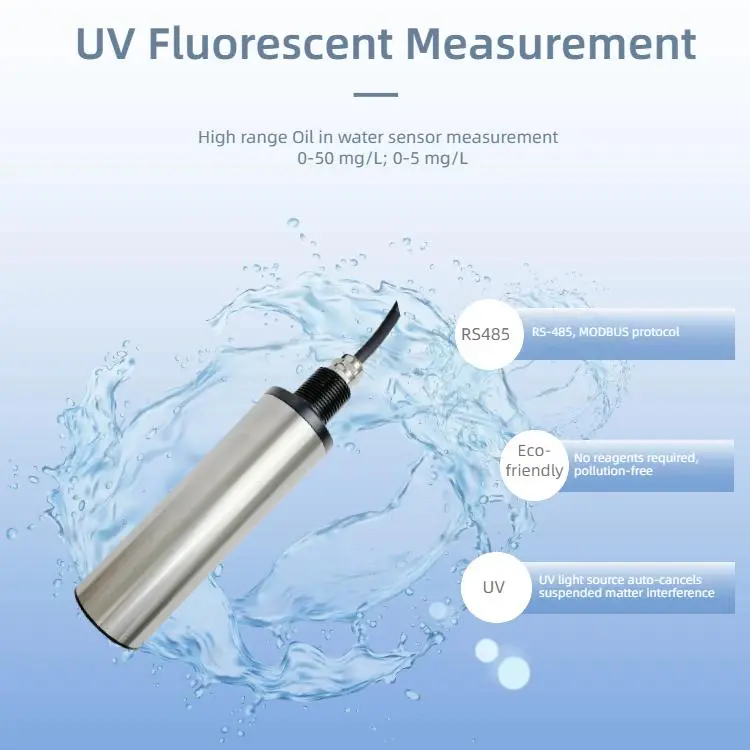
Oil in Water Sensors: A Comprehensive Analysis of Working Principles and Operation Techniques
In today's era with increasingly stringent requirements for water quality, Oil In Water Sensor, as key devices for monitoring the content of oil substances in water, play an indispensable role in many fields such as environmental protection, industrial production, and water quality monitoring. A deep understanding of their working principles and operation techniques is of great significance for ensuring their efficient and accurate operation.
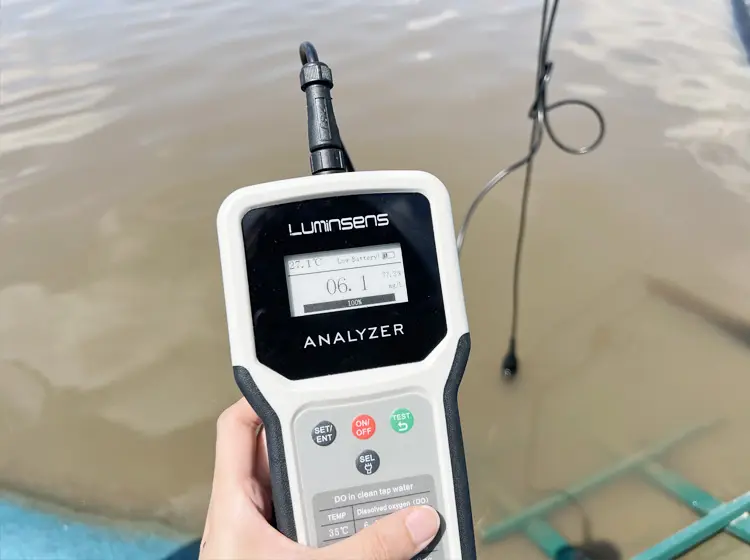
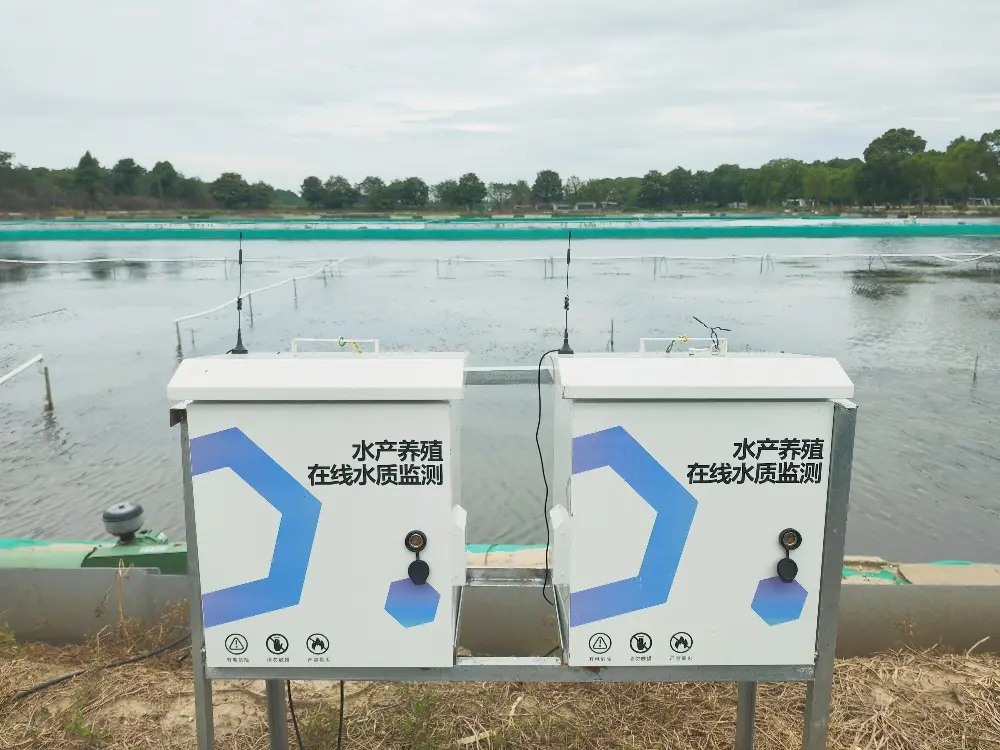
Water Quality Monitoring Parameters in Recirculating Aquaculture Systems
In recirculating aquaculture systems (RAS), the stability and controllability of water quality are core elements to ensure the healthy growth of cultured organisms and improve aquaculture efficiency. Scientific and effective water quality monitoring relies on precise control of key parameters. The following details the key water quality parameters that need to be monitored in recirculating aquaculture systems.