






Ammonia Nitrogen: A "Key Benchmark" for Water Environment Health in Multiple Industries, LuminSens NH4 - N Sensor Provides Accurate Monitoring Solutions
Ammonia nitrogen (nitrogen compounds existing in forms such as NH4+ ), as a core carrier of the nitrogen cycle in water bodies, plays a "benchmark" role in the development and ecological security of multiple industries including water environment governance, sewage treatment, aquaculture, and agricultural production. Its concentration changes are directly related to the core benefits and environmental risks of these industries.

In Water Environment Governance
Ammonia nitrogen is a core indicator for assessing water pollution and eutrophication. In natural water bodies, if the concentration of ammonia nitrogen exceeds the standard, it will accelerate the rampant growth of algae and other plankton, causing a sharp drop in dissolved oxygen in the water, which in turn leads to the massive death of fish and other aquatic organisms and destroys the ecological balance of rivers and lakes. For example, if ammonia nitrogen in urban landscape rivers is out of control, phenomena such as "water blooms" and "black - odorous water" are likely to occur, seriously affecting the human settlement environment and ecological appearance. Therefore, ammonia nitrogen monitoring is the premise of "precise pollution control" in the water environment of river basins.
In the Sewage Treatment Industry
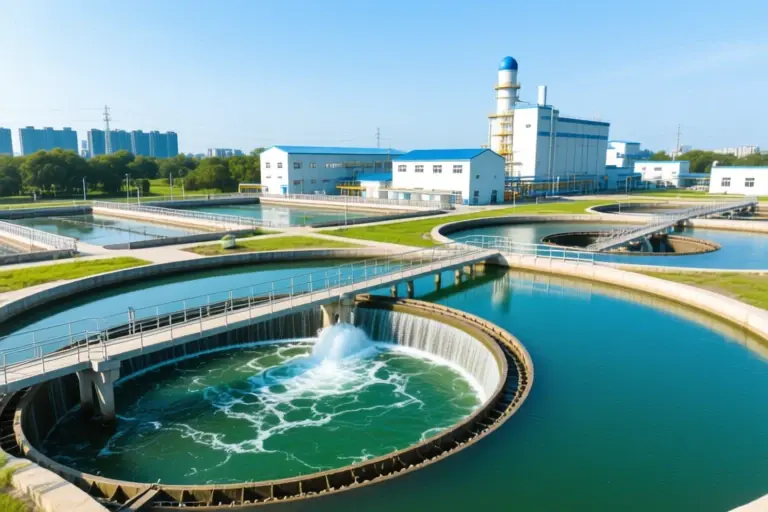
Ammonia nitrogen is a key parameter for process regulation. Municipal sewage treatment plants need to convert ammonia nitrogen into harmless nitrogen through processes such as biological denitrification. If the concentration of influent ammonia nitrogen fluctuates too much or the effluent fails to meet the standard, it will not only increase the treatment cost, but also may face penalties for violating environmental emission standards. The composition of ammonia nitrogen in industrial wastewater from chemical, pharmaceutical, food processing and other industries is more complex and the concentration is higher. Accurate monitoring of ammonia nitrogen concentration is a core link in optimizing treatment processes and ensuring the discharge of wastewater up to standard.
In the Aquaculture Industry
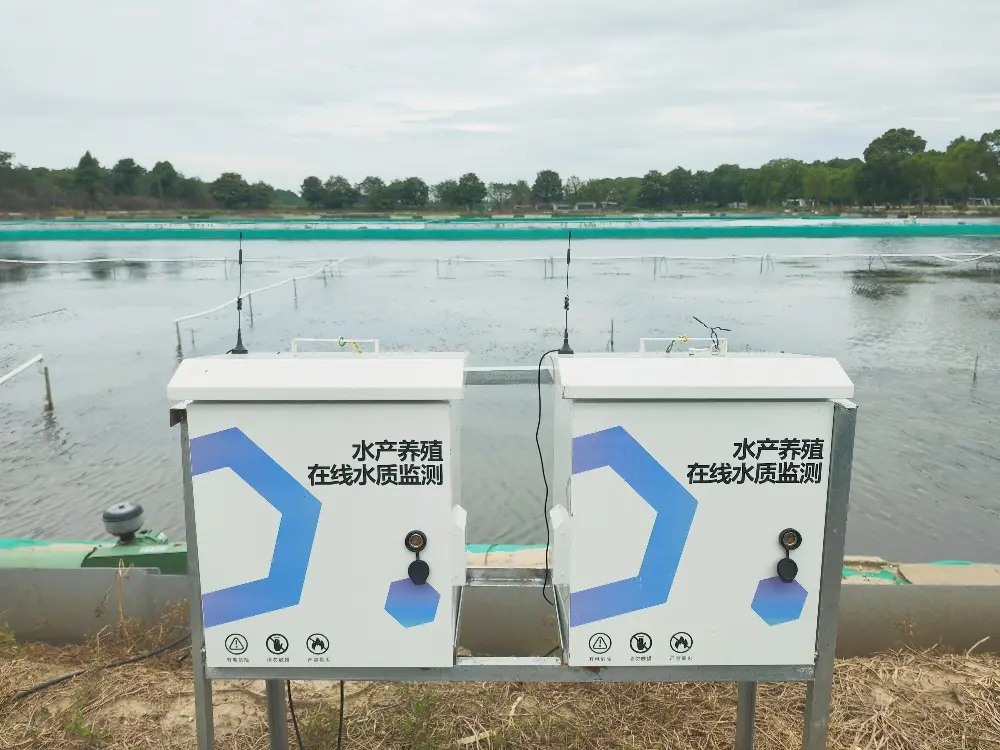
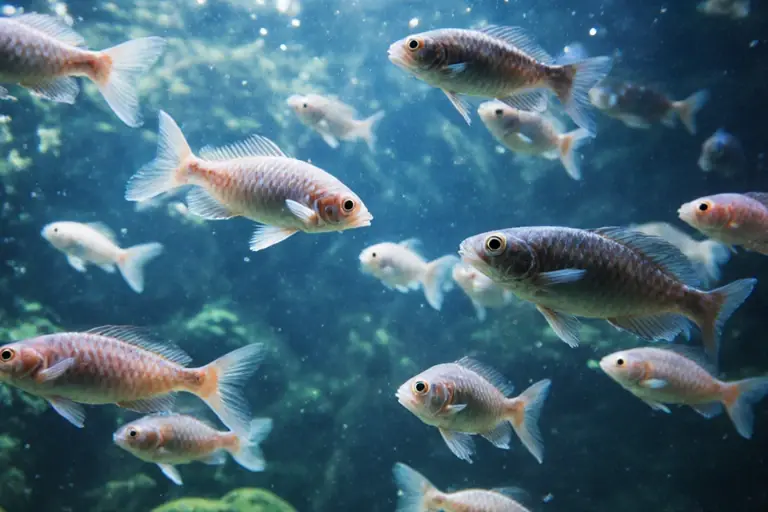
Ammonia nitrogen is an "invisible killer" affecting the survival of cultured animals. Aquatic animals such as fish, shrimp, and crabs that live in water with excessive ammonia nitrogen for a long time will suffer from respiratory disorders, decreased immunity, slow growth, and even death. Breeders need to grasp the ammonia nitrogen level of the water body in real time and take measures such as water change and addition of regulators in a timely manner, and accurate ammonia nitrogen data is the key to ensuring the success rate of breeding and improving economic benefits.

In Agricultural Production
Ammonia nitrogen is closely related to nitrogen fertilizer utilization and farmland non - point source pollution. After excessive application of nitrogen fertilizer in farmland, ammonia nitrogen will enter the surrounding water bodies with surface runoff or underground infiltration, becoming an important source of agricultural non - point source pollution; At the same time, the dynamic changes of ammonia nitrogen in the soil also affect the absorption efficiency of nitrogen by crops. Reasonable monitoring of ammonia nitrogen can assist in optimizing fertilization schemes and achieve a balance between "increasing production" and "environmental protection".
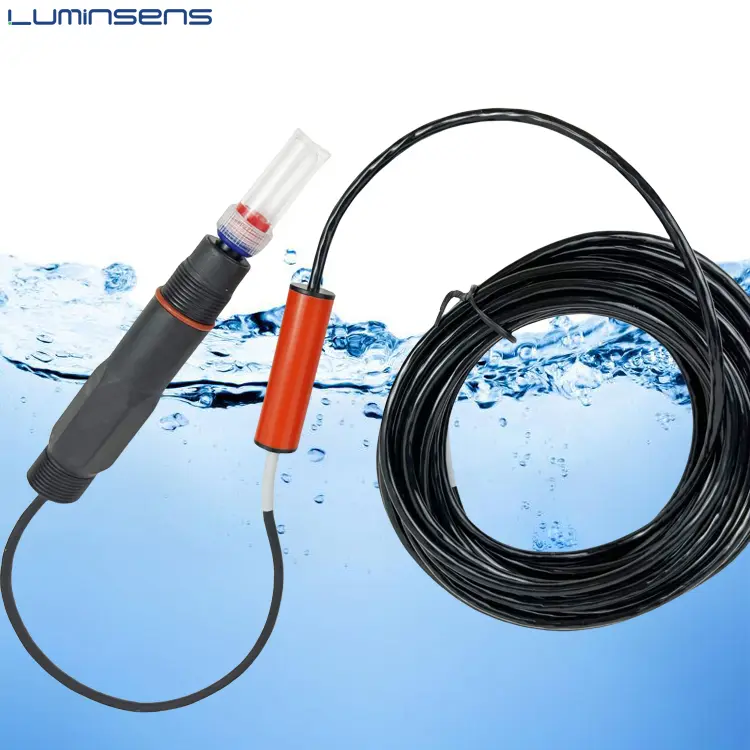
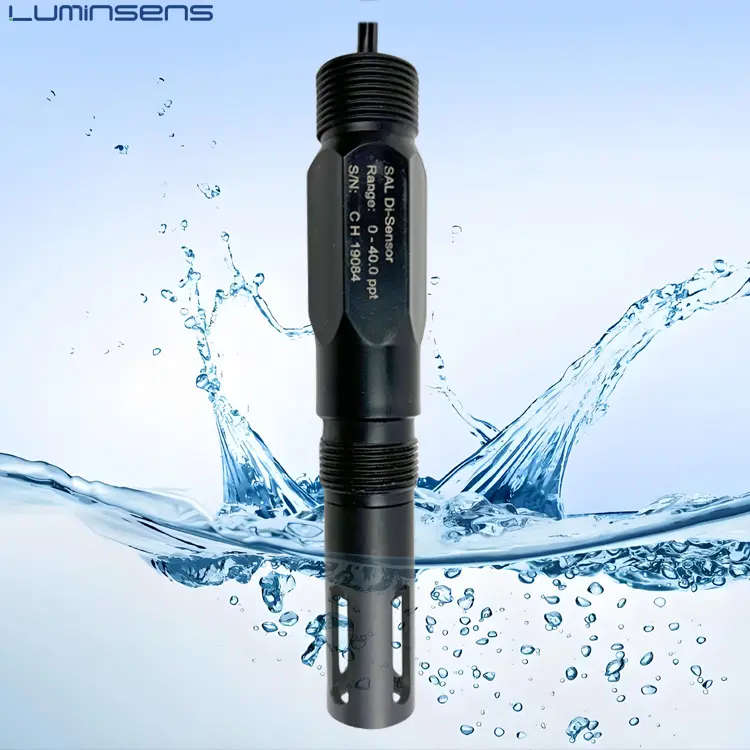
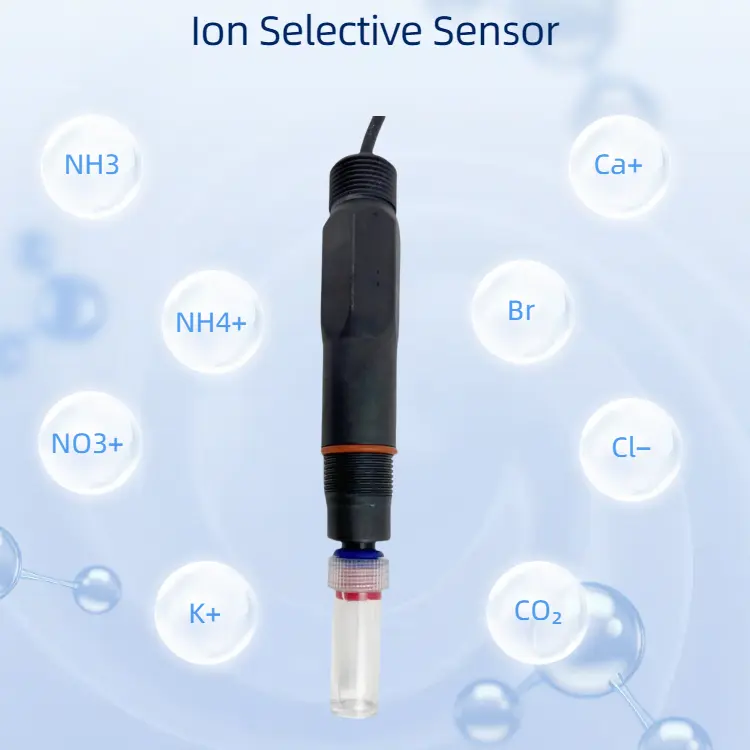
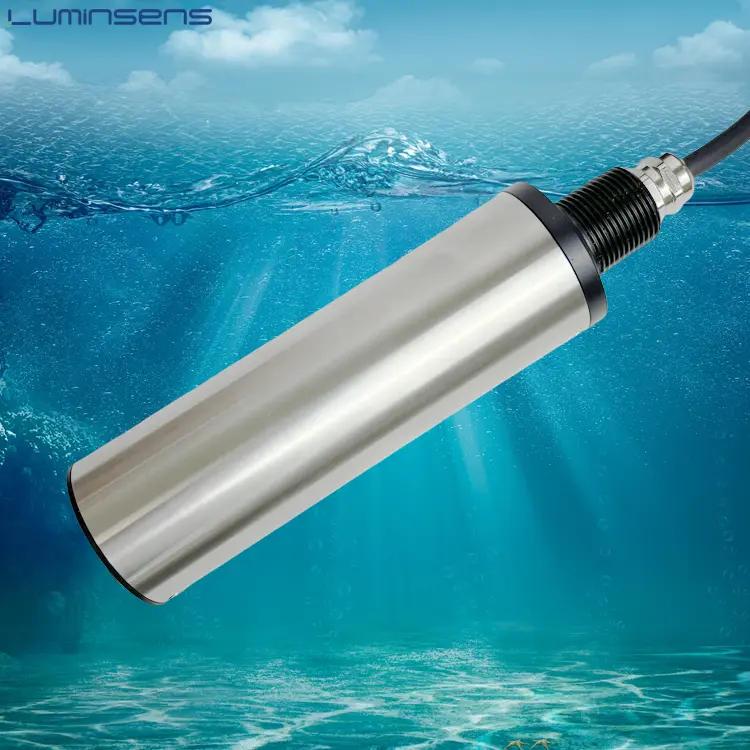
It can be seen that the accurate monitoring of ammonia nitrogen is the core demand for multiple industries to safeguard water environment health and ensure production benefits. The NH4 - N Ammonia Nitrogen Water Quality Sensor launched by LuminSens takes the ionic electrode method as the technical core to realize in - situ, real - time and accurate ammonia nitrogen detection, covering a wide range of 0 - 1000 mg/L with an accuracy of ±5% F.S. At the same time, it has the advantages of environmental - friendly design, flexible calibration, strong anti - interference, and multi - system compatibility, providing reliable ammonia nitrogen monitoring solutions for water environment governance, sewage treatment, aquaculture, agriculture and other industries, and helping various fields achieve efficient and green development goals.