





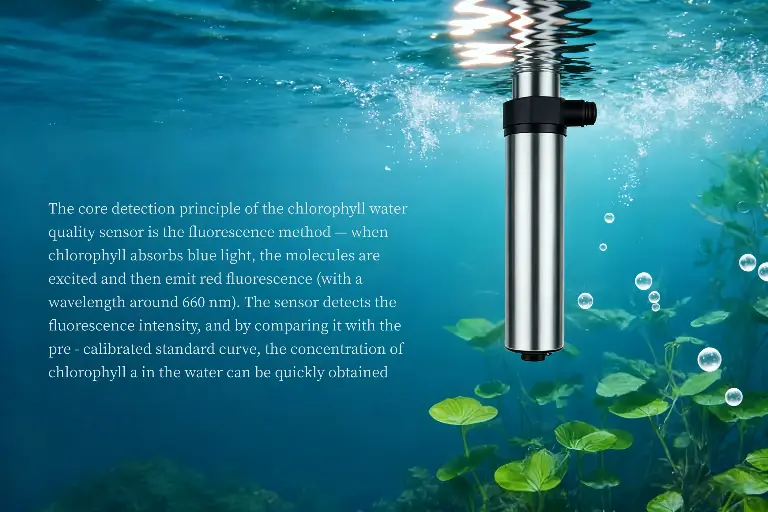

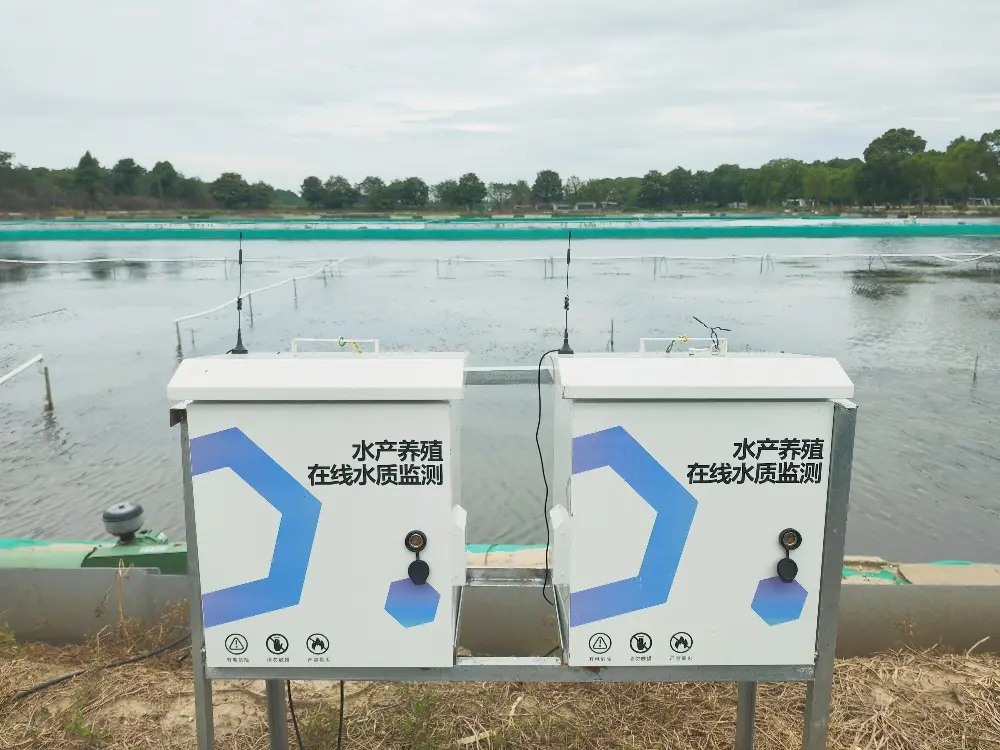
Blue - Green Algae Sensor: Accurately Addressing Blue - Green Algae Proliferation in Ponds, A New Tool for Safeguarding Aquatic Ecosystems
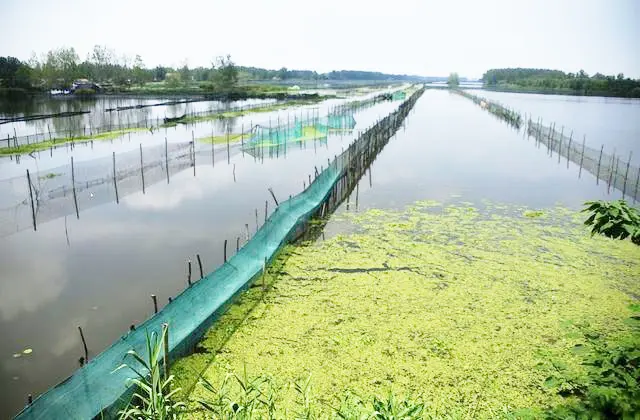
Blue - Green Algae Bloom in Ponds: Ecological Threats and Monitoring Needs
In the ecosystems of aquaculture ponds and landscape ponds, the massive proliferation of blue - green algae has become a frequent and tricky problem. In terms of causes, eutrophication is the core driver. Agricultural non - point source pollution (such as fertilizers flowing in with rainwater), aquaculture tailwater discharge (excessive feeding leading to nitrogen and phosphorus enrichment), and domestic sewage leakage continuously input nutrients like nitrogen and phosphorus into the water body. When the water temperature is in the range of 25 - 35℃ and the water body has poor fluidity (such as low frequency of pond water exchange and insufficient water power), blue -green algae will take advantage of these "nutrients" and suitable environments to enter a stage of explosive growth.
The harm of blue - green algae bloom is extremely destructive: On one hand, they frantically occupy the water body space, resulting in insufficient light and nutrients for other plankton and aquatic plants, disrupting the ecological chain balance; On the other hand, when blue - green algae die and decompose, they consume a large amount of dissolved oxygen, causing a sudden drop in water dissolved oxygen, leading to oxygen deficiency and floating of cultured fish and shrimp and other aquatic organisms, and even death, bringing huge economic losses to aquaculture. At the same time, the algal toxins produced by blue - green algae will also pollute the water body and the surrounding environment, threatening human health. Under this background, accurate, real - time, and long - term monitoring of blue - green algae has become a rigid demand for protecting the ecological safety of ponds, and is a key prerequisite for preventing blue - green algae disasters and ensuring the health of aquaculture and landscape waters.
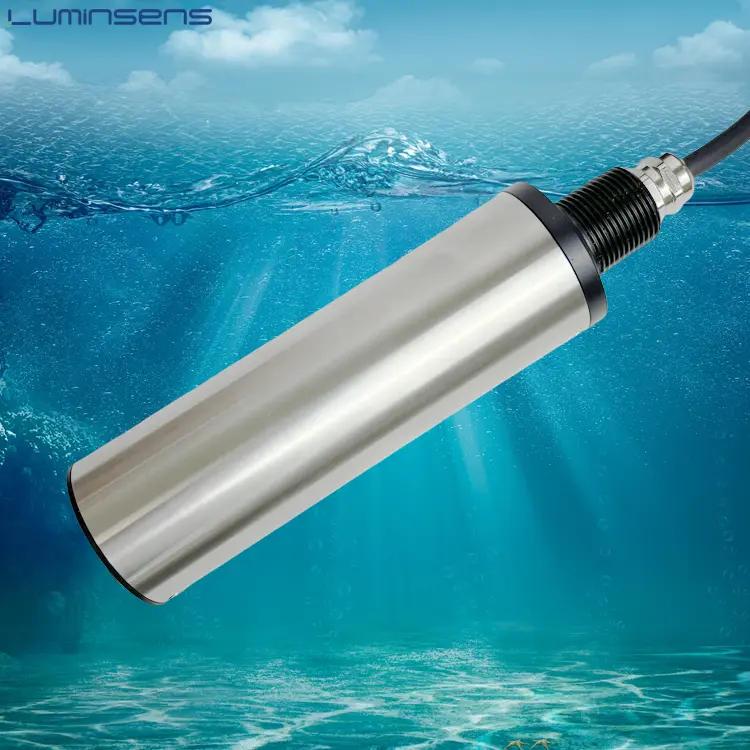
Blue - Green Algae Sensor: Innovation for Monitoring
The BGA Sensor (Model LMS - BGA100) addresses these challenges with advanced features:
- Accurate Detection
Using a single UV light source, it bypasses suspended matter (sediment, debris) interference. Unlike traditional methods prone to errors, it delivers stable, reliable data on algae cell concentrations.
- Eco - Friendly & Cost - Effective
It needs no chemical reagents, cutting costs and eliminating pollution. Ideal for long - term, sustainable pond management in aquaculture and landscaping.
- Continuous Online Monitoring
Enables 24/7 real - time tracking, breaking manual sampling limits. Alerts trigger fast action (e.g., water exchange, treatment) to curb blooms, keeping ecosystems monitored and manageable.
- Stable Long - Term Use
With automatic turbidity compensation and a self - cleaning device, it resists pond turbidity changes and biofouling. Ensures accuracy over months/years for research and management.
- Flexible Deployment
Covering 0 - 2,000,000 cells/ml and 0 - 50℃, it suits diverse pond conditions. Powered by 9 - 24VDC (12VDC recommended), made of corrosion - resistant 316L stainless steel, and sized 48mm*125mm, it deploys easily—submersibly at pond bottoms or on buoys.
Application Value: Empowering Pond Management
The sensor integrates into pond care:
Aquaculture: Lets farmers adjust water quality (oxygen, feeding) to prevent losses.
Landscaping: Helps managers maintain clear, safe water for aesthetics.
Research: Provides data for algae studies and ecological restoration.
With precision, eco - friendliness, and durability, it’s a “tech sentinel” for pond health, supporting sustainable aquaculture and landscaping.
In short, the LMS - BGA100 solves algae monitoring woes. It meets ecological management needs, protecting ponds and enabling efficient, green water care.