






Impact of Marine Biofouling on Water Quality Sensors and Solutions - Analysis of Dissolved Oxygen Fluorescence Sensor by Qingdao Luminsens Marine Technology Company
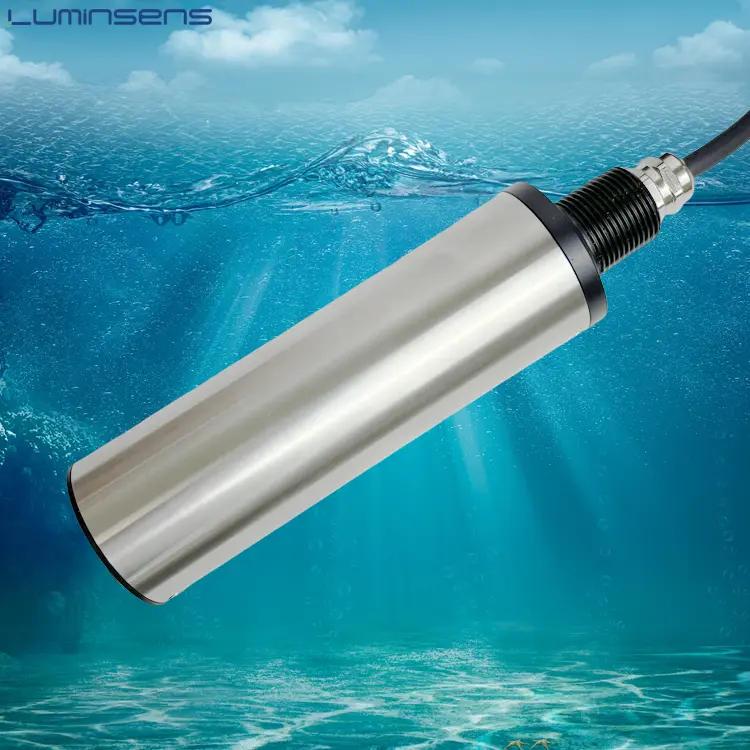
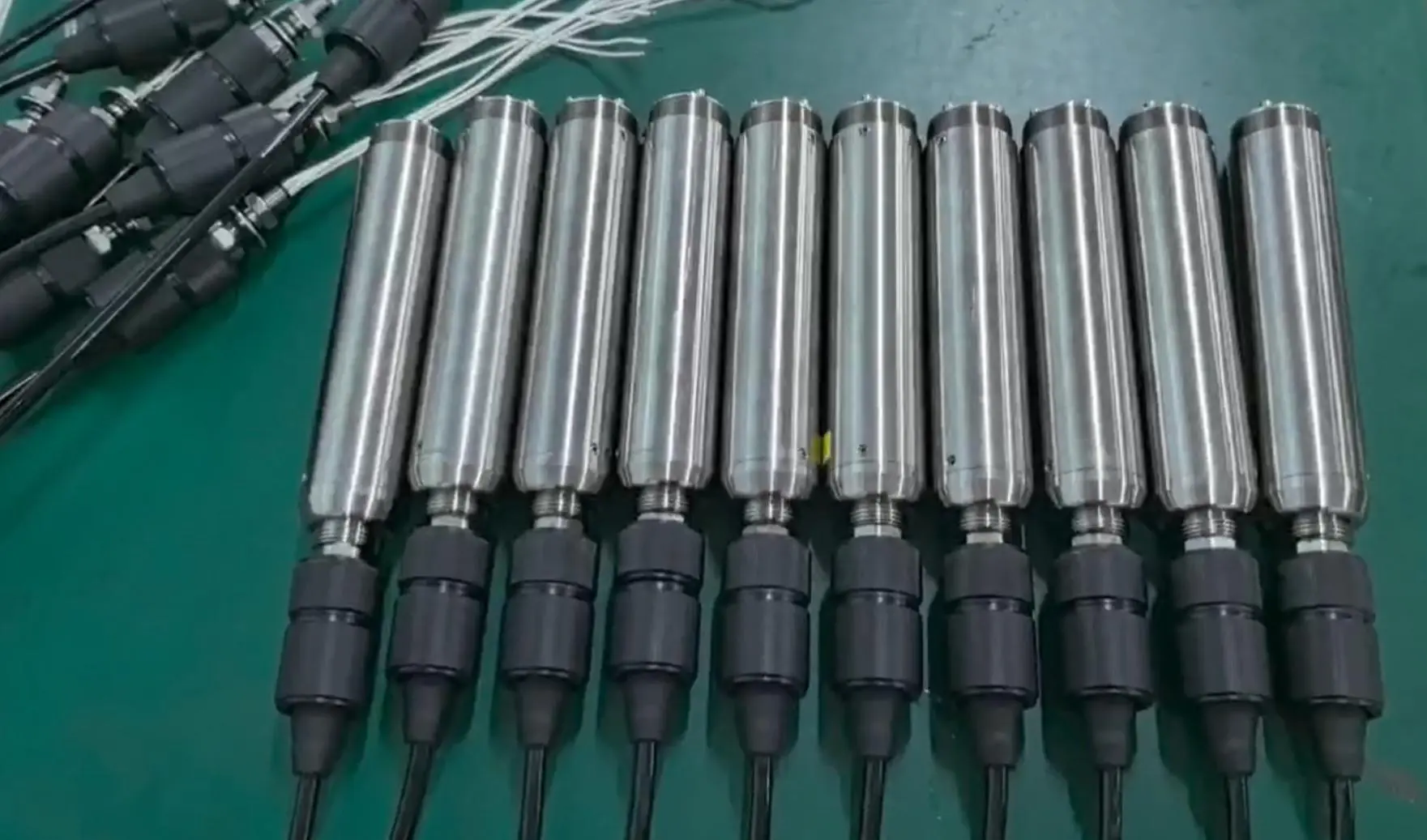
In the global field of marine ecological monitoring and water environment management, biofouling-induced sensor failure has become a recognized technical bottleneck. Qingdao LUMINSENS Marine Technology Co., Ltd. has successfully developed a dissolved oxygen (DO) fluorescence sensor with revolutionary antibacterial performance through industry-university-research integration, surpassing international counterparts in core technical indicators and providing full-cycle reliable monitoring solutions for marine ranching, wastewater treatment, ecological research, and other scenarios.
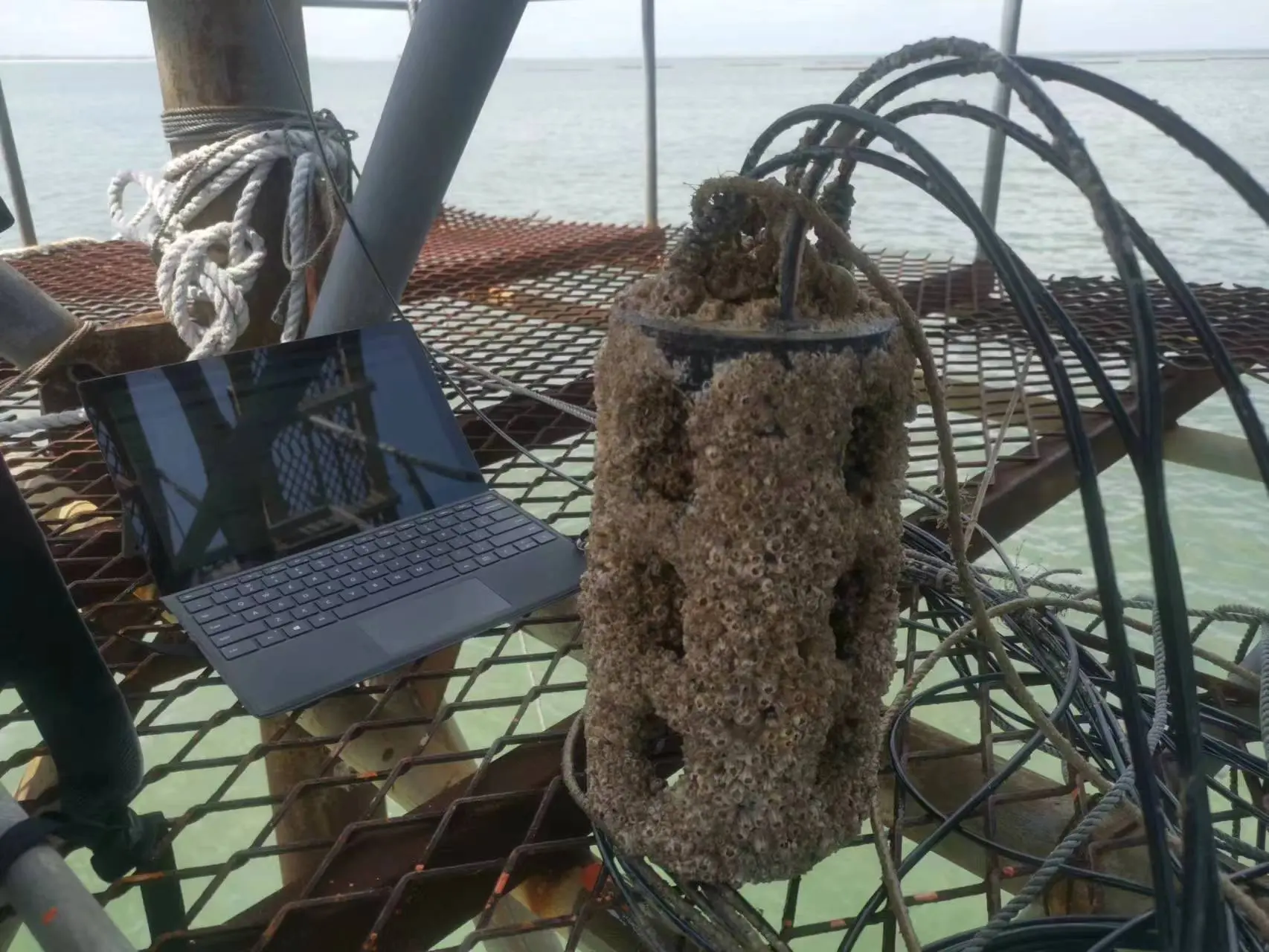
1. The Biofouling Crisis: Chain Reaction from Principle Interference to Industrial Loss
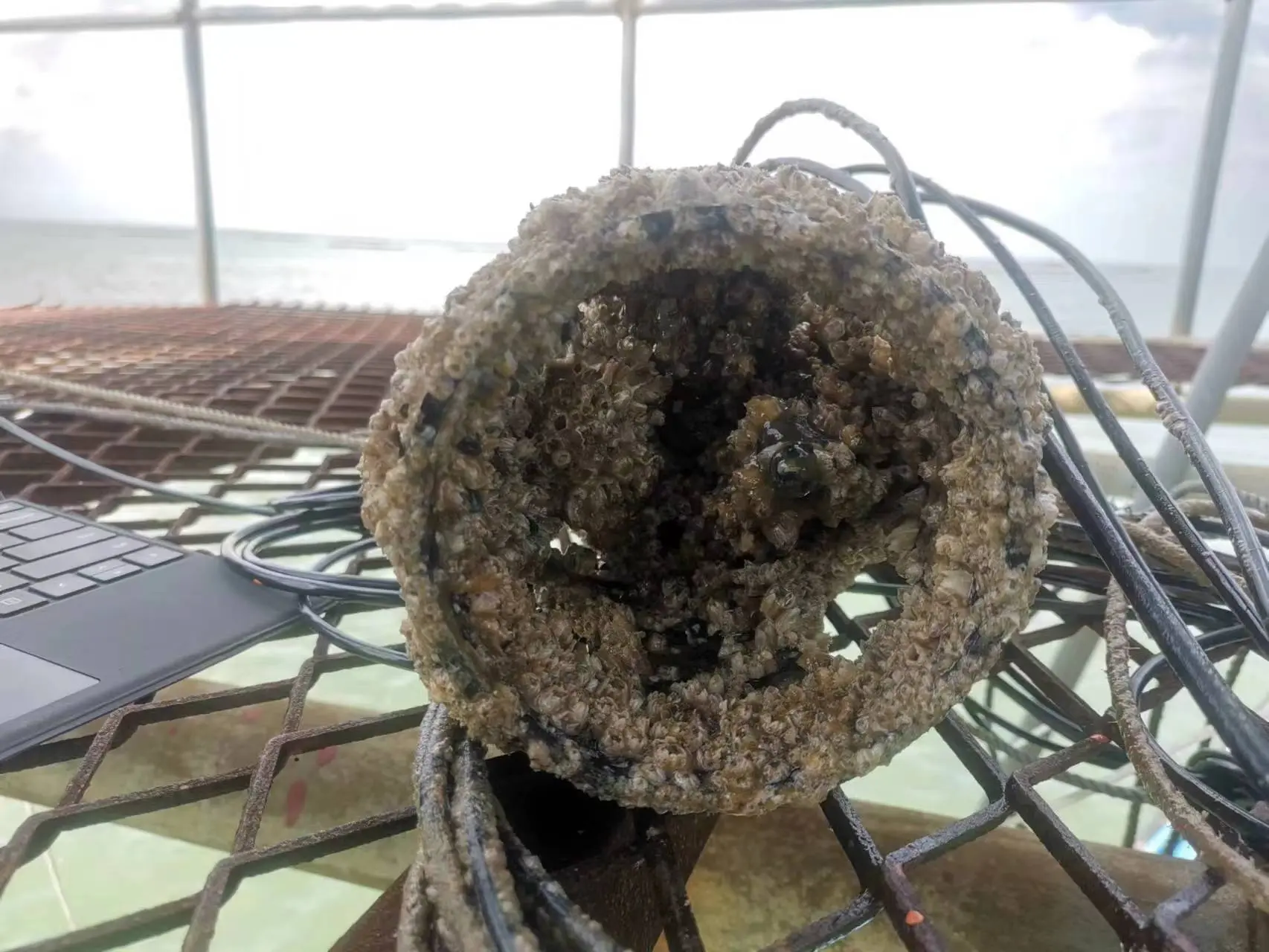
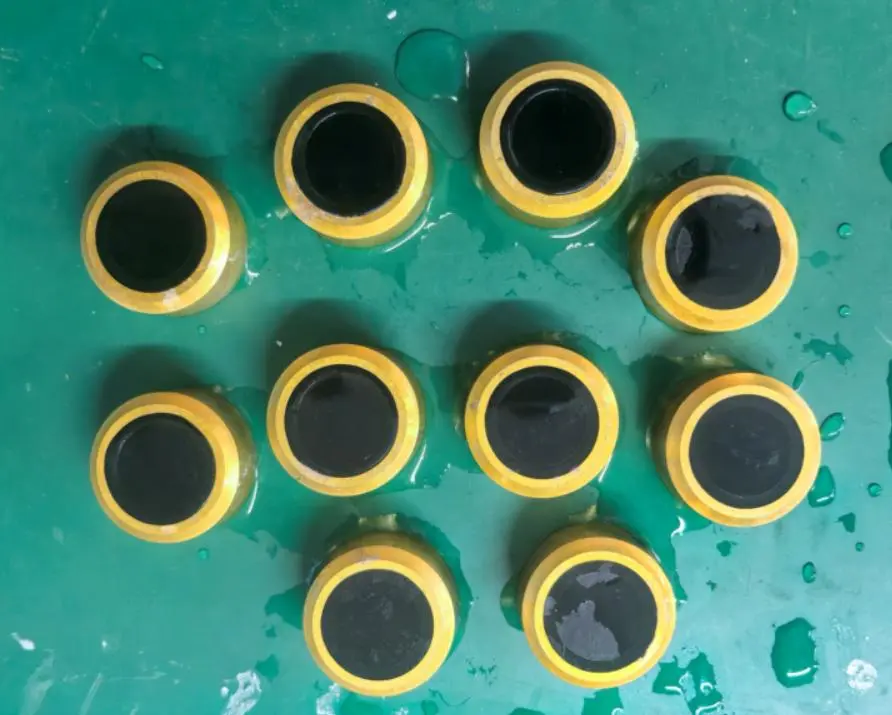
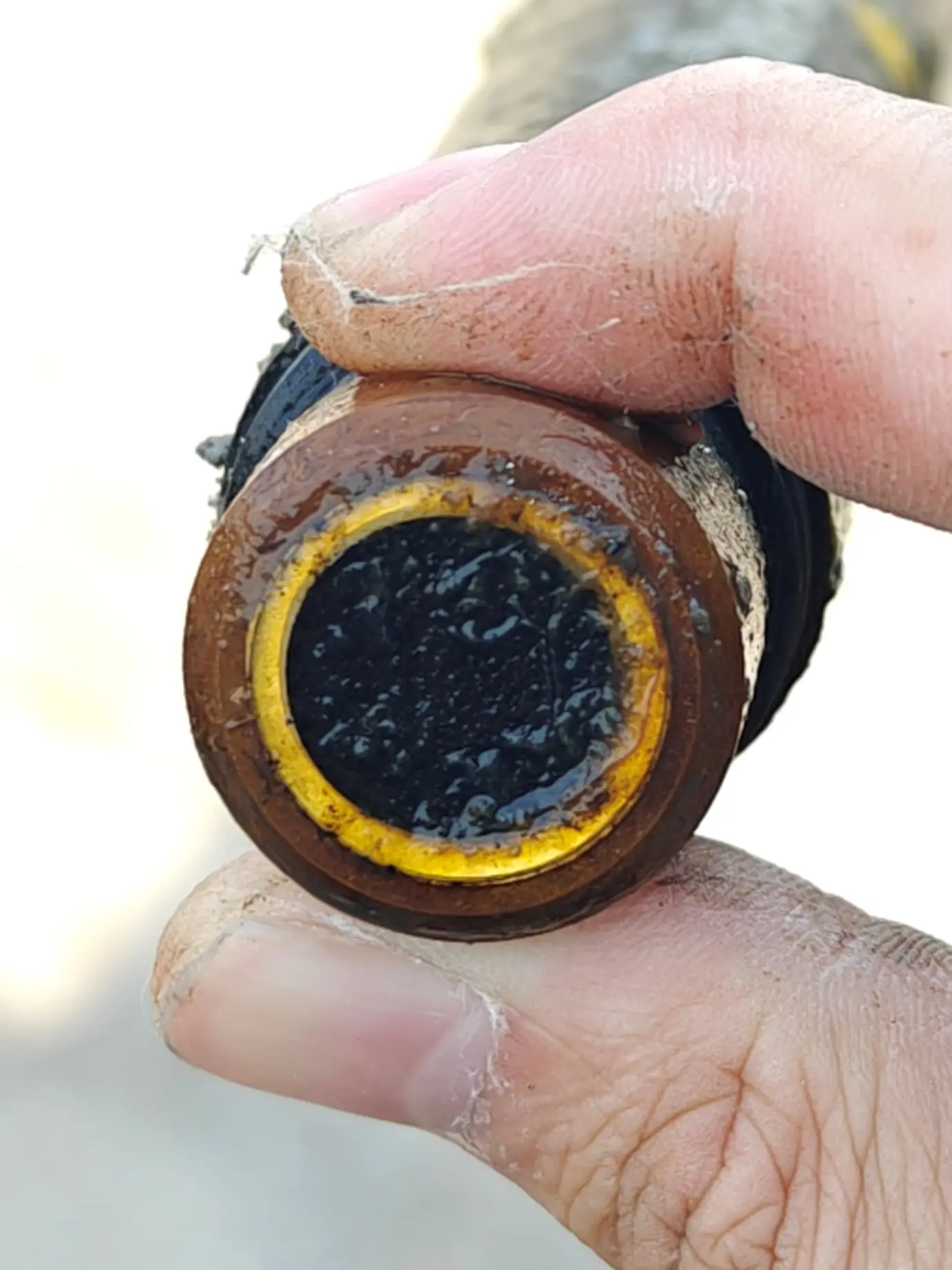
Among the over 200,000 marine species, fouling organisms like barnacles, diatoms, and cyanobacteria form complex biofilms on sensor surfaces. For optical sensors, algal pigments absorb 62% of 470nm excitation light, causing over 40% signal attenuation in DO fluorescence sensors; electrochemical sensors suffer from a 10-20μm thick hypoxic layer near electrodes due to microbial respiration, leading to ±1.2mg/L deviations in polarographic DO measurements. Data from a deep-sea observation station shows that unprotected sensors accumulate 89mg/cm² biofouling within 60 days, causing over 50% water quality data distortion and annual maintenance losses exceeding 3 million RMB for marine projects.
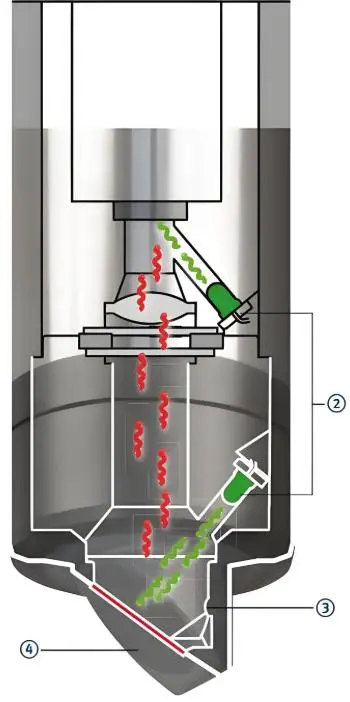
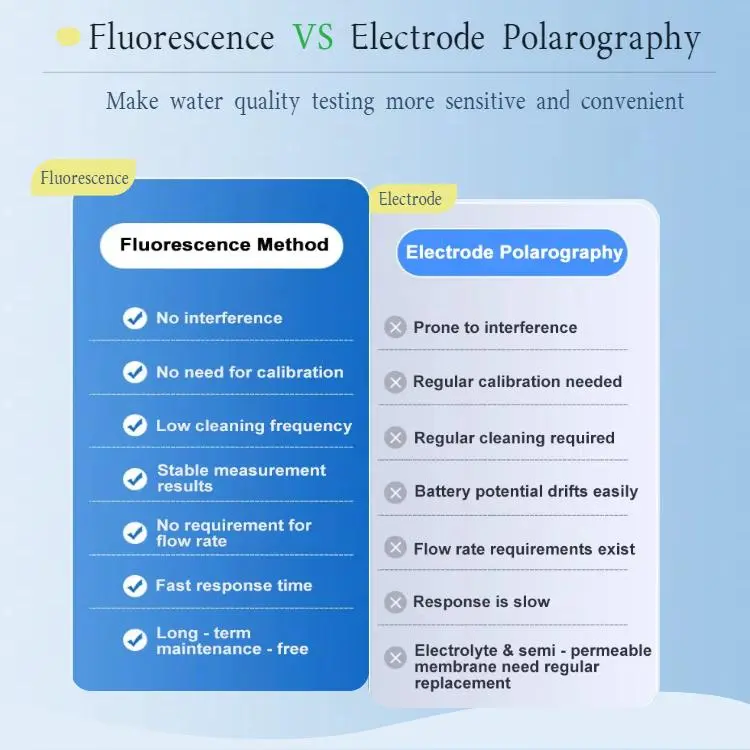
2. Technical Breakthrough: Synergetic Innovation of Fluorescence Quenching and Bionic Antibacterial Design
LUMINSENS DO sensor integrates an "optical-material-algorithm" trinity technology system:
- Core Fluorescence Sensing Principle: Uses 485nm blue light to excite ruthenium-based fluorescent probes. DO reduces fluorescence lifetime from 18μs to 12μs via dynamic collision, establishing a linear concentration-fluorescence model based on the Stern-Volmer equation, with a detection limit of 0.01mg/L and response time <10s;
- Interface Antibacterial Engineering: The sensing membrane is grafted with quaternary ammonium salt antibacterial groups, reducing barnacle larva attachment by 92% by disrupting microbial cell membranes. Controlled release of zinc ions (≤0.05ppm) inhibits algal chlorophyll synthesis. Tests by Ocean University of China show this technology delays biofilm formation by 8 times;
- Intelligent Calibration System: Built-in temperature compensation (-5℃~40℃), salinity correction (0~40ppt), and machine learning-based drift correction. 30-day continuous operation data shows standard deviation <0.15mg/L.
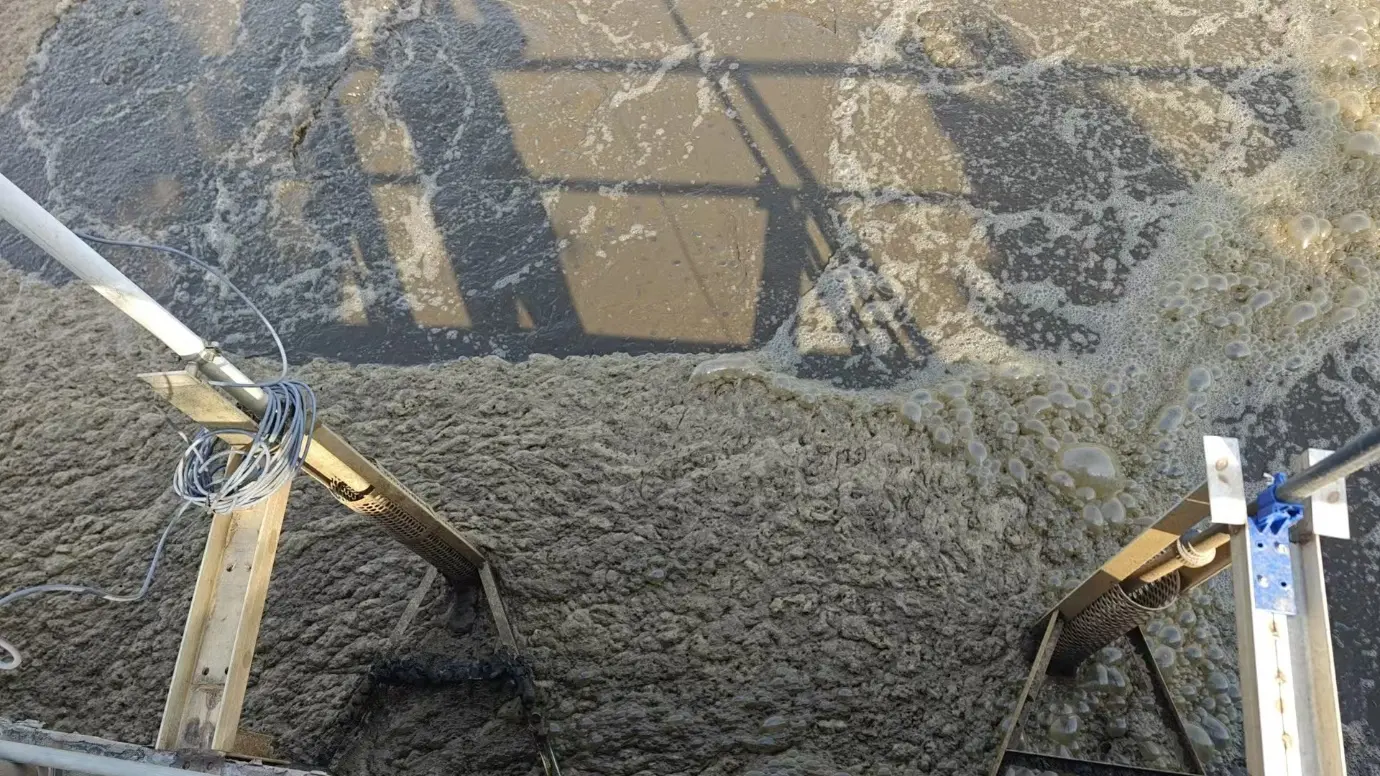
3. Scenario Validation: Full-Dimensional Implementation from Scientific Monitoring to Industrial Application
- Deep-Sea Aquaculture Monitoring: Applied in a national marine ranch in the South China Sea, the sensor overcame biofouling during noctiluca blooms, accurately capturing diurnal DO variations (minimum 5.2mg/L at 4 AM, maximum 8.7mg/L at 2 PM), supporting feeding decisions and increasing fish survival by 18%;
- Municipal Wastewater Treatment: In the AAO process of a Qingdao wastewater plant, real-time Do Monitoring (2.0±0.3mg/L) with variable-frequency aeration reduced energy consumption from 0.28kWh to 0.23kWh per ton of water, saving 1.2 million RMB annually and reducing sludge by 12%;
4. International Benchmarking: Generational Leadership in Core Performance Indicators
| Test Dimension | LUMINSENS Sensor | International Brand A | International Brand B |
| Biofouling Amount | <5mg/cm² (30 days) | 35-45mg/cm² | 28-32mg/cm² |
| High-Temp Stability | 40℃±2℃ Deviation <0.15mg/L | Deviation >0.8mg/L | Deviation >0.5mg/L |
| Electromagnetic Compatibility | 100MHz Interference 0 Error | 12% Data Jump Rate | 8% Signal Loss Rate |
| Long-Term Drift | <±0.1mg/L (90 days) | <±0.4mg/L | <±0.3mg/L |
5. Industrial Empowerment: Corporate Practice from Technological Innovation to Ecosystem Construction
As the industrialization platform of the Institute of Oceanographic Instrumentation, Shandong Academy of Sciences, LUMINSENS has built a full industry chain from sensitive elements to sensor systems:
- R&D Strength: 32-core team (8 PhDs), 3 NSFC projects, 17 invention patents, including the fluorescence sensing membrane technology awarded the 2023 Marine Science and Technology Award (Second Class);
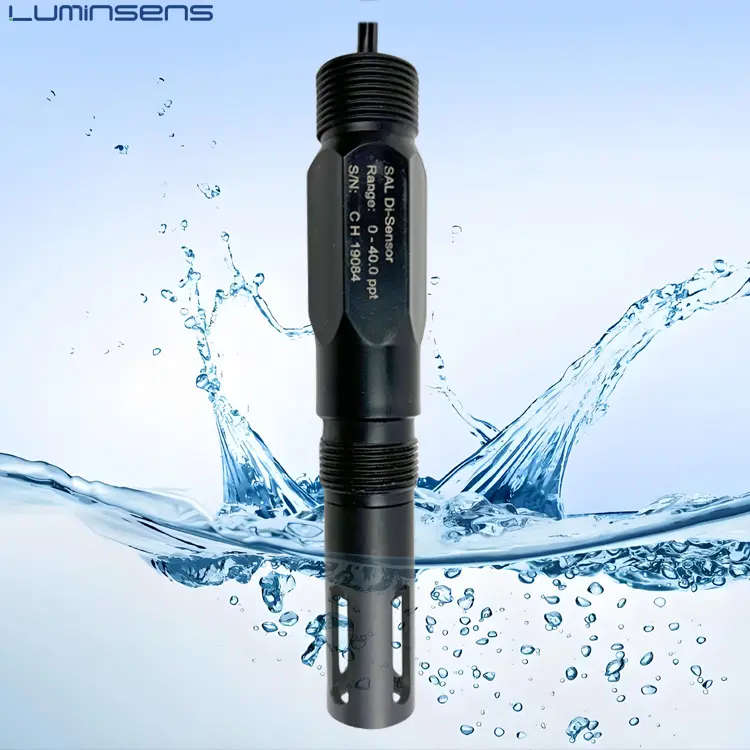
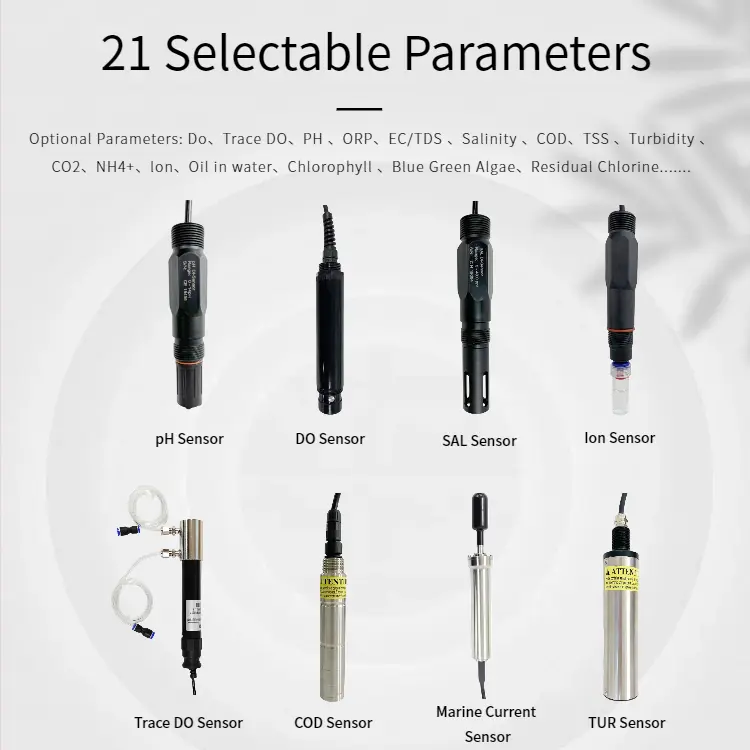
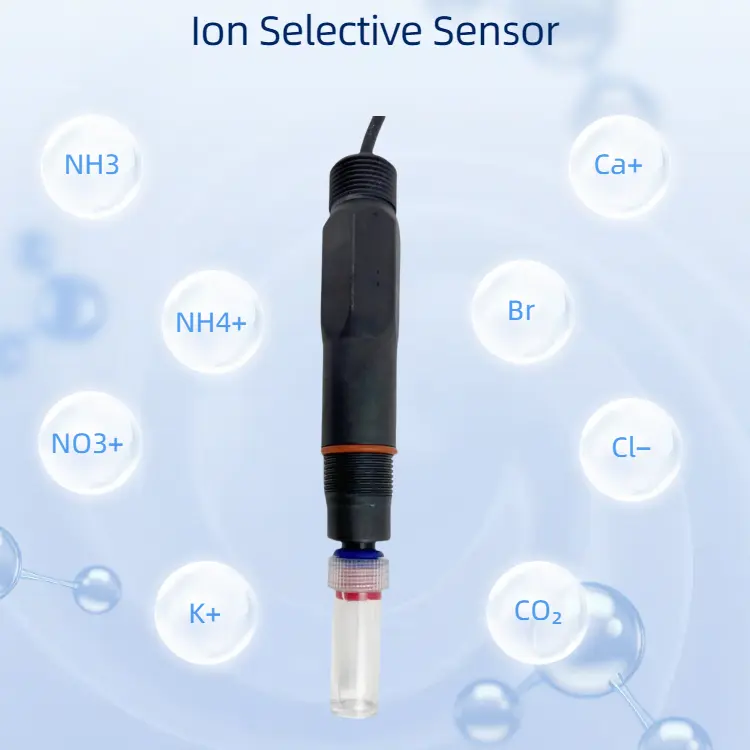
- Product Matrix: Besides Do Sensors, series of optical sensors for pH, ORP, salinity, conductivity, TDS, ammonia nitrogen, etc., as well as various handheld, online, and 4G multi-parameter analyzers. These enable real-time continuous monitoring and transmit data to remote control centers via wireless communication, providing strong support for water resource management and protection.