






Analysis of the Relationship Between Dissolved Oxygen Concentration and Saturation in Water
Dissolved oxygen in water plays a crucial role in the survival of aquatic organisms and the balance of the entire aquatic ecosystem. As two key indicators for measuring the state of dissolved oxygen in water, dissolved oxygen concentration and saturation are closely and complexly related. A deep understanding of this relationship is of great significance for water resource protection and water environment monitoring.
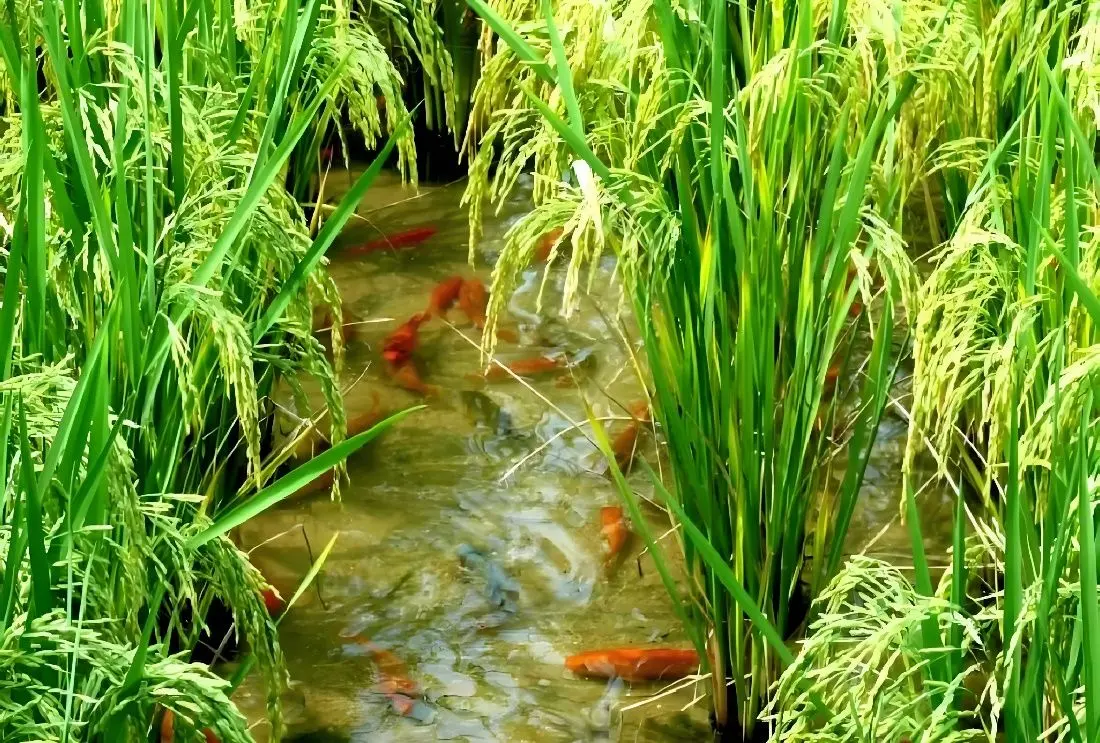
Dissolved oxygen concentration refers to the amount of oxygen dissolved in a unit volume of water, usually expressed in milligrams per liter (mg/L). It directly reflects the actual content of oxygen in water and is the amount of oxygen that can be directly used by aquatic organisms for respiration. For example, aquatic animals such as fish and shrimp need to absorb dissolved oxygen from water through their gills. If the concentration is too low, they will suffer from hypoxia or even death.
Dissolved oxygen saturation is the percentage of the actual dissolved oxygen concentration in water to the maximum amount of oxygen that can be dissolved in water under the given temperature, pressure and other conditions (i.e., saturated dissolved oxygen concentration). Its calculation formula is: Dissolved oxygen saturation = (Actual dissolved oxygen concentration ÷ Saturated dissolved oxygen concentration) × 100%. The saturated dissolved oxygen concentration is not fixed; it is affected by various factors such as water temperature, air pressure, and salinity. Generally, the lower the water temperature, the higher the saturated dissolved oxygen concentration; the higher the air pressure, the higher the saturated dissolved oxygen concentration; and the higher the salinity, the lower the saturated dissolved oxygen concentration.
| Water Temperature (℃) | Air Pressure (kPa) | Salinity (‰) | Saturated Dissolved Oxygen Concentration (mg/L) | Saturation (%) |
| 0 | 101.3 | 0 | 14.6 | 100 |
| 10 | 101.3 | 0 | 11.3 | 100 |
| 20 | 101.3 | 0 | 9.1 | 100 |
| 30 | 101.3 | 0 | 7.5 | 100 |
| 20 | 90.0 | 0 | 8.2 | 100 |
| 20 | 110.0 | 0 | 10.0 | 100 |
| 20 | 101.3 | 10 | 8.5 | 100 |
| 20 | 101.3 | 20 | 7.9 | 100 |
| 20 | 101.3 | 0 | 8.2 | 90.1 |
| 20 | 101.3 | 0 | 10.0 | 109.9 |
Table of Relationship Between Dissolved Oxygen Saturation Concentration, Saturation and Influencing Factors (Please note that this form is for reference only)
There is an interrelationship between dissolved oxygen concentration and saturation. When the dissolved oxygen saturation is 100%, it means that the dissolved oxygen concentration in water has reached the maximum under the given conditions, and the water is in a saturated state. If the saturation exceeds 100%, it is usually because there are plants such as algae with strong photosynthesis in the water. They release oxygen, making the dissolved oxygen concentration in water exceed the saturation value, which is called supersaturation. The supersaturated state may cause harm to aquatic organisms, such as leading to bubble disease in fish. When the saturation is lower than 100%, it indicates that the dissolved oxygen concentration in water has not reached saturation, and the water can continue to dissolve oxygen.
In actual water environment monitoring, measuring both dissolved oxygen concentration and saturation can provide a more comprehensive understanding of the oxygen status of the water body. For example, in a lake with high water temperature, although the measured dissolved oxygen concentration may be at a certain level, due to the low saturated dissolved oxygen concentration at high temperatures, its saturation may be in a low state, which means that the oxygen supply in the water body is relatively insufficient and needs attention.
In conclusion, dissolved oxygen concentration and saturation reflect the oxygen situation in water from different angles. They complement each other and jointly provide an important basis for evaluating the health status of aquatic ecosystems. Strengthening the monitoring and research of these two indicators will help us better protect water resources and maintain the balance of the aquatic ecosystem.
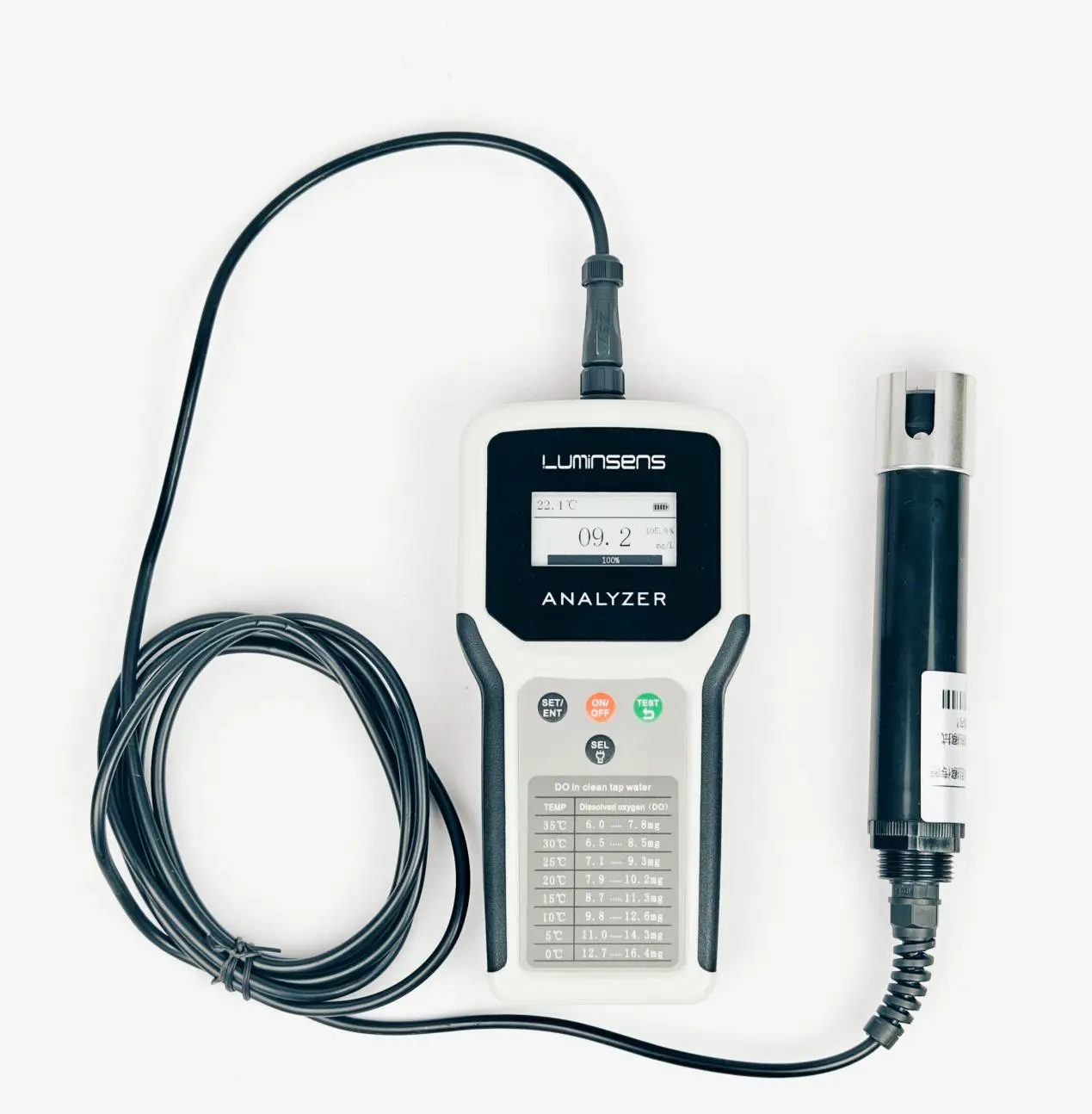
If you want to accurately and quickly monitor the dissolved oxygen concentration and saturation in water, our fluorescent handheld dissolved Oxygen Analyzer is your ideal choice. It adopts advanced fluorescence technology, eliminating the need for frequent calibration, and provides precise and stable measurements, presenting accurate data in real-time. Whether you are a water environment monitor, an aquaculture practitioner, or a scientific researcher, you can easily grasp the oxygen status of water bodies with it, providing strong support for water resource protection and production management. Choose our fluorescent handheld dissolved oxygen analyzer for more efficient and reliable monitoring!