






Four-Electrode Salinity Sensors: Precision for Global Water Monitoring
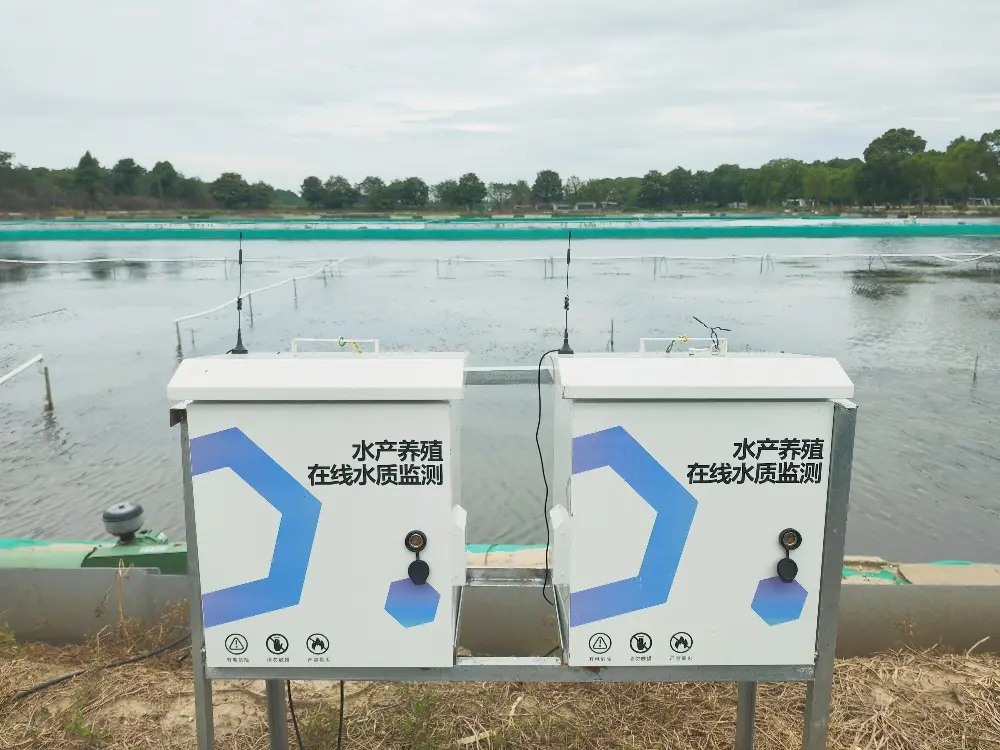
Across global sectors including aquaculture, municipal water treatment, and food & beverage processing, water quality monitoring has long been plagued by pain points like inconsistent data accuracy, high maintenance costs, and limited adaptability to harsh water environments — bottlenecks that directly hinder operational efficiency and compliance with international standards. Today, water quality sensing provider LUMINSENS announces expanded global market reach, aiming to empower these industries with advanced sensing solutions that address these long-standing challenges.
Why Salinity Monitoring Matters: An Industry Essential
Salinity, conductivity, and TDS (Total Dissolved Solids) are core water quality indicators across global sectors — with data-backed impacts on efficiency and safety:
- In aquaculture, the optimal salinity for Litopenaeus vannamei (white-leg shrimp) is around 3.0%: when salinity rises to 6.5%, their average daily weight gain drops to only 27.71% of the control group. At extreme salinities (7 g/L or 50 g/L), the mortality rate of shrimp infected with Vibrio parahaemolyticus can reach 60%-80%, directly undermining farming profits.
- In food processing, EU CE certification requires aquatic canned products to have a salinity deviation ≤ ±0.5 ppt; non-compliant products are barred from the EU market, making precise salinity control a core threshold for compliant exports.
- In environmental management, the WHO recommends drinking water TDS below 600 mg/L (for taste and safety); China's agricultural irrigation standards mandate TDS ≤ 1000 mg/L in non-saline areas — mine water exceeding this limit can reduce rice germination rates and even cause crop failure across 10,000 mu (≈667 hectares) of farmland.
Traditional two-electrode sensing technologies often exacerbate these challenges: polarization effects lead to drifting readings, frequent calibration cycles drive up labor costs, and limited corrosion resistance makes them unsuitable for long-term monitoring of seawater or industrial wastewater.
The Four-Electrode Advantage: Precision & Stability Redefined
Advanced four-electrode sensing technology (which separates excitation and measurement electrodes) eliminates polarization-related flaws, delivering transformative benefits for industrial users:
- Higher accuracy: ±1.5% deviation for conductivity, ±0.5°C for temperature, ensuring data reliability for critical decision-making.
- Long-term durability: Corrosion-resistant materials support continuous monitoring across freshwater, seawater, and wastewater scenarios.
- Low maintenance: Flat designs simplify cleaning, while full-range automatic switching removes the need for manual adjustments.
- Smart integration: Compatibility with standard industrial communication protocols enables seamless connection to existing monitoring systems.
Empowering Global Industries with Reliable Sensing Tools
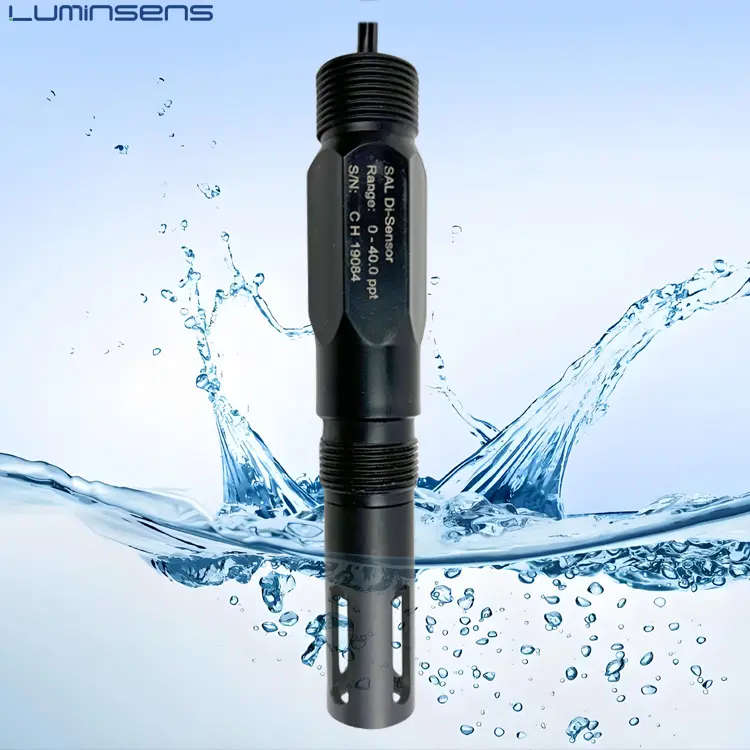
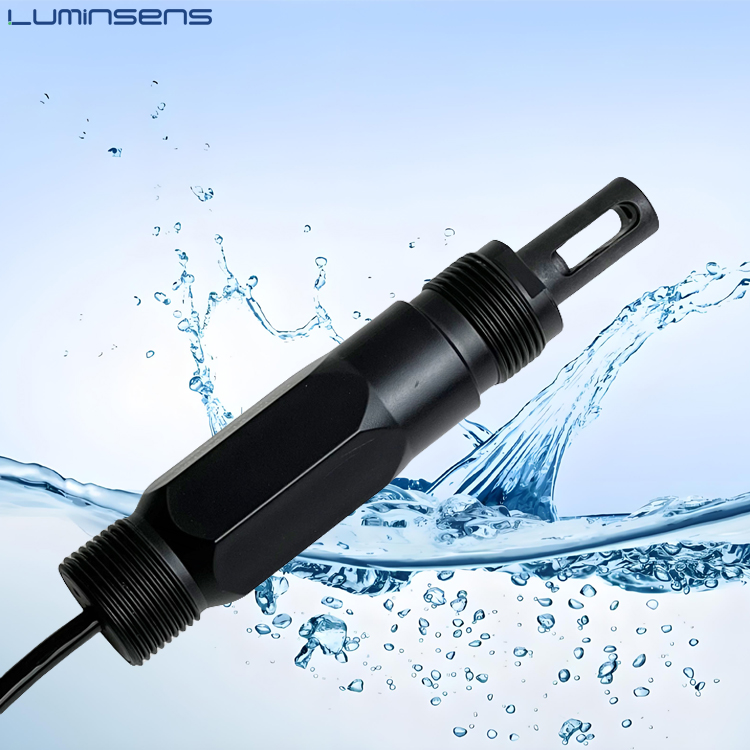
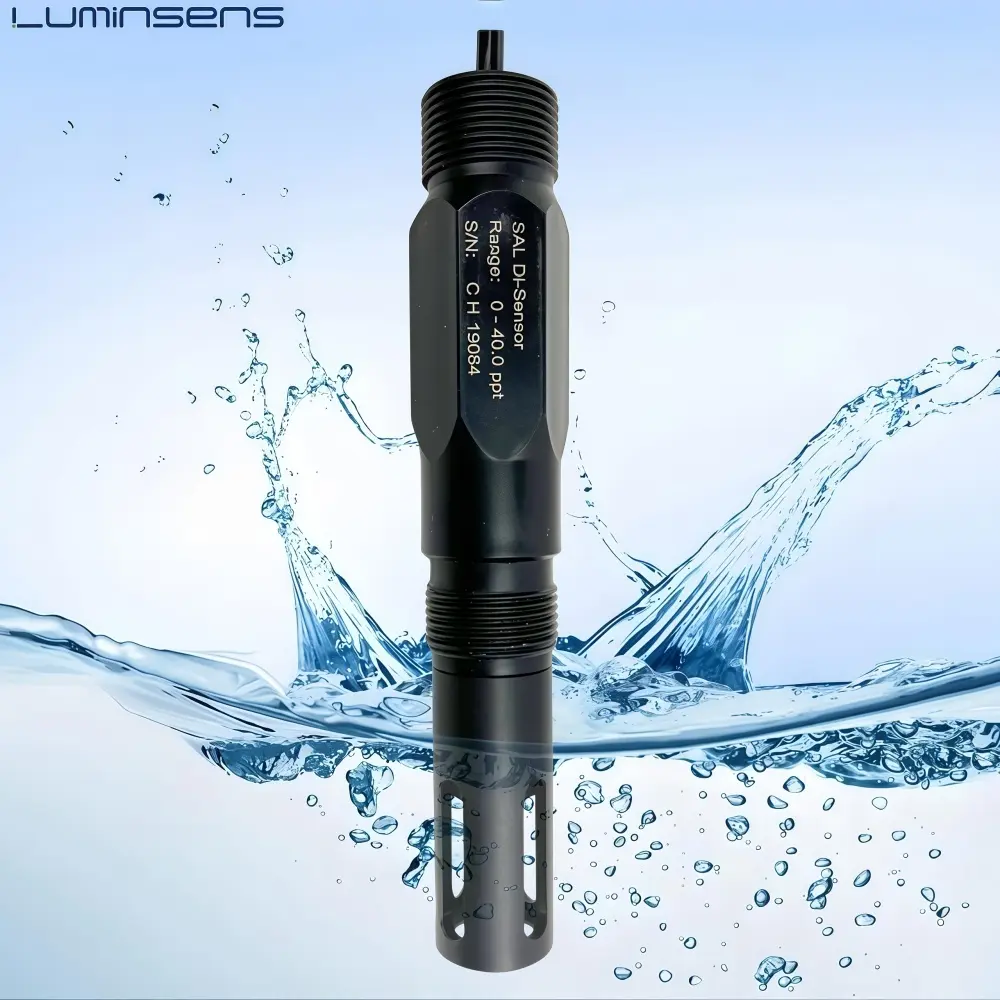
For businesses seeking to overcome water quality monitoring bottlenecks, LUMINSENS offers the LMS-SAL1004 four-electrode salinity/conductivity/Tds Sensor — a solution engineered to cover broad measurement ranges (100–60,000 μS/cm conductivity; 0–30,000 ppm TDS; 0–500.00 ppt salinity) and perform reliably in diverse global environments, from tropical aquaculture farms to coastal wastewater plants.
As a trusted provider in the space, LUMINSENS's expanded global presence ensures easier access to this robust sensing tool, helping industries boost efficiency, cut operational costs, and meet strict international quality standards.
Contact Information
Email: luminsens@luminsens.com
Website: https://site_a63ef255-fec2-44c5-931a-179661464f20/
For detailed specifications or global partnership inquiries, reach out to our sales team today.