






From Intermittent Sampling to Continuous Duty: How Monitoring Buoys Are Reshaping Ocean Observation
In the past, ocean monitoring relied heavily on vessel-based sampling or fixed observation stations, which were not only costly and limited in coverage, but also struggled to achieve all-weather, long-term continuous monitoring. Water quality monitoring buoys, leveraging technological advantages such as solar power and satellite communication, can now "stand duty" at sea for extended periods. Even under complex meteorological conditions, they ensure the continuity and stability of data collection, effectively filling the gaps of traditional monitoring methods.
Monitoring the vast oceans, rivers, and lakes continuously and accurately has long been a critical challenge in fields like environmental science, marine fisheries, and disaster warning. With technological advancements, the Water Quality Monitoring Buoy has emerged as a star solution—functioning as an "environmental sentinel" on the water, working 24/7 to guard our blue planet.
1. What is a Water Quality Monitoring Buoy?
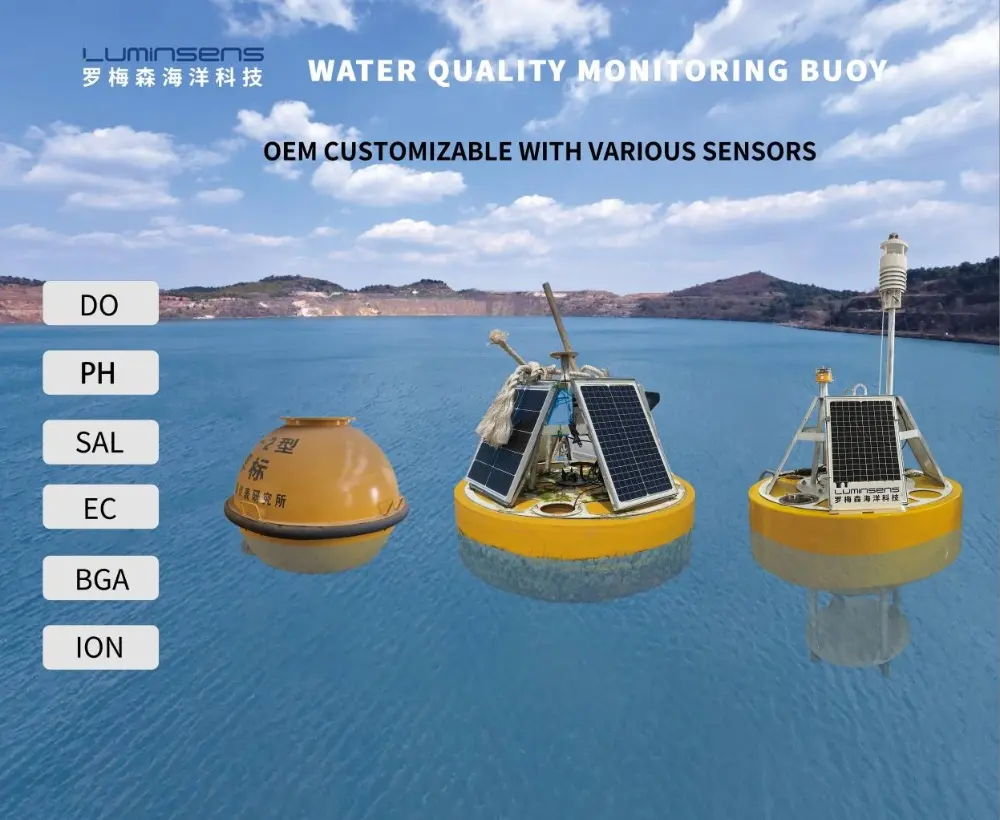
A Water Quality Monitoring Buoy is an integrated intelligent monitoring platform that combines modern sensor technology, data acquisition/transmission technology, and renewable energy technology. Typically moored at a specific location, it replaces manual labor by conducting long-term, continuous, and automatic monitoring of key parameters at various depths, transmitting data in real-time to a shore-based platform.
2. How Does It Work? A Look at the Core Technology
A complete buoy system consists of four core units working in harmony, like a sophisticated "aquatic robot":
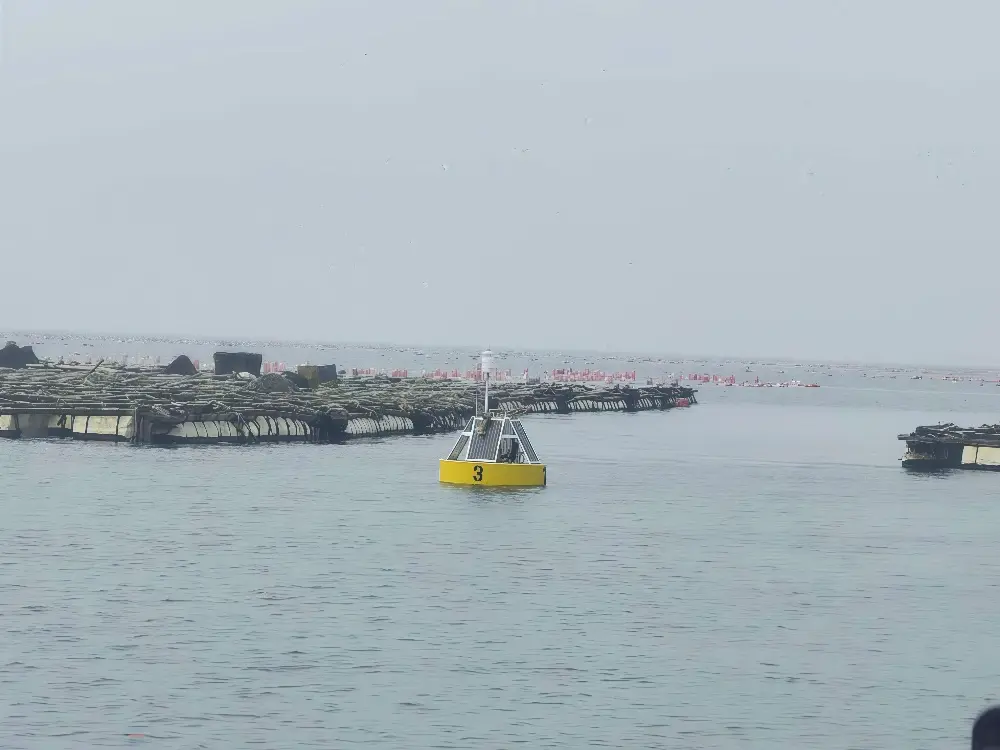
- Floating Unit: Made from materials like polyethylene (PE), EVA, or stainless steel that resist corrosion and biofouling. Its bright colors (e.g., yellow, red) ensure nautical visibility, and the design provides sufficient buoyancy and stability.
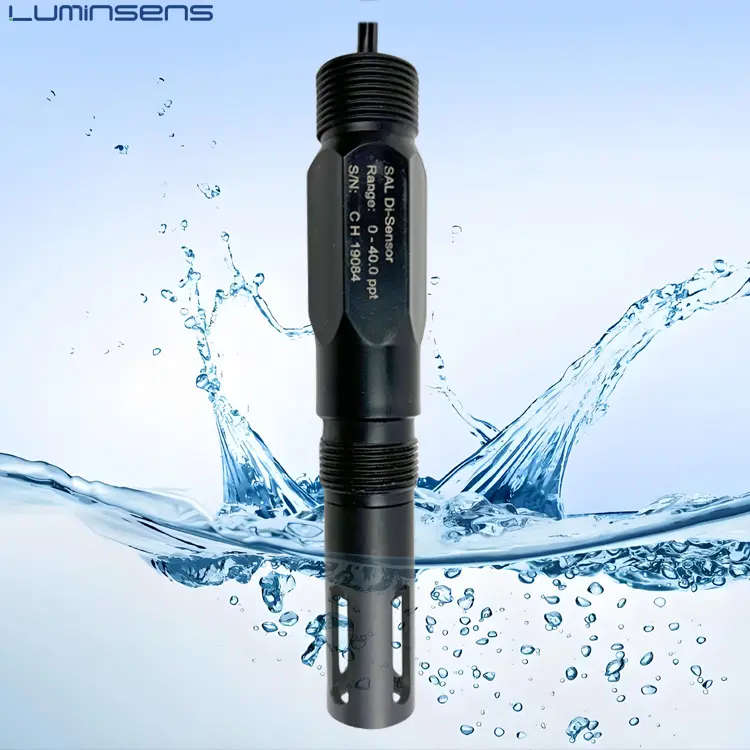
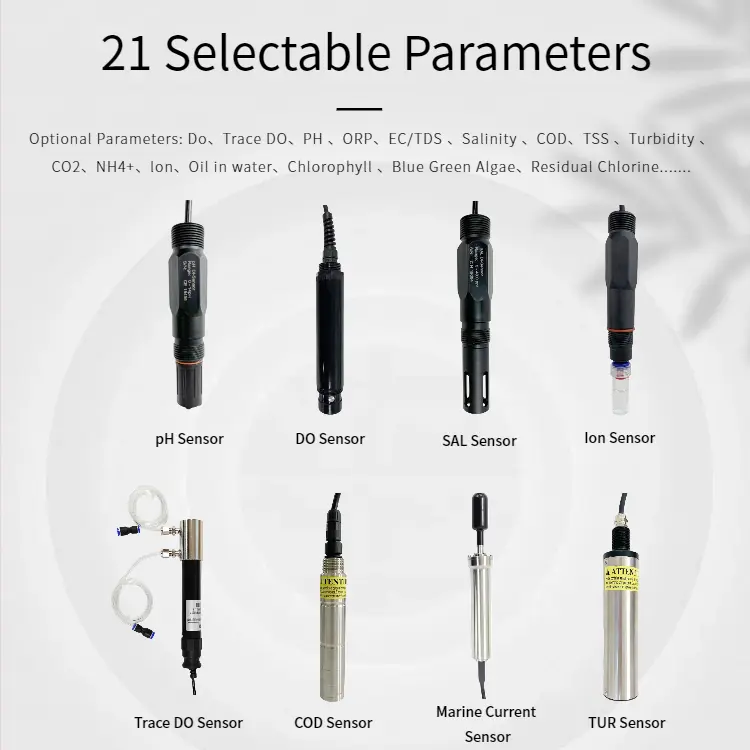
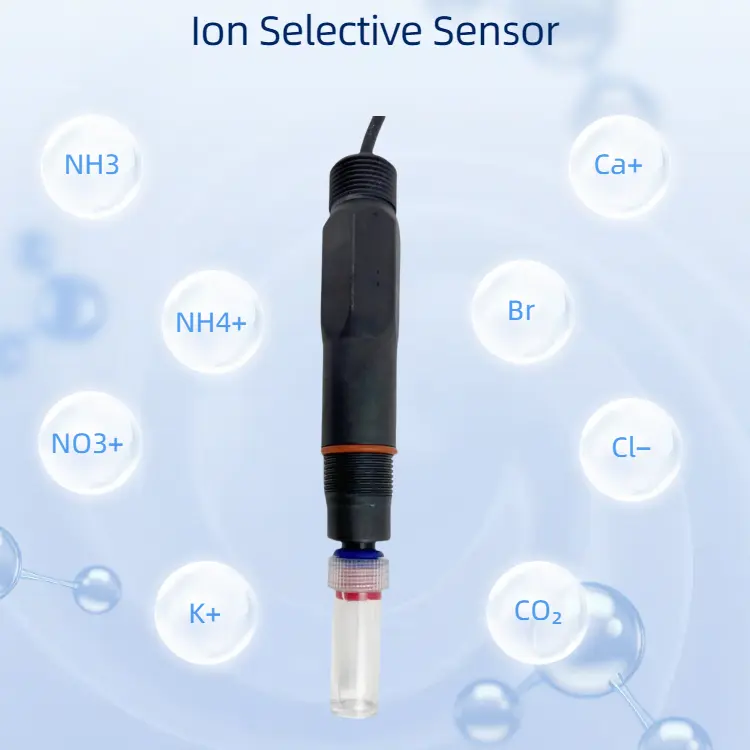
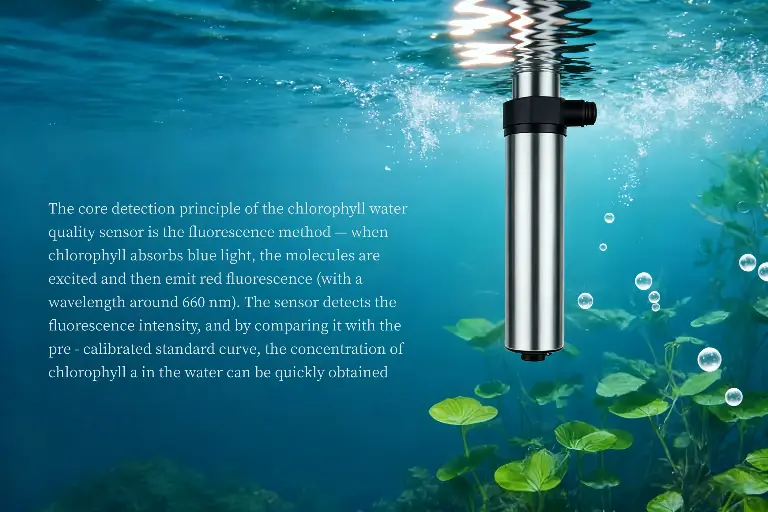
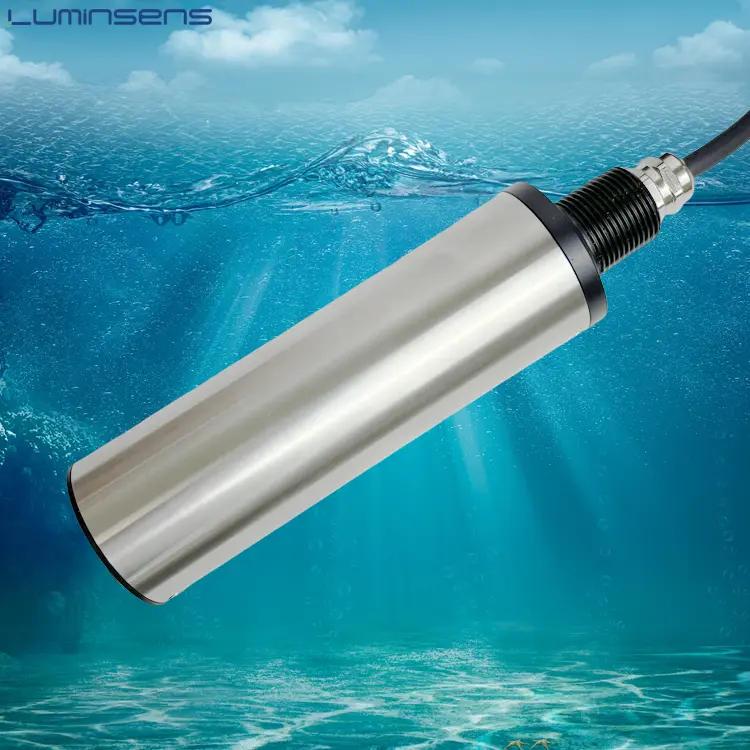
- Monitoring Unit: This is the buoy's "sensory system." Equipped with multiple sensors, it monitors dozens of physical, chemical, and biological parameters, including pH, Dissolved Oxygen (DO), Conductivity (EC), Turbidity, Chlorophyll, nutrients, as well as waves, currents, oil-in-water, and more.
- Data Transmission Unit: This is the buoy's "nervous system." Using communication methods like 4G/5G, Beidou satellite, or microwave, it transmits the collected data to the user's cloud platform with minimal delay (Beidou transmission success rate >99%), ensuring immediacy and reliability.
- Power Supply Unit: This is the buoy's "heart." A green power solution combining solar panels and batteries allows for energy self-sufficiency, ensuring continuous operation even during cloudy weather, enabling true unattended operation.
3. Wide-Ranging Applications and Significant Value
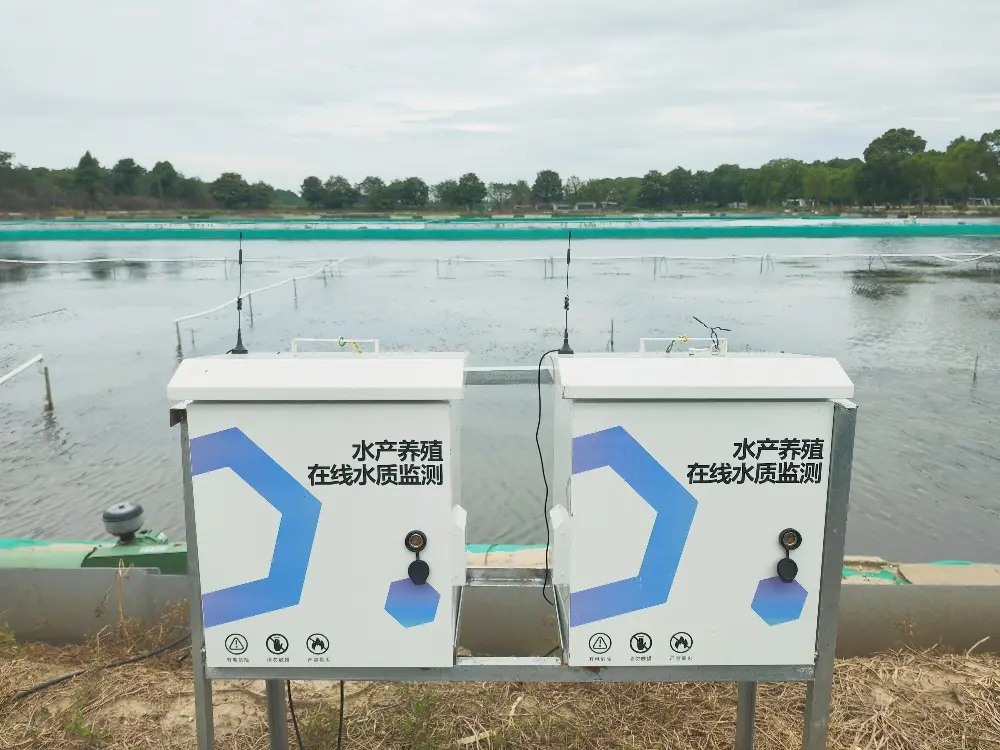
These buoys are deployed everywhere: from water quality management in offshore aquaculture and monitoring outfalls to algal bloom warning systems; from research in inland rivers and lakes to drinking water source protection; and from marine meteorological observation to navigational safety. The high-frequency, long-term data they provide is indispensable for scientific research, government policymaking, and commercial activities.
Choose our Water Quality Monitoring Buoy to accurately grasp the dynamics of marine and various water body quality, and embark on a new experience of efficient water environment monitoring!