






Ion “Detective” Safeguards Water Safety: This Sensor is Redefining the Precision Benchmark of Water Quality Monitoring
Ion “Detective” Safeguards Water Safety: This Sensor is Redefining the Precision Benchmark of Water Quality Monitoring
Water is the source of life and an important support for economic and social development. Against the backdrop of dual challenges of global water resource pollution and shortage, the innovation and application of water quality monitoring technology have become a key link in safeguarding the water environment and implementing the United Nations Sustainable Development Goal (SDG 6). Among them, ion selective water quality sensors have become the "sharp eyes" in the field of water quality monitoring with their accurate detection capability for specific ions in water, helping the industry move towards intelligence and precision.
Ion Monitoring: Decoding the Microscopic "Code" of Water Quality
Ion composition in water is one of the core indicators reflecting water quality. From ammonium (NH₄⁺) and nitrate (NO₃⁻) in surface water, to heavy metal ions such as cadmium (Cd²⁺) and lead (Pb²⁺) in industrial wastewater, and potassium (K⁺) and calcium (Ca²⁺) ions in domestic sewage, their contents are directly related to water environment safety, drinking water health, and even industrial and agricultural production. Ion water quality sensors are based on ion selective electrode technology, which can specifically identify and detect the concentration of target ions, providing accurate microscopic data support for water quality assessment.
Industry Hotspots Driving: From Compliance Monitoring to Smart Water
Currently, the international water quality monitoring industry is embracing multiple development opportunities. On the one hand, global environmental regulations continue to be strengthened, such as the strict requirements of the EU Water Framework Directive on river basin water quality and the upgraded implementation of the US Clean Water Act, forcing water quality monitoring technology to evolve towards more precision and efficiency; on the other hand, the popularization of the "smart water" concept promotes the deep integration of sensor technology with the Internet of Things and big data, realizing real-time online monitoring and dynamic management of water quality. In addition, in the field of precision agriculture, ion composition monitoring of irrigation water has become the key to optimizing crop growth and improving water and fertilizer utilization efficiency; the strict control of heavy metal ions in the industrial field has also opened up a broad space for the application of Ion Sensors.
Prominent Technical Advantages: Green, Precise, and Easy to Integrate
Ion water quality sensors have become a new favorite in the industry due to many advantages. It adopts a green and environmentally friendly design, which is both economical and environmentally friendly; it supports customized standard solution calibration, and both forward and reverse curves can be adapted to ensure detection accuracy; it also has excellent anti-interference ability and data stability, and can operate stably in multiple scenarios such as surface water, sewage, and drinking water. More importantly, it can be flexibly integrated into the water quality monitoring system to meet the personalized needs of different customers, realizing direct investment installation and greatly reducing deployment difficulty.
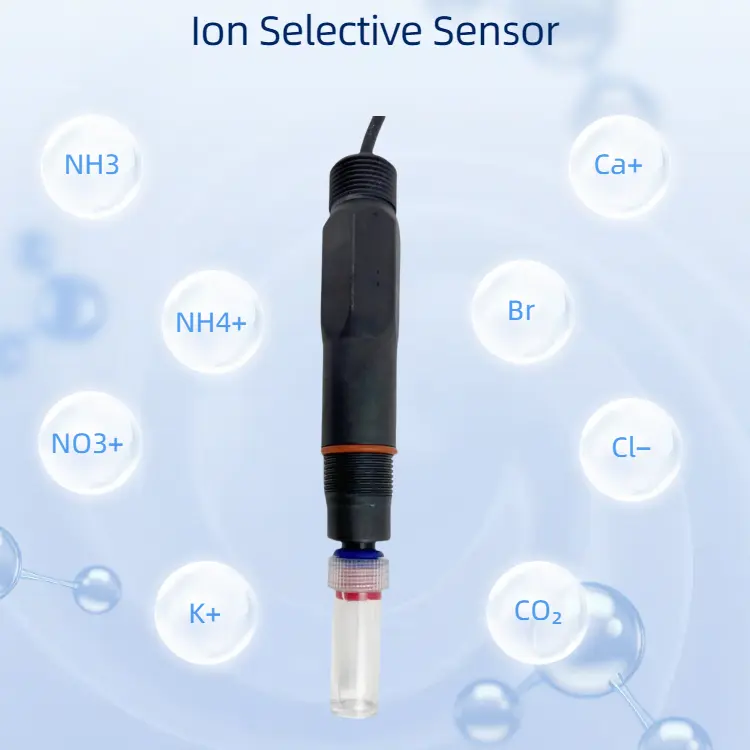
Product Strength Empowers: LMS-ION100 Ion Selective Sensor Leads the New Benchmark of the Industry
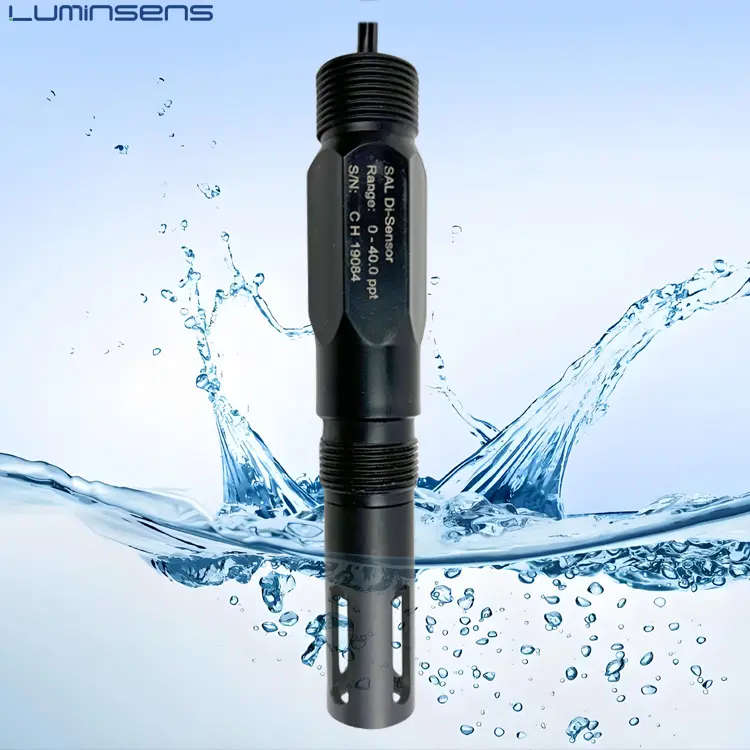
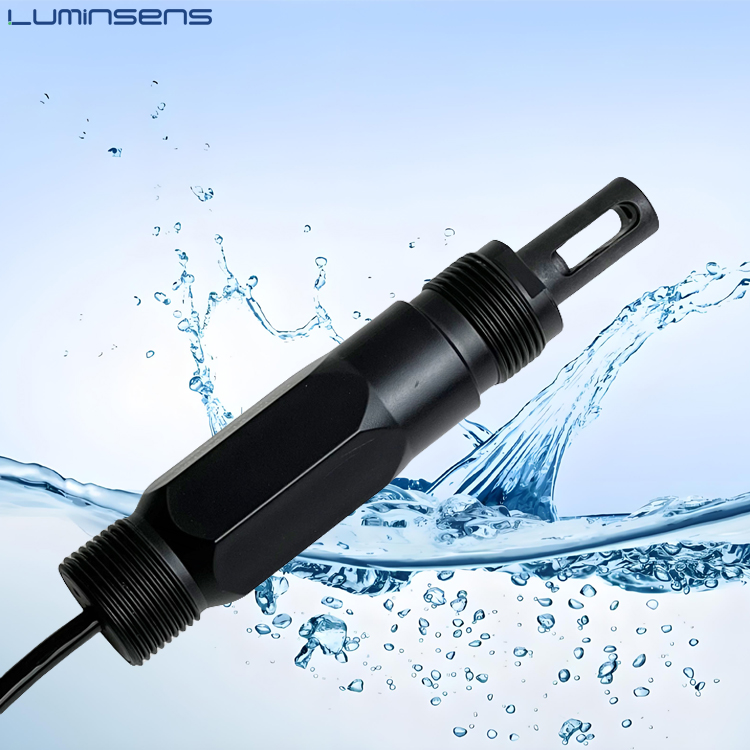
Among many ion water quality sensor products, the LMS-ION100 Ion Selective Sensor stands out with its excellent performance. This product adopts the Ion Electrode measurement method, with a measurement range covering 0~1000 mg/L and an accuracy of ±5% F.S. It supports 9-24VDC power supply (12VDC recommended), is made of polymer plastic, has a size of 31mmx 200mm, and adopts RS-485 and MODBUS protocols for output, which can be seamlessly connected to various monitoring systems.
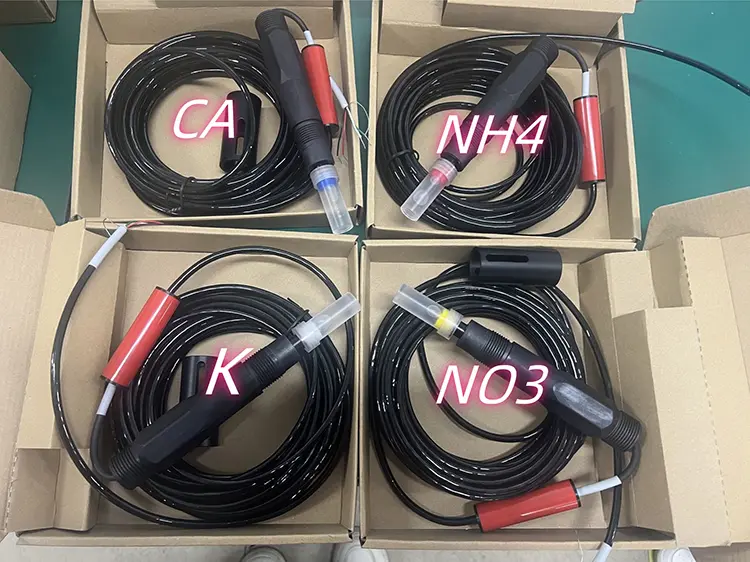
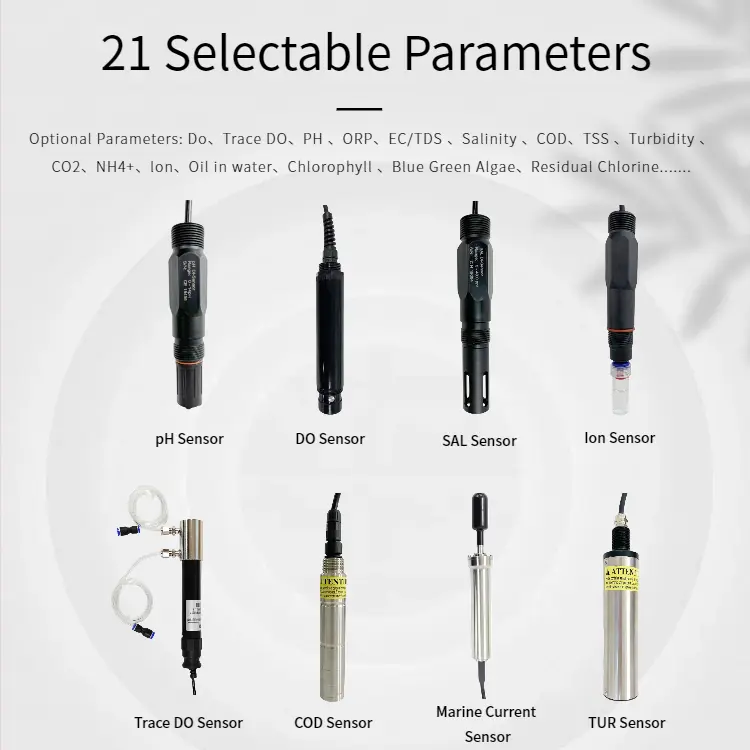
Whether it is NH₄⁺, NO₃⁻, K⁺, or Ca²⁺, Cd²⁺, NOx and other ion types, LMS-ION100 can accurately detect (the ion type needs to be specified before ordering). Its green and non-polluting, economical and environmental protection characteristics are suitable for water quality detection needs in multiple scenarios such as surface water, sewage, and drinking water. The easy-to-integrate design concept perfectly fits the development trend of smart water, providing an efficient and reliable technical solution for the global water quality monitoring industry, and helping the industry continue to advance in a more intelligent and precise direction.