






The Critical Role of Conductivity Measurement in Water Quality and Industrial Processes
Understanding Conductivity: The Invisible Indicator of Water Quality
Conductivity, a fundamental property of water, measures its ability to conduct an electric current. This characteristic is directly influenced by the concentration of dissolved ionic substances, such as salts, minerals, and inorganic compounds. In simple terms, the more ions present, the higher the conductivity. This makes conductivity an invaluable, rapid, and cost - effective parameter for assessing water purity and the concentration of total dissolved solids (TDS) across a vast array of applications. From ensuring the safety of drinking water and the efficiency of industrial wastewater treatment to monitoring nutrients in hydroponics and salinity in aquaculture, conductivity measurement serves as a first - line defense and a key process control indicator.
Industry Trends: The Push for Smarter, More Robust Sensing Solutions
The global market for water quality sensors is evolving rapidly, driven by increasing regulatory demands, the need for resource efficiency, and the rise of Industrial IoT (IIoT). Key trends shaping the conductivity sensor industry include:
- Demand for Durability: Sensors are increasingly required to perform in harsh chemical environments and over extended periods, necessitating corrosion - resistant materials like PPS and stable electrode materials like graphite.
- Data Integrity and Integration: The move towards smart factories and automated monitoring systems requires sensors with stable, anti - interference design and digital communication protocols like Modbus RTU for seamless integration into larger control networks.
- Precision and Ease of Use: To reduce operational complexity and maintenance downtime, technologies like single - point calibration and integrated high - precision temperature compensation are becoming standard expectations for high - performance sensors.
Introducing the Future of Reliable Conductivity Monitoring
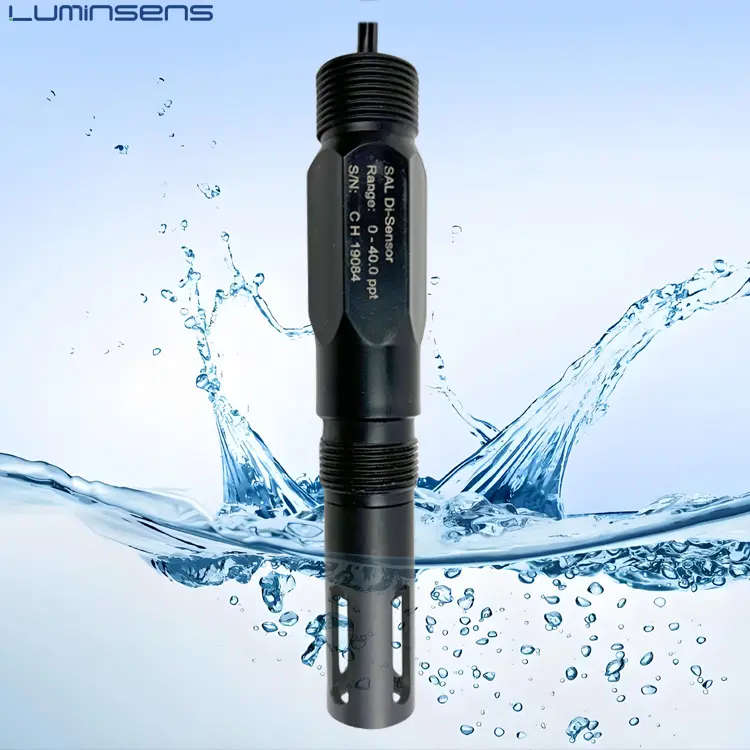
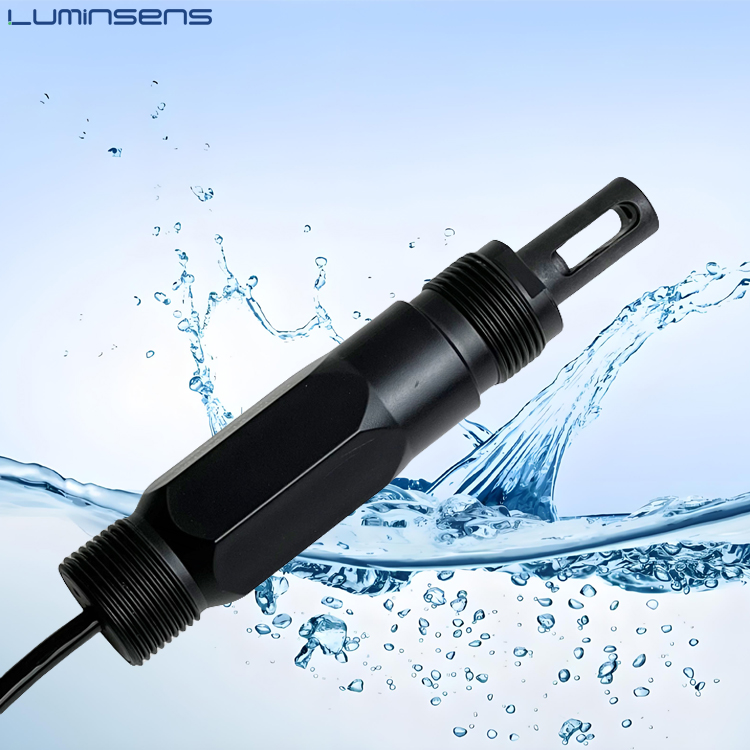
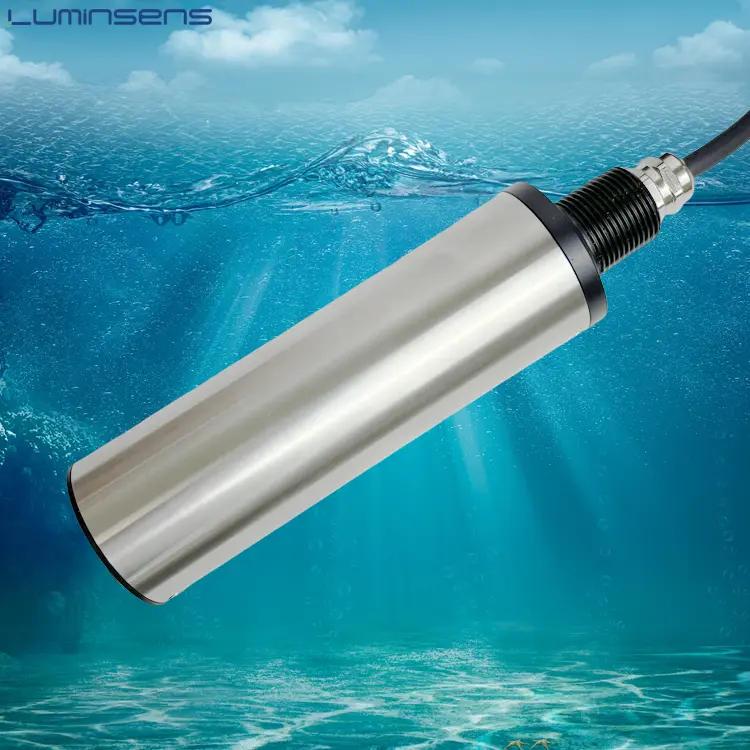
In response to these industry dynamics, we are proud to feature our LMS - TDS1002 Two - Electrode Conductivity/Tds Sensor. This sensor is engineered to meet the rigorous demands of modern applications, combining laboratory - grade accuracy with industrial ruggedness.
Key features include:
- Corrosion - Resistant Graphite Electrodes: Ensuring long - term stability and consistent performance in demanding environments.
- Isolated Power Supply & Anti - Interference Design: Guarantees stable and reliable data, even in electrically noisy settings.
- Wide Measuring Range: Capable of accurately measuring conductivity from 10μS/cm to 100mS/cm, TDS up to 60,000 ppm, and salinity.
- Integrated High - Accuracy NTC Temperature Sensor: Provides essential temperature compensation for maximized measurement accuracy.
- RS485 Interface with Modbus RTU: Enables easy connection to PLCs, SCADA systems, and IoT platforms for centralized data monitoring and control.
The LMS - TDS1002 embodies the industry's shift towards intelligent, dependable, and low - maintenance sensing solutions, empowering businesses to optimize their processes and ensure quality with confidence.