






ORP Water Sensor – The "Intelligent Eye" of the Water Industry
In the field of water environment monitoring and governance, Oxidation-Reduction Potential (ORP) is a core indicator reflecting the chemical state of water, just like a "chemical barometer" of water bodies — it represents the relative proportion of oxidized and reduced substances in a solution. The higher the value (positive value), the stronger the oxidation capacity of the water; the lower the value (negative value), the stronger the reduction capacity.
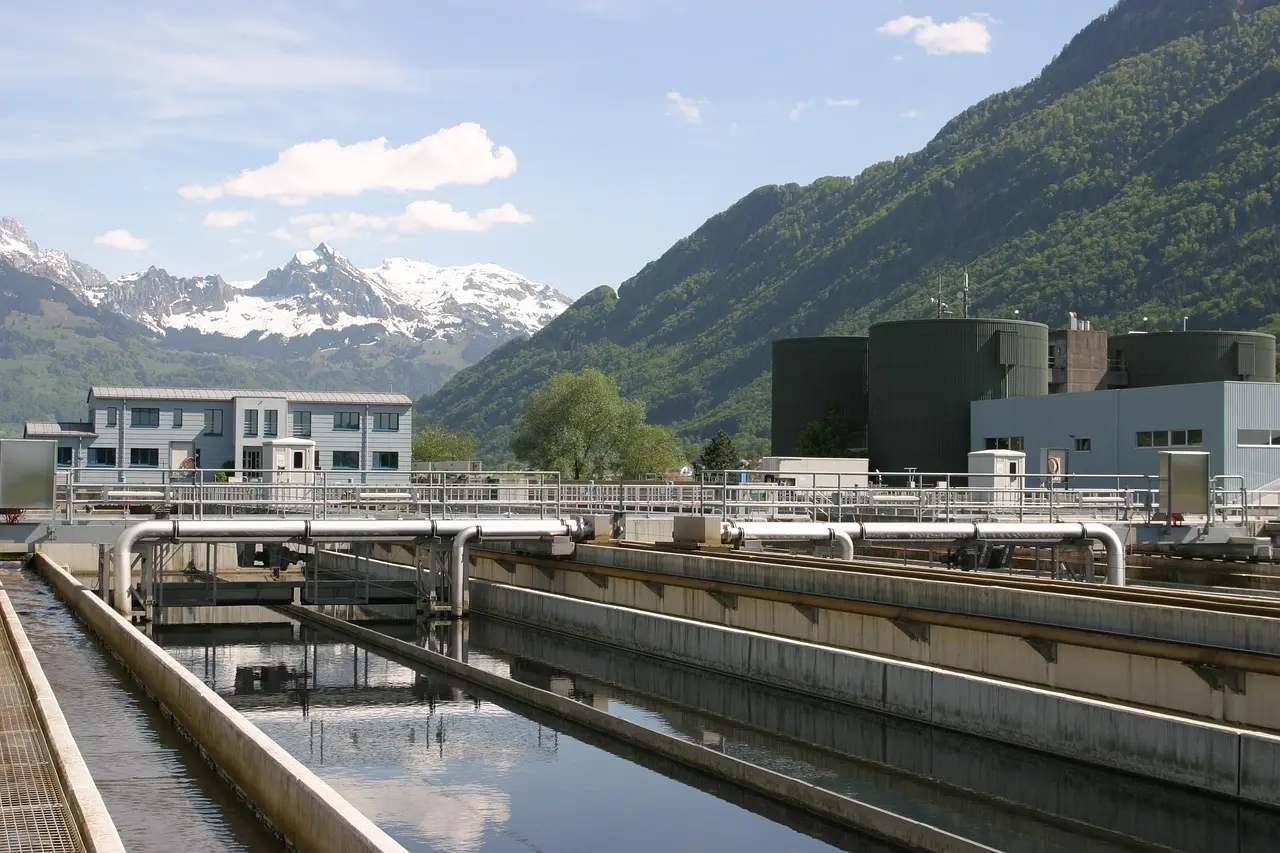
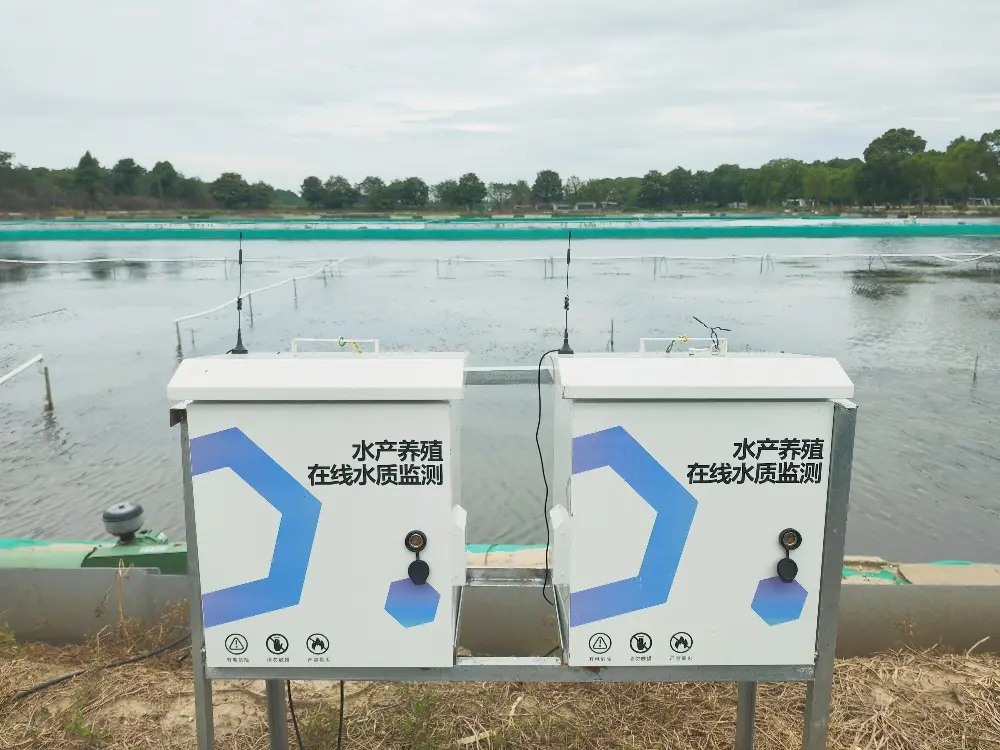
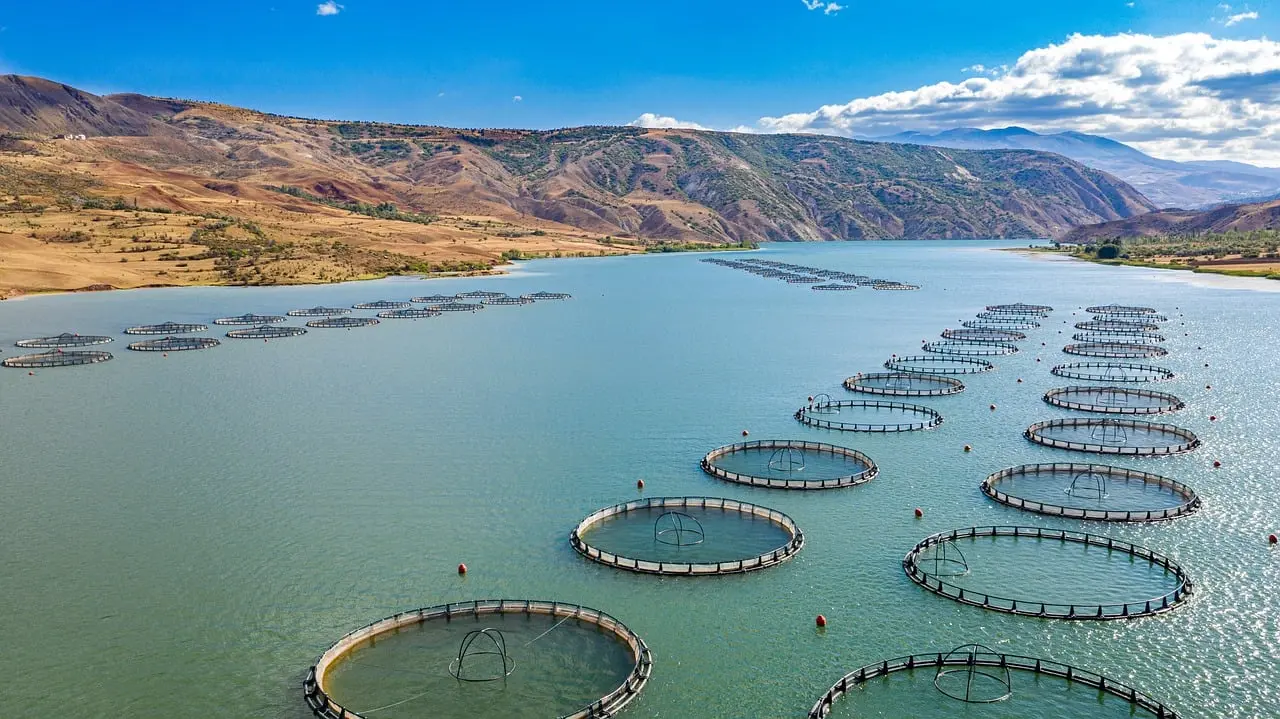
From the perspective of application scenarios, the value of ORP data runs through multiple fields: in drinking water treatment, it can assist in judging the disinfection effect and ensure the safety of effluent; in sewage treatment plants, the microbial activity in the biological treatment stage is extremely sensitive to the redox environment, and accurate ORP monitoring can provide a basis for process parameter adjustment and improve the degradation efficiency of pollutants; in aquaculture scenarios, a suitable ORP range is the key to the healthy growth of aquatic organisms such as fish, shrimp, and crabs — too low ORP easily causes blackened water and the breeding of harmful substances, while too high ORP may damage biological mucosa and threaten the survival of organisms.
To obtain accurate ORP data, reliable ORP water quality sensors are indispensable. Such sensors convert potential signals into readable electrical signals through redox reactions between ionic electrodes and water bodies, thereby achieving real-time monitoring. However, in complex water quality environments, the stability, anti-interference ability, and maintenance convenience of sensors have become core pain points faced by the industry for a long time.

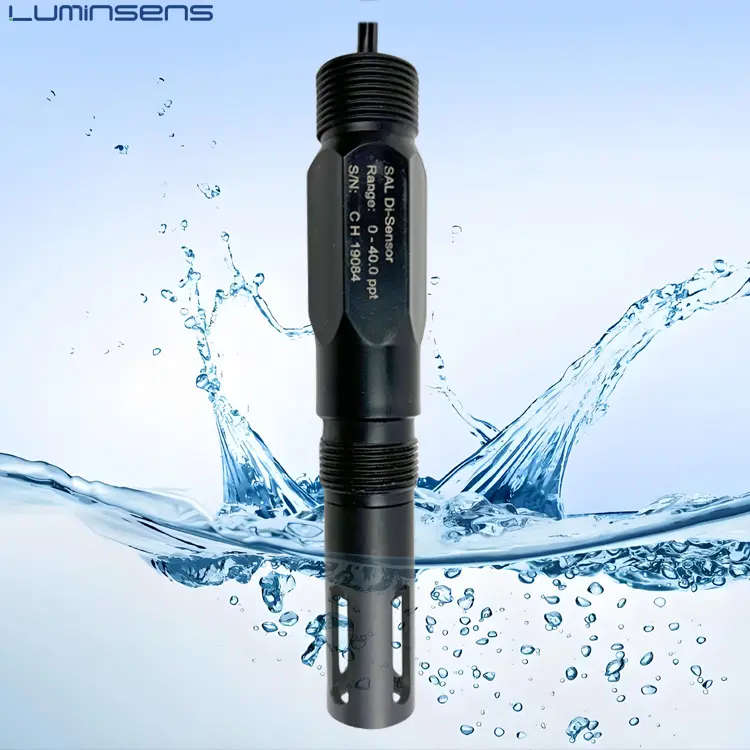
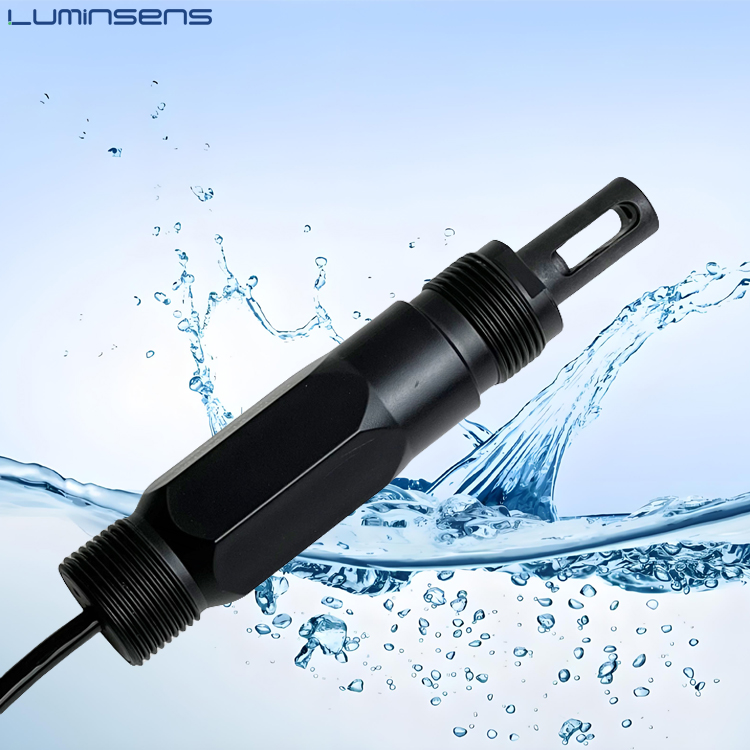
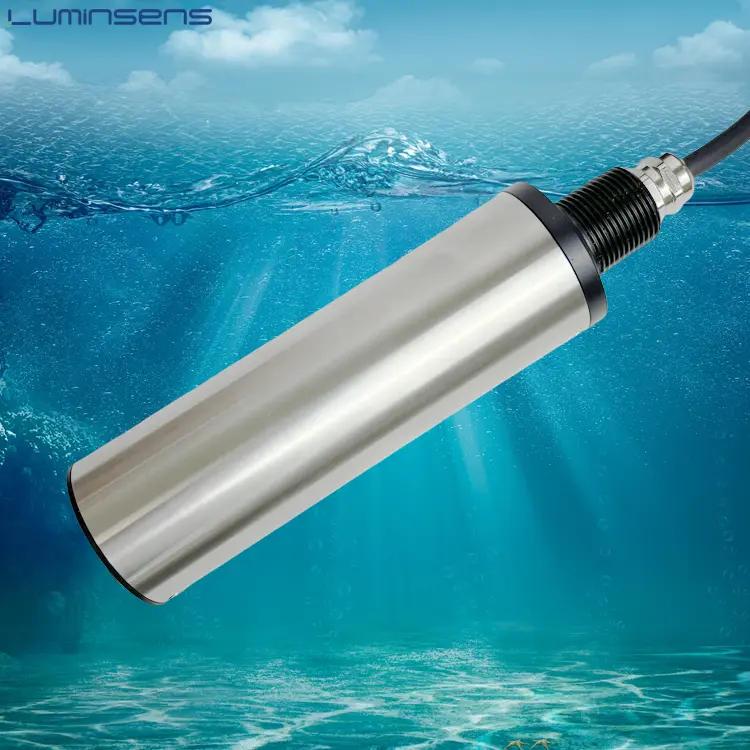
To meet industry demands, the LMS-ORP100 ORP sensor launched by LUMINSENS solves monitoring problems with multiple technical advantages: it adopts an isolated power supply design, ensuring stable data and strong anti-interference ability, and can accurately output ORP signals even under complex working conditions; it supports USA/NIST customized pH and ORP calibration solutions, adapting to calibration needs in multiple scenarios; the innovative flat bubble structure + ceramic sand core liquid junction design not only makes cleaning more convenient but also makes the sensor "not easy to break", greatly reducing operation and maintenance costs; it is equipped with an RS485 interface and Modbus RTU protocol, which can easily integrate into intelligent monitoring systems to achieve efficient data transmission and remote control.
From the perspective of parameters, the LMS-ORP100 has a measurement range of ±1000.0mV, an accuracy of 0.1mV, and a wide voltage adaptation capacity of 9-24VDC, and can widely serve municipal sewage, industrial wastewater, aquaculture and other fields, providing reliable support for the refined management of the water environment.