






The "Touchstone" of Water Health: Demystifying pH Sensors
The safety and health of our daily drinking water, rivers and lakes, and even swimming pools are closely tied to a crucial indicator—pH level. Today, let's uncover the mystery of the pH sensor, understanding this "invisible sentinel" guarding water quality safety.
What is pH? Why is it Important?
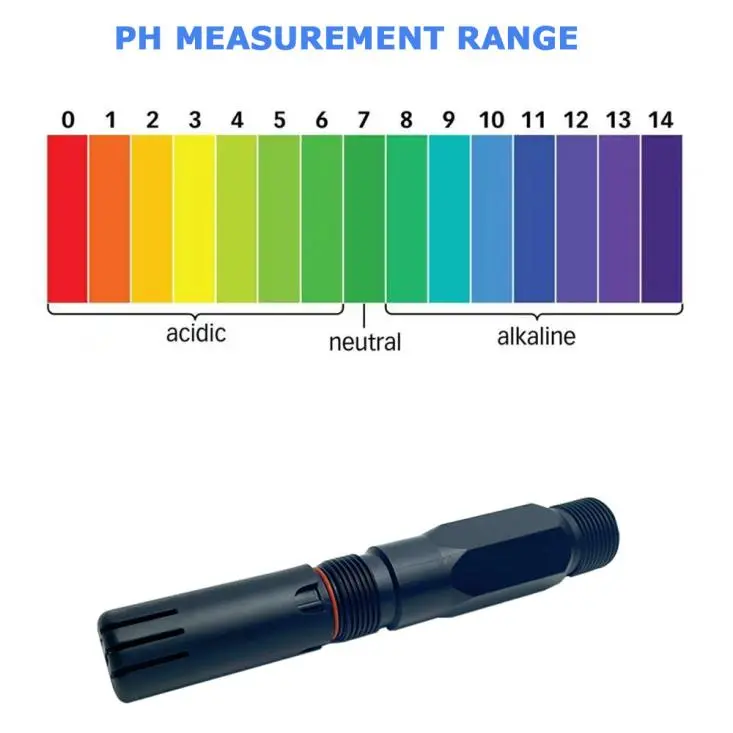
pH is a measure of the acidity or alkalinity of a solution, typically ranging from 0 to 14. A pH of 7 is neutral (like pure water), below 7 is acidic, and above 7 is alkaline. pH plays a vital role in the ecological balance of natural water bodies, the survival and reproduction of fish, the safety of our drinking water, and precision control in industrial processes. Abnormal pH (too acidic or too alkaline) can disrupt aquatic ecosystems, corrode pipes and equipment, and potentially affect drug efficacy, food flavor, and even human health.
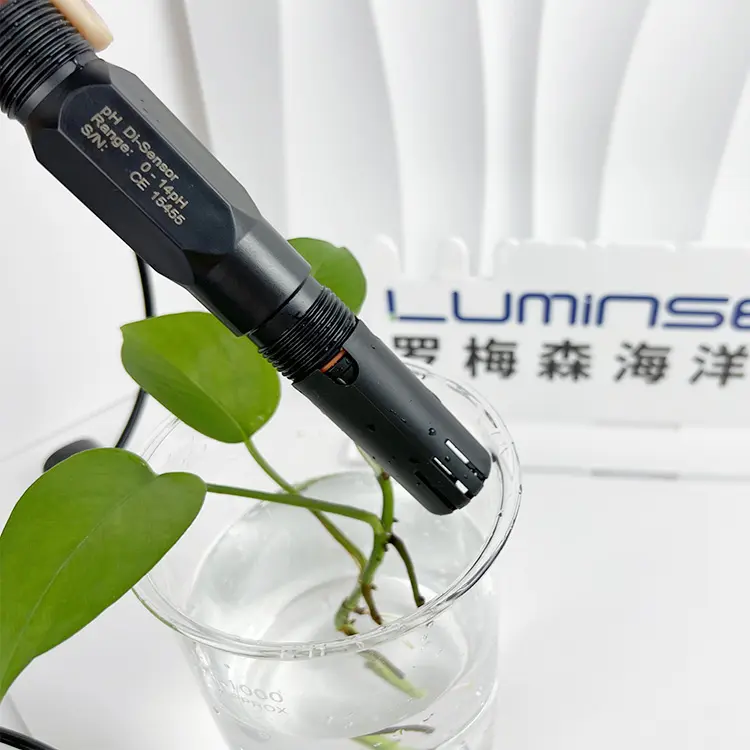
The pH Sensor: The Precise "Electronic Taste Bud"
How do we accurately, quickly, or even in real-time, know the pH of a water sample? This is the core mission of the pH sensor. Think of it as a highly sensitive "electronic taste bud" or "electronic tongue." Its heart consists of a special glass electrode and a reference electrode.
Glass Electrode (Sensing Electrode): Its bulb is made of a special glass membrane highly sensitive to hydrogen ions (H⁺). When immersed in a solution, the difference in hydrogen ion concentration across the membrane generates a tiny electrical potential difference (membrane potential).
Reference Electrode:Provides a stable, known potential as a reference point, unaffected by the solution being tested.
Potential Measurement: The sensor measures the voltage difference (on the millivolt scale) between these two electrodes. Using the Nernst equation, it precisely calculates the solution's pH. The measuring instrument (e.g., a pH meter) converts this tiny electrical signal into a readable pH value.
Modern Sensor Technology Brings New Capabilities
Traditional pH meters are mostly benchtop or portable for lab use. Advances in modern technology, especially the rise of the Internet of Things (IoT), have breathed new life into Ph Sensors:
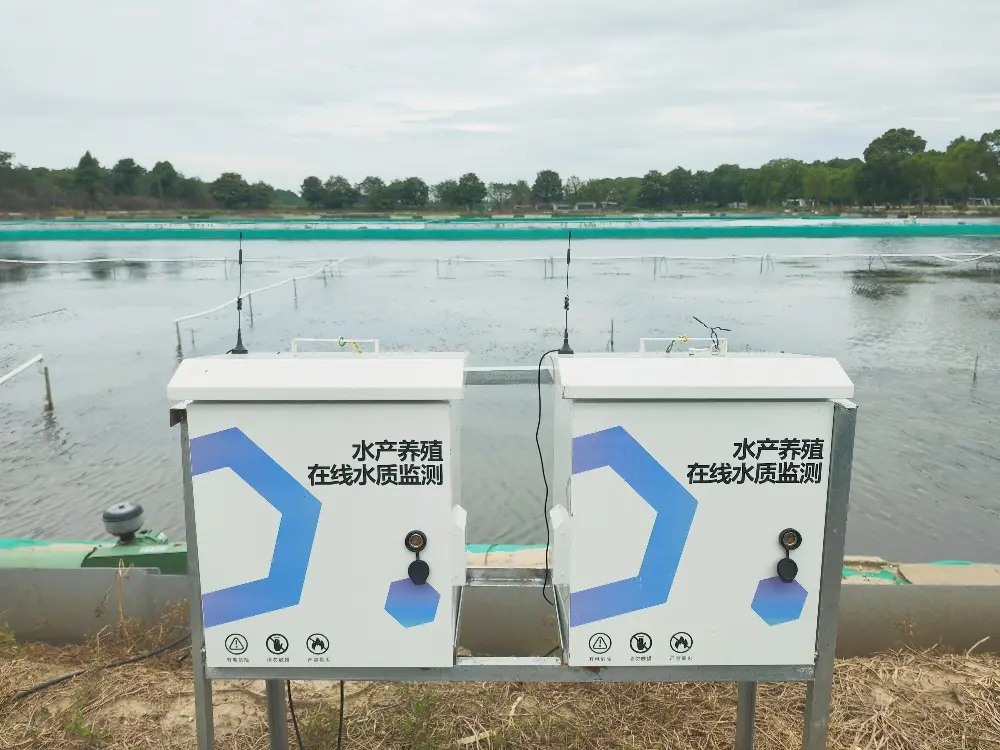
Continuous Online Monitoring:Sensors can be submerged long-term, transmitting real-time data to computers or mobile devices, enabling 24/7 monitoring of critical points like rivers, lakes, wastewater treatment plants, and factory outlets.
Remote Alarms: If pH moves outside preset safe ranges, the system can trigger immediate alerts, enabling rapid response to prevent environmental risks or production incidents.
Data Integration & Analysis: Large volumes of continuous pH data can be combined with other parameters (like dissolved oxygen, turbidity, conductivity) to provide valuable insights for scientists studying environmental changes and engineers optimizing processes.

Ubiquitous Applications
The application scenarios for pH sensors are incredibly diverse:
Environmental Monitoring: Protecting the health of rivers, lakes, and oceans; monitoring acid rain impacts.
Water Management:Ensuring drinking water treatment meets standards; optimizing wastewater treatment processes.
Agriculture:Monitoring soil pH (requires special soil probes), regulating water quality in aquaculture.
Food & Beverage: Controlling fermentation processes (e.g., brewing, yogurt), ensuring product quality.
Industrial Processes:Precise control in chemicals, pharmaceuticals, electroplating, and other industries.
Research & Education: Fundamental research in labs and practical teaching.
Daily Life (Simple Versions):Home aquarium monitoring, swimming pool maintenance.
While the technology is advanced, proper use and maintenance are crucial:
Regular Calibration: This is key to ensuring accuracy, using standard buffer solutions.
Proper Cleaning:The electrode surface must be kept clean to prevent fouling, oil, or grease from affecting response speed and accuracy.
Correct Storage:When not in use, the electrode should be stored wet (typically in special storage solution or pH 4 buffer) to prevent the sensitive glass membrane from drying out and cracking.
The compact pH sensor encapsulates knowledge from chemistry, materials science, and electronics. As a critical "scout" for water health, it silently guards the water resources we depend on and aspects of our daily lives. Understanding its principle and paying attention to the data it provides are important steps we can all take towards collectively protecting the health of our water resources.