






Total Suspended Solids (TSS) Monitoring: Decoding the "Invisible Code" of the Water Environment
In the field of water environment governance and water quality monitoring, Total Suspended Solids (TSS) serves as a crucial "ruler" — it represents the total amount of suspended particles in water and is directly linked to water transparency, pollution load, and ecological health. From process regulation in urban sewage treatment plants, to long-term monitoring of river basin water environments, and to water quality optimization in aquaculture, the accurate acquisition of TSS data is the core prerequisite for the industry to achieve "scientific pollution control and intelligent water management".
For a long time, TSS monitoring has been confronted with multiple technical challenges: although traditional gravimetric methods (such as filtration and weighing) are accurate, they are time-consuming and labor-intensive, failing to meet the demands of real-time monitoring; early optical sensors are easily disturbed by light, chromaticity, bubbles, etc., and have strict requirements for installation environments, leading to data drift and insufficient accuracy. The industry has long yearned for "efficient and accurate TSS monitoring".
With breakthroughs in optical technology and intelligent algorithms, a new generation of Tss Sensors is reshaping the monitoring logic of the industry. Such sensors take the "135-degree backlight principle" as the core (in line with the ISO7027 international standard). Through innovative optical path design and anti-interference technology, they overcome traditional pain points: optical fibers are used as the main body of the optical path, combined with special polishing processes and algorithm optimization, which greatly enhances anti-interference capability and enables stable operation even in complex environments such as direct sunlight; the requirement for the distance from surrounding obstacles is less than 5 cm, adapting to more installation scenarios; built-in chromaticity interference elimination and light source temperature compensation functions ensure data accuracy at the technical level; moreover, through precise optical path design, the amount of standard solution required for calibration is reduced to 30 mL, significantly lowering the operation threshold; some products are also equipped with automatic cleaning brushes to achieve self-maintenance for anti-pollution and air bubble elimination, reducing manual maintenance input.
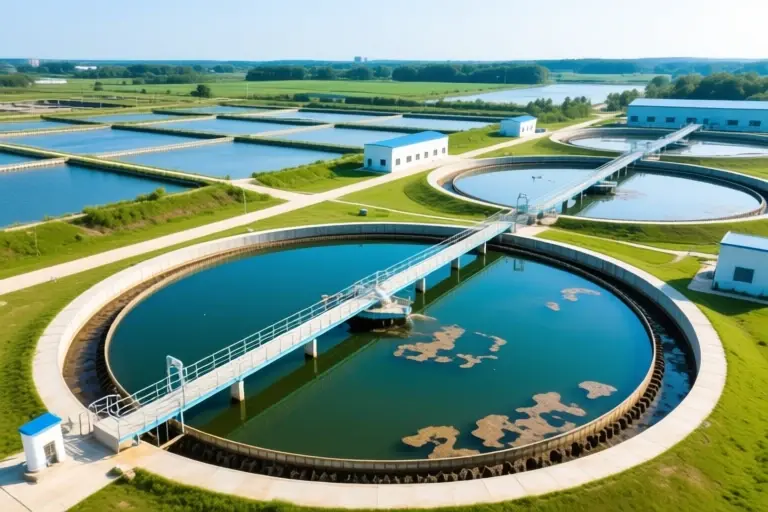
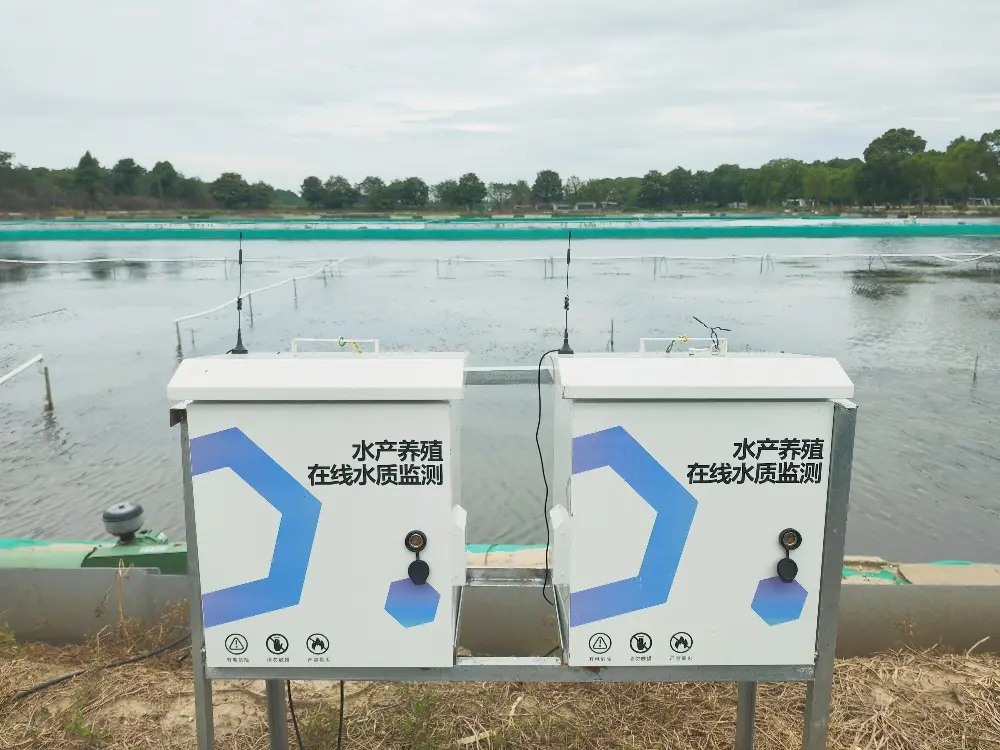
The advancement of technology ultimately centers on "more accurate industrial decision-making": whether it is sewage treatment plants adjusting aeration and sludge discharge processes based on TSS data, environmental departments tracking the migration of suspended pollutants in river basins, or aquaculture enterprises regulating water fertility, the new generation of TSS sensors can provide "real-time, stable and reliable" monitoring support, promoting the upgrading of various fields from "experience-based water management" to "data-driven water governance".
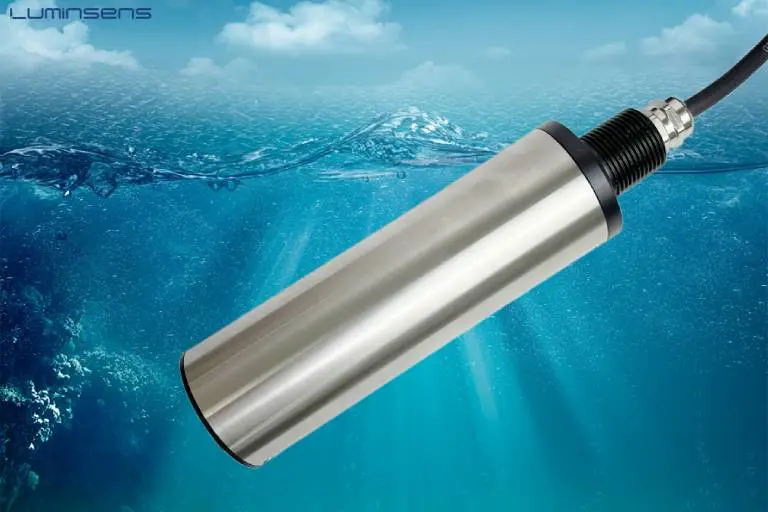
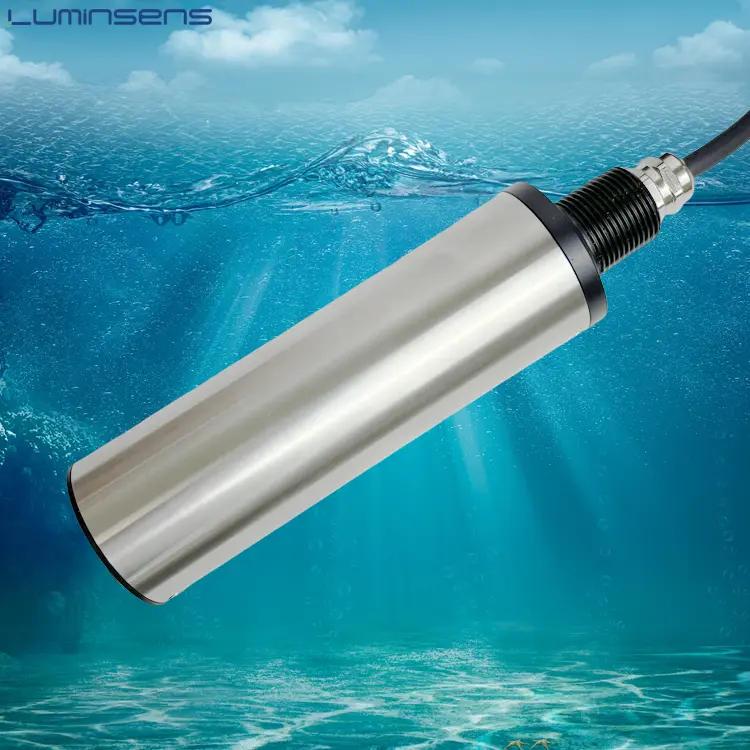
Driven by the trend of technological innovation advancing industrial upgrading, the LMS-TSS100 Total Suspended Solids Sensor has become the focus of the market with comprehensive performance advantages: it covers dual measurement ranges of 0-50000 mg/L and 0-120000 mg/L, and the accuracy reaches "±10% of the measured value (affected by sludge homogeneity) or 10 mg/L (whichever is greater)"; it adopts 9-24 VDC power supply and 316L stainless steel material, and realizes data output through RS-485 and MODBUS protocols, which can be adapted to multi-scenario industrial-grade monitoring systems, providing efficient and accurate TSS monitoring solutions for water environment monitoring, sewage treatment, aquaculture and other fields.