






Water Quality Monitoring Parameters in Recirculating Aquaculture Systems
In recirculating aquaculture systems (RAS), the stability and controllability of water quality are core elements to ensure the healthy growth of cultured organisms and improve aquaculture efficiency. Scientific and effective water quality monitoring relies on precise control of key parameters. The following details the key water quality parameters that need to be monitored in recirculating aquaculture systems.
Physical Parameters
Temperature is the primary physical parameter. The metabolism, feeding rate, and growth rate of cultured organisms are closely related to water temperature. Different species of aquatic organisms have specific suitable temperature ranges. Once the water temperature exceeds this range, it may lead to growth stagnation or even death. For example, salmon are usually suitable for water temperatures of 10-18°C, while tilapia prefer water temperatures of 25-32°C.
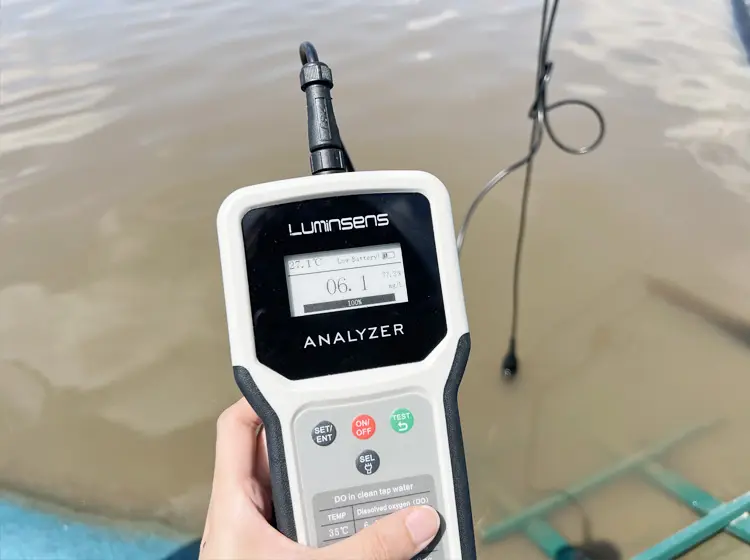
Dissolved oxygen content is also one of the key physical parameters. Aquatic organisms depend on dissolved oxygen in water for survival. When the dissolved oxygen content is too low, it will cause hypoxia in cultured organisms, leading to phenomena such as floating heads and suffocation deaths. Generally, the dissolved oxygen content in aquaculture water should be maintained above 5mg/L.
In addition, the transparency and Turbidity of water need to be monitored. Transparency reflects the light transmittance of the water body, affecting the photosynthesis of aquatic plants; excessive turbidity may indicate that the water body contains too many suspended particles, affecting the respiration of cultured organisms and the stability of water quality.
Chemical Parameters
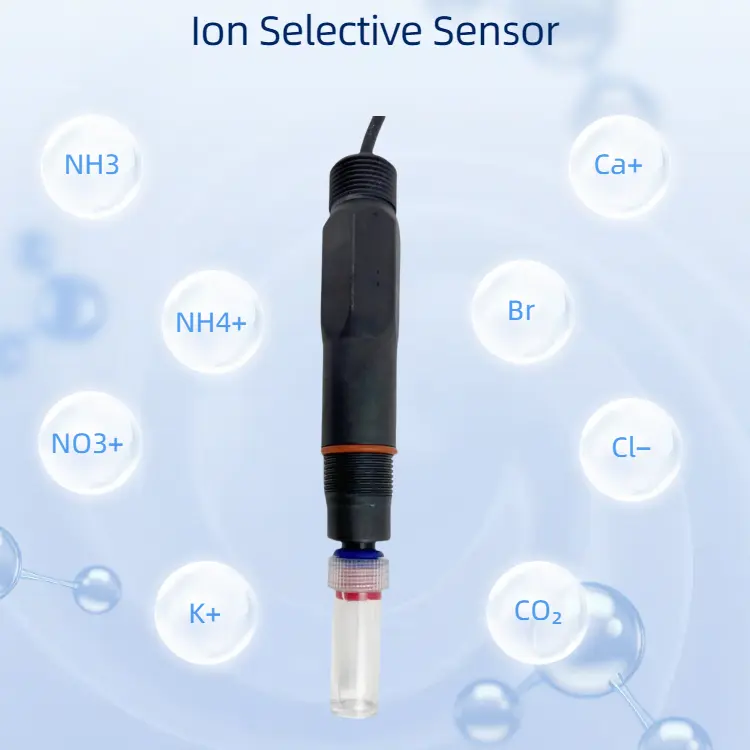
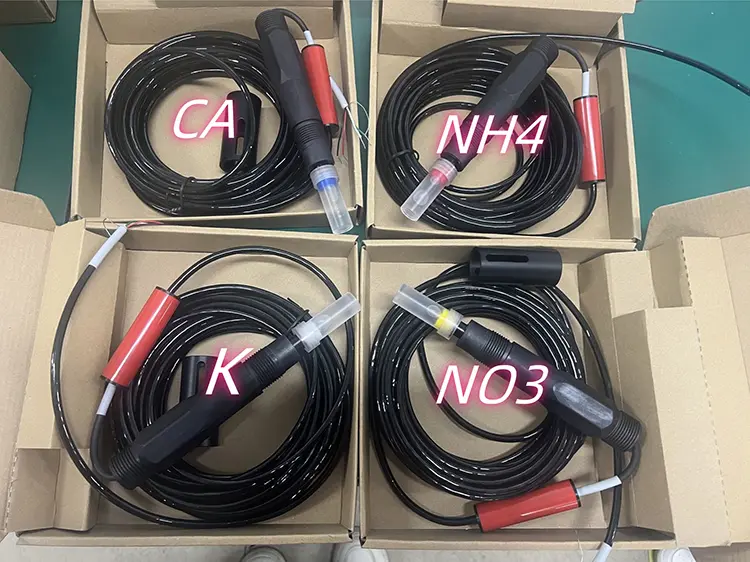
Ammonia nitrogen is a chemical parameter that must be strictly monitored in recirculating aquaculture systems. The decomposition of excreta and residual bait of cultured organisms will produce ammonia nitrogen, which is toxic to aquatic organisms. Especially under alkaline conditions, ammonia nitrogen will be converted into more toxic non-ionic ammonia, causing damage to the gills and nervous systems of cultured organisms. Generally, the ammonia nitrogen content in water should not exceed 0.5mg/L.
Nitrite cannot be ignored either. Nitrite is an intermediate product in the nitrification process of ammonia nitrogen. It will affect the transport of oxygen in the blood of cultured organisms, leading to tissue hypoxia. In general, the nitrite content should be controlled below 0.1mg/L.

The pH value is also crucial. It affects the form and effectiveness of chemical substances in the water body and the physiological functions of cultured organisms. Different aquaculture species have different requirements for pH value. Most freshwater aquaculture organisms have a suitable pH range of 6.5-8.5.
There are also total alkalinity and total hardness. Total alkalinity can buffer the change of water pH value and maintain water quality stability; total hardness is related to the bone development of aquatic organisms, and a reasonable range of total alkalinity and total hardness helps maintain the balance of the aquaculture system.
Biological Parameters
The total number of bacteria and specific pathogenic bacteria in the water body are the focus of biological parameter monitoring. Excessive bacteria can lead to water deterioration and the spread of diseases; specific pathogenic bacteria such as Vibrio may directly infect cultured organisms, causing large-scale diseases.
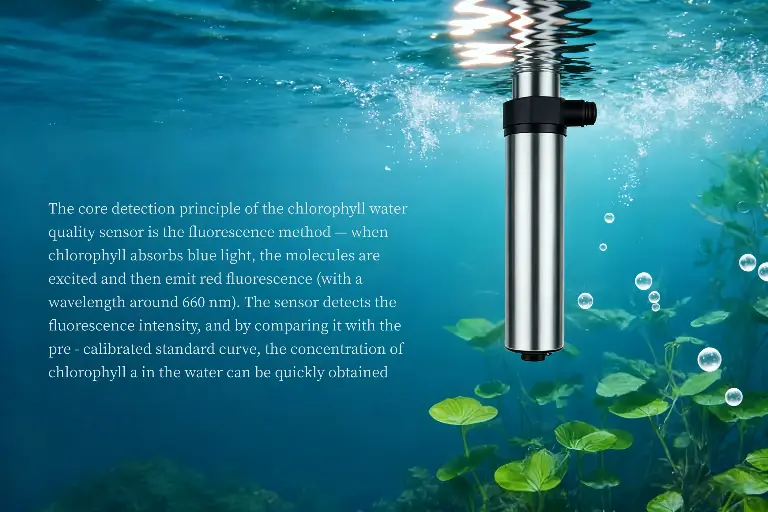
In addition, the types and quantities of plankton need attention. An appropriate amount of phytoplankton can produce oxygen through photosynthesis, and zooplankton can serve as natural bait for some cultured organisms. However, excessive reproduction or unbalanced species of plankton may lead to water quality deterioration and a sudden drop in dissolved oxygen.
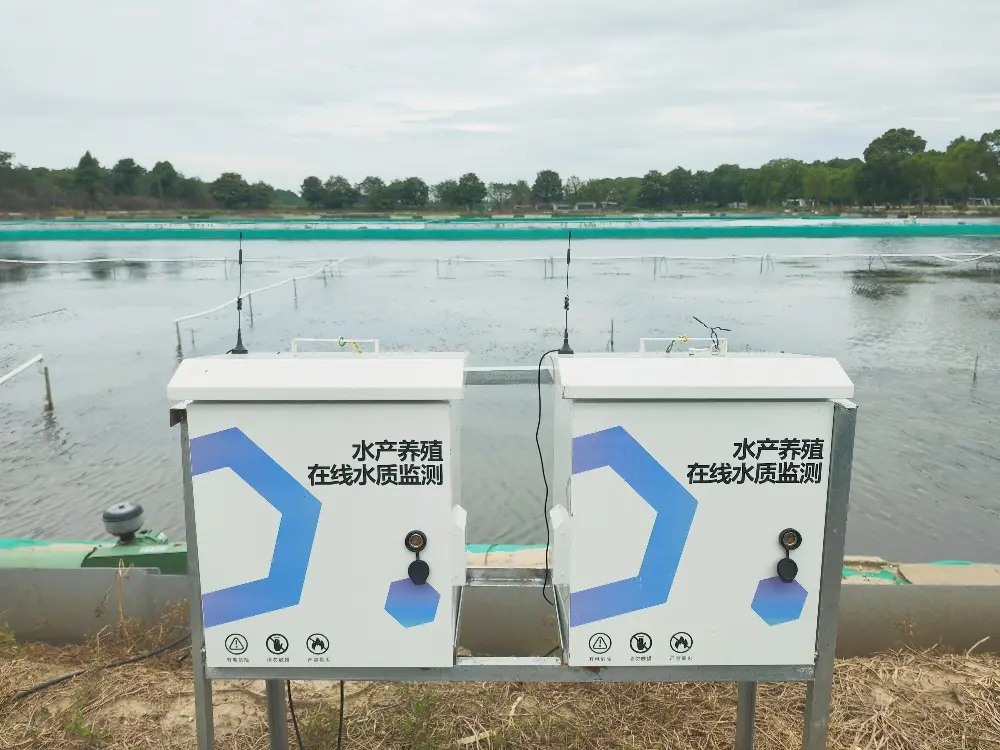
Through continuous monitoring and regulation of these parameters, water quality problems in recirculating aquaculture systems can be found in time, and corresponding measures can be taken to adjust, creating a good living environment for cultured organisms, thus realizing the sustainable development of recirculating aquaculture.