






Custom Wireless Water Quality Sensors - Leading Manufacturers & Factories
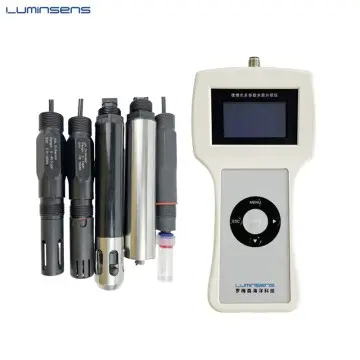
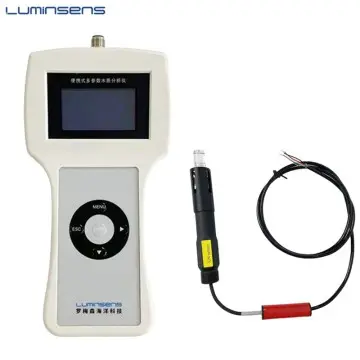
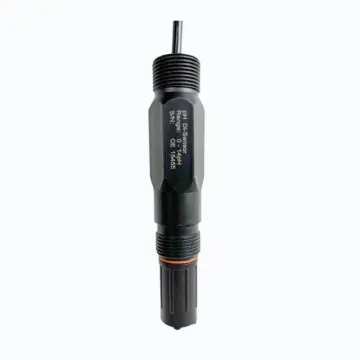
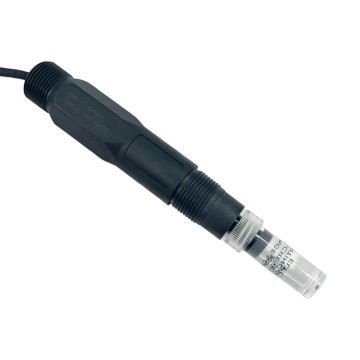
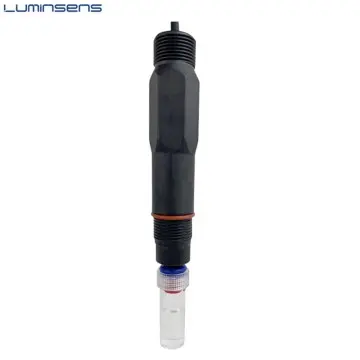
For effective water quality monitoring, selecting the right technology is essential. Our Wireless Water Quality Sensors provide unmatched precision and reliability, making them perfect for a range of marine applications. These customizable sensors can be tailored to meet your specific needs, ensuring smooth integration into your current systems. As a dedicated manufacturer, we focus on advanced production techniques and stringent quality control measures to deliver robust and efficient products. Reliable data is crucial for your operations, and our sensors are designed to provide just that. With extensive expertise in marine technology, Qingdao LuminSens Marine Technology Co., Ltd. is committed to supporting your business goals. Enhance your water quality monitoring capabilities with our cutting-edge sensors. Reach out to learn more about how we can assist your projects!

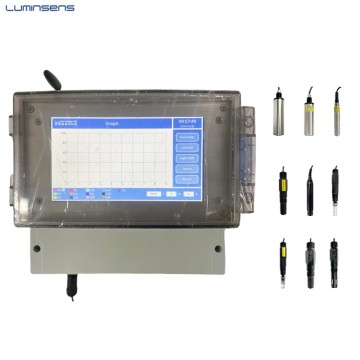
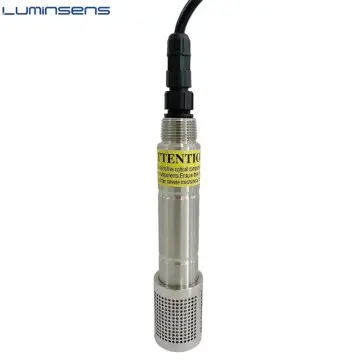
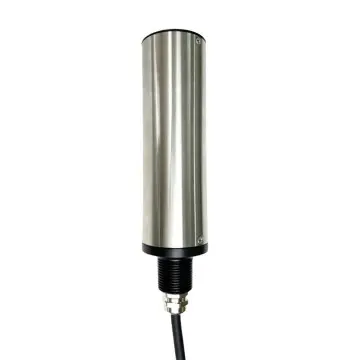
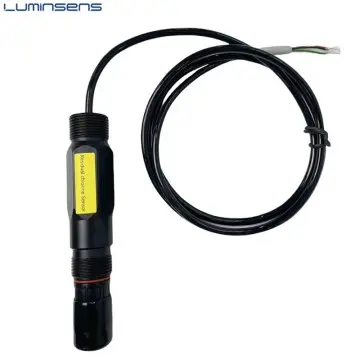
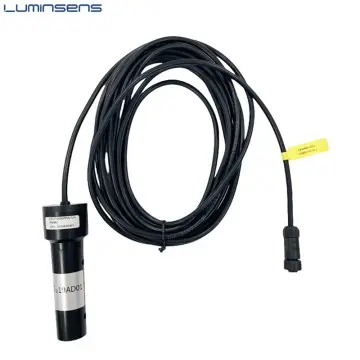
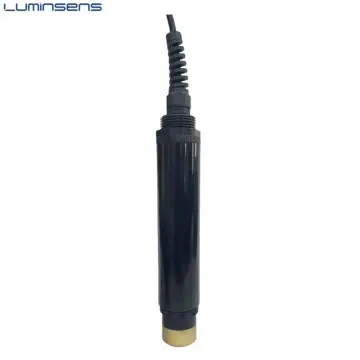
Exploring Wireless Water Quality Sensors Delivers Unmatched Quality Supplier
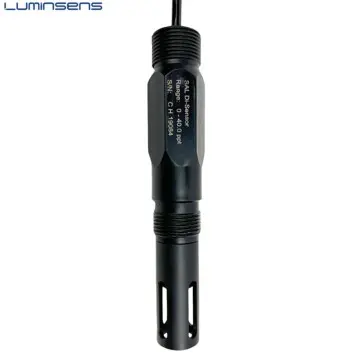
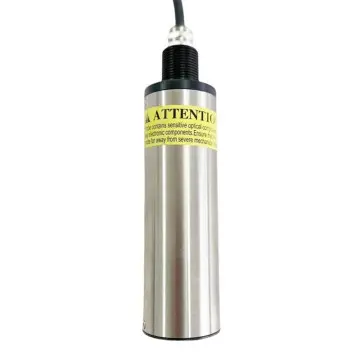
In today's rapidly evolving industries, the demand for reliable and efficient water quality monitoring solutions is more critical than ever. Our pioneering wireless water quality sensors in dissolved oxygen, turbidity, chlorophyll, and blue-green algae provide unmatched quality and performance for various applications, including aquaculture, environmental monitoring, biomedicine, and industrial processes. As global suppliers seek cost-effective and innovative products, we stand out as a trusted partner by addressing their most pressing challenges with cutting-edge technology. Our sensors harness the latest advancements to deliver real-time, accurate measurements, ensuring that industries can respond quickly to changing water quality conditions. Whether it's optimizing fish farming operations or ensuring the safety of bathing waters, our solutions empower organizations to maintain compliance and safeguard environmental health. By leveraging wireless technology, we offer unparalleled convenience and flexibility, enabling seamless integration into existing systems while reducing operational costs. As a supplier dedicated to driving impact through innovation, we invite global purchasers to explore how our water quality sensors can enhance their operations. By investing in our products, you are not only ensuring the highest standards of quality but also contributing to sustainable practices that are increasingly vital in today’s market. Choose our advanced technology to lead the charge in effective water quality management.
Exploring Wireless Water Quality Sensors Delivers Unmatched Quality Supplier
| Sensor Type | Measurement Parameters | Connection Type | Battery Life | Operating Range |
|---|---|---|---|---|
| pH Sensor | pH level | WiFi | 2 years | 0-14 pH |
| Turbidity Sensor | Turbidity (NTU) | Cellular | 1.5 years | 0-1000 NTU |
| Conductivity Sensor | Conductivity (µS/cm) | Bluetooth | 3 years | 0-2000 µS/cm |
| Dissolved Oxygen Sensor | Dissolved Oxygen (mg/L) | LoRaWAN | 2 years | 0-20 mg/L |
| Temperature Sensor | Water Temperature (°C) | Zigbee | 4 years | -5 to 50 °C |
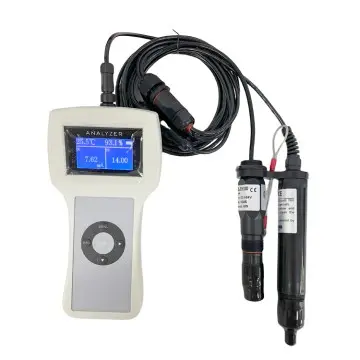
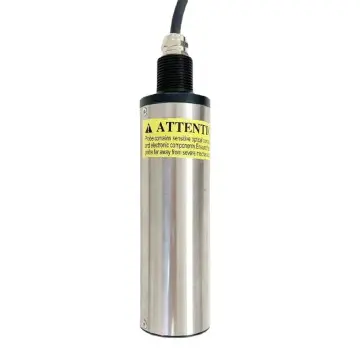
How To Compare Wireless Water Quality Sensors Supplies the World’s Top Brands Sets the Industry Standard


M
Matthew Adams
High-quality product with a wonderful user experience from start to finish.
18 May 2025
C
Carter Perez
The service was professional and prompt. They resolved my inquiries quickly.
22 June 2025
N
Nolan Rivera
Very satisfied with my experience. The quality speaks volumes!
01 June 2025
R
Riley Hayes
The team was responsive and very knowledgeable. Truly a pleasant interaction!
05 June 2025
A
Ariana Jenkins
Outstanding! The product quality is better than I expected.
17 June 2025
E
Elena Morris
The craftsmanship on this product is just superb. Very impressive!
31 May 2025