2026 Best Pool Water Tester Reviews and Buying Guide?
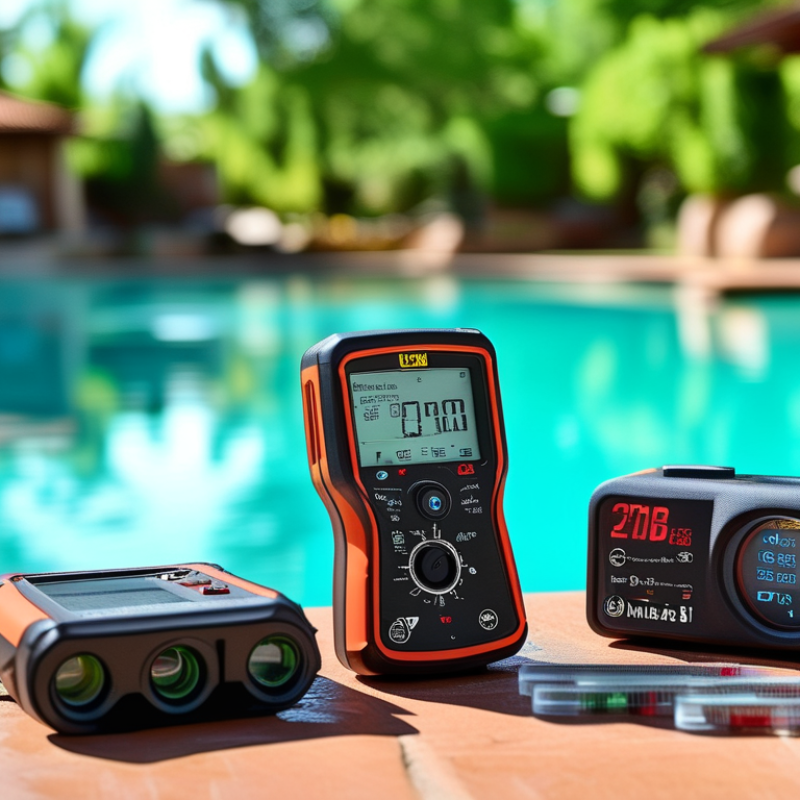
When it comes to maintaining a safe and enjoyable swimming pool, a reliable Pool Water Tester is essential. These devices help you measure key water parameters, ensuring your pool is clean and safe for swimmers. With so many options available, choosing the right tester can feel overwhelming.
In 2026, advancements in technology have led to new models that offer improved accuracy and ease of use. Some testers provide quick results, while others connect to your smartphone for in-depth analysis. However, the wide range of products can make it challenging to find one that fits your needs. You might wonder if a more expensive model is worth it.
This guide aims to simplify your decision process. We will explore the best Pool Water Testers on the market, discussing their features, benefits, and any potential drawbacks. Whether you are a pool maintenance expert or a first-time pool owner, understanding these tools will help you achieve a healthier swimming environment.
Understanding the Importance of Pool Water Testing
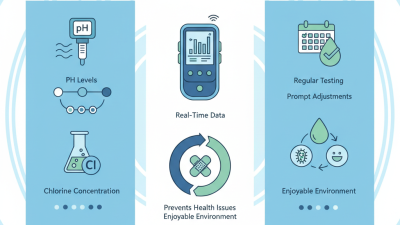
Testing your pool water regularly is essential for maintaining a safe swimming environment. Proper water balance prevents skin irritation and protects against harmful bacteria. Surprisingly, many pool owners overlook this critical task. They may assume that clear water means clean water, but that’s not always the case.
Understanding the chemistry of pool water is a key part of pool maintenance. pH levels, chlorine, and alkalinity need to be kept in check. An imbalanced pool can lead to costly repairs over time. For example, low pH can cause corrosion, while high pH levels can cloud water. Regular testing can help detect these issues early, saving you time and money in the long run.
Some users find water testing kits confusing. They may struggle with color comparison or interpreting results. This creates doubts about the pool's safety. Many first-time testers overlook the importance of using accurate testing tools. The right kit can provide clearer insights. Embracing this practice is crucial for pool health and user safety. Regular testing not only enhances water quality but also ensures a pleasant swimming experience.
Key Features to Look for in a Pool Water Tester
When selecting a pool water tester, several key features matter immensely.
Accuracy is paramount. A precise reading ensures that you maintain safe water conditions. Look for testers that provide reliable results. These devices should be reliable in a variety of water conditions.
Ease of use is another crucial feature. A user-friendly interface can make a big difference. Some testers feature clear displays and intuitive buttons. This design is essential for quick checks. Portability also adds value. Lightweight testers are easy to carry, especially for pools of varying sizes.
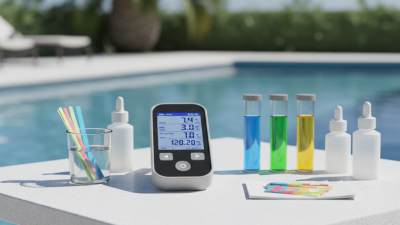
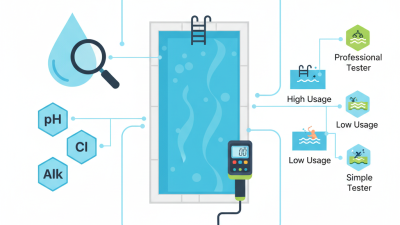
Consider the testing options available. Some testers analyze pH, chlorine, and alkalinity. Others offer more advanced metrics. It’s important to assess your needs. Regular maintenance of your pool requires understanding its chemistry. Balancing the elements can be challenging. Choosing the right tester can simplify this process greatly. You might miss some readings at first, and that’s okay. Experience will improve your accuracy over time.
Top 2026 Pool Water Testers: Detailed Reviews
Selecting the right pool water tester can be overwhelming. With numerous options available, understanding their features is crucial. Effective testers provide clear readings for chemical levels, helping pool owners ensure safe swimming conditions. Accuracy in measuring pH, chlorine, and alkalinity is vital for maintenance.
In the 2026 pool water tester reviews, several models stand out. Some testers are user-friendly with digital displays, while others rely on traditional strips. Compact and portable designs make testing convenient anywhere. However, the precision of readings can vary. Regular calibration is essential for reliable results.
Testing frequently is important to maintain water quality. Many people forget how often they should check their pool. It can lead to imbalances that are harmful. A quality tester helps avoid these common mistakes by guiding users through the process. Choosing wisely, based on reviews and specific needs, enhances pool enjoyment.
Comparative Analysis of Digital vs. Traditional Pool Testers
When choosing between digital and traditional pool water testers, there are several factors to consider. Digital testers are popular for their ease of use and accuracy. They can provide quick results, often in less than a minute. In contrast, traditional testers, such as test strips or liquid kits, require more time and knowledge to interpret results. According to a recent industry report, 70% of pool owners now prefer digital testers due to their convenience.
However, traditional methods are not without merit. Many professionals still trust them for comprehensive analysis. Liquid kits can detect specific chemicals with greater detail. They often identify imbalances that digital testers might miss. Yet, the need for precision can lead to human error. Inadequate handling or interpretation may cause miscalculations. It's essential to consider the user's skill level when selecting a tester.
Tips for pool maintenance start with accurate water testing. Always follow the manufacturer's instructions. Ensure your testing kit is calibrated and stored correctly. Regularly check chemical levels for better water quality. Remember, maintaining proper pH, chlorine, and alkalinity ensures safe swimming conditions. Being informed about these differences helps make the right choice for your pool care needs.
Tips for Maintaining and Calibrating Your Pool Water Tester
When maintaining your pool water tester, calibration is essential. Regular checks ensure accurate readings. Water chemistry fluctuates, affecting your pool's balance. Skipping calibration may lead to misinterpretations, risking your pool’s health.
To maintain your tester, store it in a cool, dry place. Avoid exposing it to extreme temperatures. Rinse it after each use to prevent residue build-up. Consider using distilled water for calibration. It helps in achieving precise results.
Ensuring the tester is clean is crucial. Debris can skew your readings. Inspect the probes periodically; any signs of wear may indicate a need for replacement. Calibration every few weeks can boost the effectiveness of your readings significantly. Proper care can extend the life of your tester.
2026 Best Pool Water Tester Reviews and Buying Guide
| Model |
Type |
Test Parameters |
Accuracy |
Price Range |
| Digital Pool Tester |
Digital |
pH, Chlorine, Alkalinity |
±0.1 pH |
$50 - $100 |
| Test Strips Kit |
Test Strips |
pH, Chlorine, Hardness |
±0.2 pH |
$15 - $25 |
| Liquid Test Kit |
Liquid |
pH, Chlorine, Bromine |
±0.1 pH |
$20 - $40 |
| Smart Pool Tester |
Smart |
pH, Chlorine, Salinity |
±0.1 pH |
$100 - $200 |
| Portable Pool Tester |
Portable |
pH, Chlorine |
±0.2 pH |
$30 - $60 |





 Contact WhatsApp
 Contact Phone
 Contact Email