How to Choose the Best Water Current Meter for Your Needs?
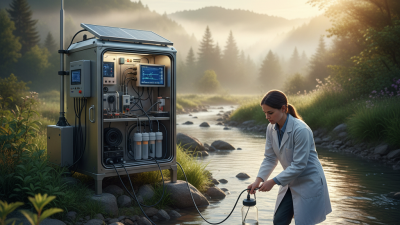
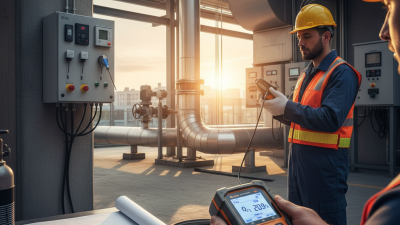
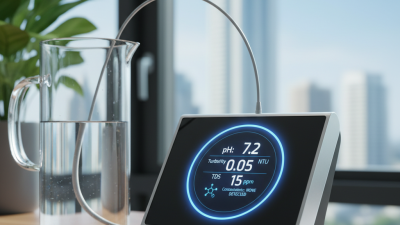
Selecting the right Water Current Meter can significantly impact data accuracy in hydrological studies. According to a recent industry report by HydroMetrics, more than 70% of field researchers face challenges when measuring water currents effectively, underscoring the need for optimal equipment. Dr. James Holloway, a leading expert in fluid dynamics, emphasizes, "Choosing the right meter isn't just about technology; it shapes the future of water resource management."
When considering a Water Current Meter, one must evaluate specific requirements. Sensors, data logging capabilities, and environmental compatibility are paramount. Many users overlook these aspects, leading to suboptimal results. A poorly chosen meter can result in misleading data, and this can hamper research quality. It's crucial to reflect on what features truly align with your project goals.
Furthermore, budget constraints often influence purchasing decisions. However, cutting corners on equipment can result in long-term costs, especially if data needs reevaluation. As you search for the ideal Water Current Meter, ensure that you balance cost with quality and reliability. This will help pave the way for more accurate and dependable findings in your water studies.
Understanding the Different Types of Water Current Meters
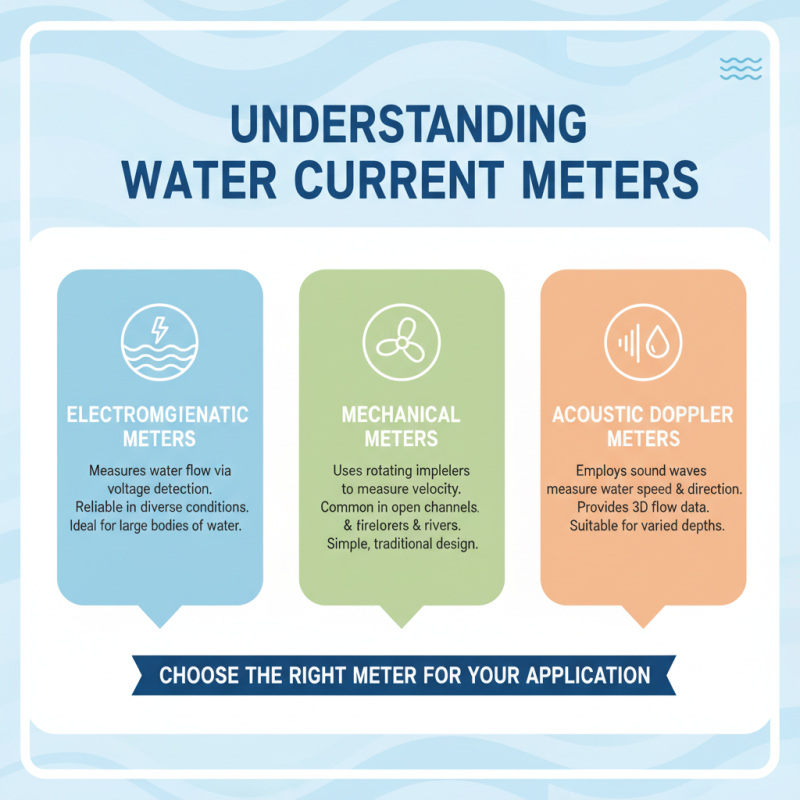
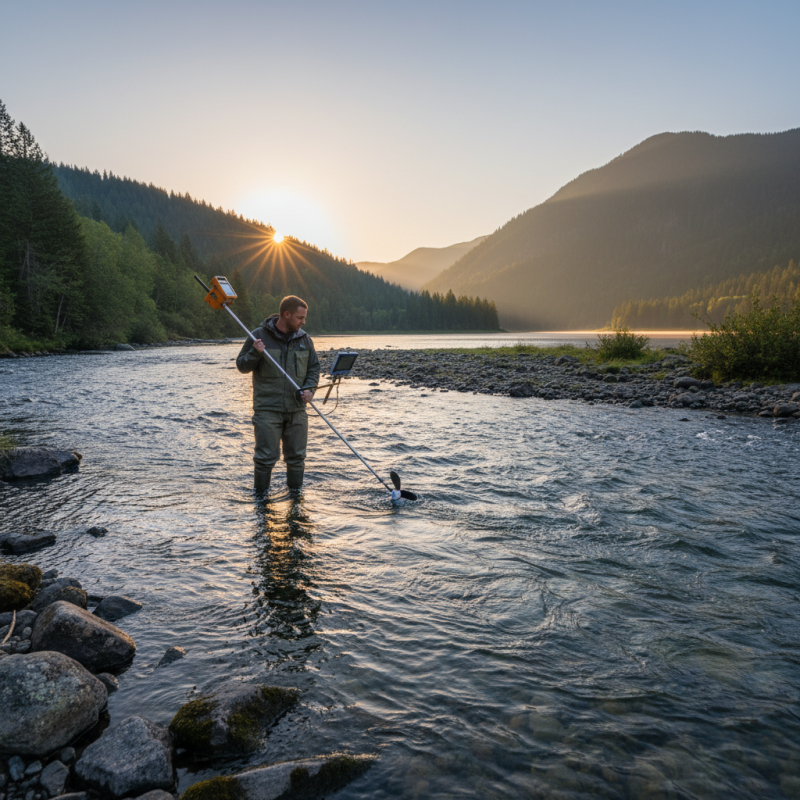
When choosing a water current meter, understanding the types available is essential. There are several different types. Each serves unique purposes. For instance, electromagnetic meters measure the flow of water by detecting voltage changes. This type is reliable in various conditions and is often used in larger bodies of water.
Mechanical meters, on the other hand, rely on moving parts. They can be less accurate in turbulent conditions but are often more affordable. Choosing between these types involves considering your specific needs. Do you need high precision or a budget-friendly option? The decision might not be straightforward. Factors like local weather conditions and water salinity also come into play.
Additionally, ultrasonic meters offer a non-intrusive way to measure flow. They send sound waves through the water. The time taken for these waves to return indicates the speed of the current. This method can be highly effective but may require a deeper understanding of the technology. Each choice comes with its pros and cons, making it crucial to reflect on your specific requirements before purchasing.
Key Features to Consider When Selecting a Water Current Meter
When selecting a water current meter, certain key features require careful consideration. Accuracy is crucial. It determines how reliable your readings will be. Look for instruments that provide detailed measurement capabilities, including flow velocity and direction. A high-resolution display enhances usability, making data interpretation easier in various conditions.
Portability also plays a significant role. If you plan to conduct fieldwork, lightweight and compact meters are essential. Additionally, battery life can affect your operational capability in remote areas. Consider devices that offer long-lasting performance. Plus, some meters come with data logging options which can help track trends over time.
Lastly, ensure the meter has weather-resistant features. Utter reliability can diminish under harsh conditions. Mistakes in measurement can lead to flawed conclusions. Conducting thorough research on user reviews can highlight potential drawbacks of specific models. Balancing these factors will guide you towards a meter that truly aligns with your needs and environmental conditions.
Assessing Accuracy and Calibration for Water Current Meters
When choosing a water current meter, accuracy is paramount. Accurate measurements ensure reliable data for research or practical applications. Calibration plays a crucial role in achieving this accuracy. According to industry reports, a well-calibrated meter can enhance measurement precision by up to 30%. Regular calibration checks help maintain accuracy over time.
Calibrate your meter frequently. This prevents drift in measurements. Environmental factors can affect readings. Changes in temperature or pressure may lead to variances. Select a calibration standard that aligns with your measurement requirements. Smaller meters may need field calibrations, while larger, fixed meters may require laboratory calibration.
Tip: Always document calibration dates and results. This practice builds a reliable history of your meter's performance. Engage with the user community for best practices and potential adjustment insights. Make informed decisions based on shared experiences. Calibration might feel tedious, but it's essential for valid data collection. Don't overlook its importance; humbly rethink previous calibration routines.
Evaluating Portability and Durability in Water Current Meters
When selecting a water current meter, portability and durability matter greatly. These features ensure that your device withstands harsh conditions and is easy to transport. Look for lightweight materials without compromising strength. A meter that fits comfortably in your pack enhances fieldwork efficiency.
Tips for evaluating portability: Consider the size and weight of the meter. It should be compact enough to carry easily. Also, check how quickly it sets up for readings. A model that assembles swiftly saves time when every second counts.
Durability is vital for a long-lasting investment. Check materials like corrosion-resistant alloys or rugged plastics. An ideal meter should endure drops, bumps, and the elements. Look for models with a strong reputation for surviving tough conditions.
Tips for assessing durability: Research user reviews and product lifespan. Examine warranty details to gauge manufacturer confidence. A well-made current meter can withstand years of use. Consider your local environment. Ensure that the meter can handle specific conditions you will encounter in the field.
Water Current Meter Comparison Table
| Model |
Portability (Weight) |
Durability (Material) |
Battery Life |
Measurement Range |
Price |
| Model A |
2.5 kg |
Aluminum Alloy |
30 hours |
0.1 - 5 m/s |
$500 |
| Model B |
1.8 kg |
Stainless Steel |
25 hours |
0.05 - 4 m/s |
$400 |
| Model C |
3.0 kg |
Plastic Composite |
35 hours |
0.1 - 6 m/s |
$550 |
| Model D |
2.2 kg |
Carbon Fiber |
28 hours |
0.1 - 5.5 m/s |
$620 |
Budget Considerations for Purchasing Water Current Meters
When considering a water current meter, budget plays a crucial role. Prices can vary significantly based on features, accuracy, and brand reputation. Industry reports indicate that high-end models can cost upwards of $1,500, while basic meters might start around $300. It’s essential to assess your specific requirements before investing.
One significant expense to consider is the maintenance of the equipment. Regular calibration and potential repairs can add to your overall cost. A study by the Water Resources Research Institute highlights that nearly 20% of annual operation budgets for environmental monitoring are spent on maintenance. Budgeting for these costs will help ensure that your investment provides long-term value.
Additionally, make informed decisions by consulting reviews and expert opinions. A comprehensive overview from the International Association of Hydrological Sciences suggests that many users underestimate the total expenses associated with water current meters. Investing in cheaper equipment may lead to higher costs in the long run due to low accuracy. Consider not just the purchase price, but the entire lifecycle costs to make a wise choice.





 Contact WhatsApp
 Contact Phone
 Contact Email