What is a Water Quality Monitoring Station and its benefits?
Water Quality Monitoring Stations play a crucial role in safeguarding our water resources. According to Dr. Emily Carter, a leading environmental scientist, “These stations are essential for tracking water quality trends.” They provide real-time data that help authorities respond to potential hazards quickly.
Water Quality Monitoring Stations collect samples and analyze pollutants. This involves rigorous testing of physical, chemical, and biological parameters. Communities depend on this data to ensure safe drinking water and healthy ecosystems. Frequent monitoring can reveal seasonal changes in water quality and indicate emerging environmental issues.
Despite their importance, many regions lack adequate monitoring systems. This gap can lead to delayed responses to pollution events. Ensuring that all areas have access to reliable Water Quality Monitoring Stations is critical. We must reflect on our current capacities and address areas needing improvement. Only then can we fully protect our water sources.
What is a Water Quality Monitoring Station?
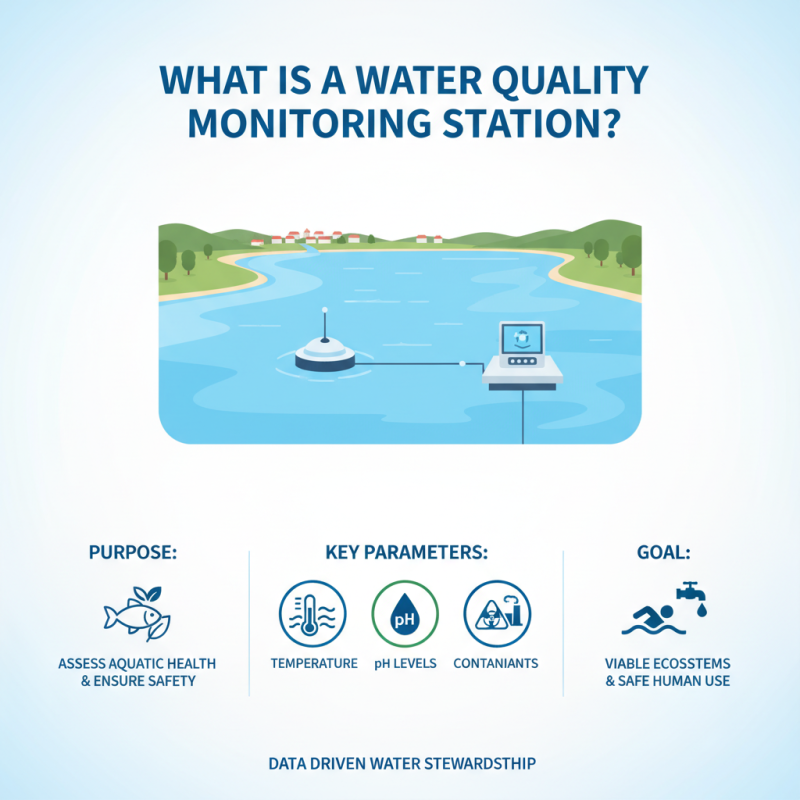
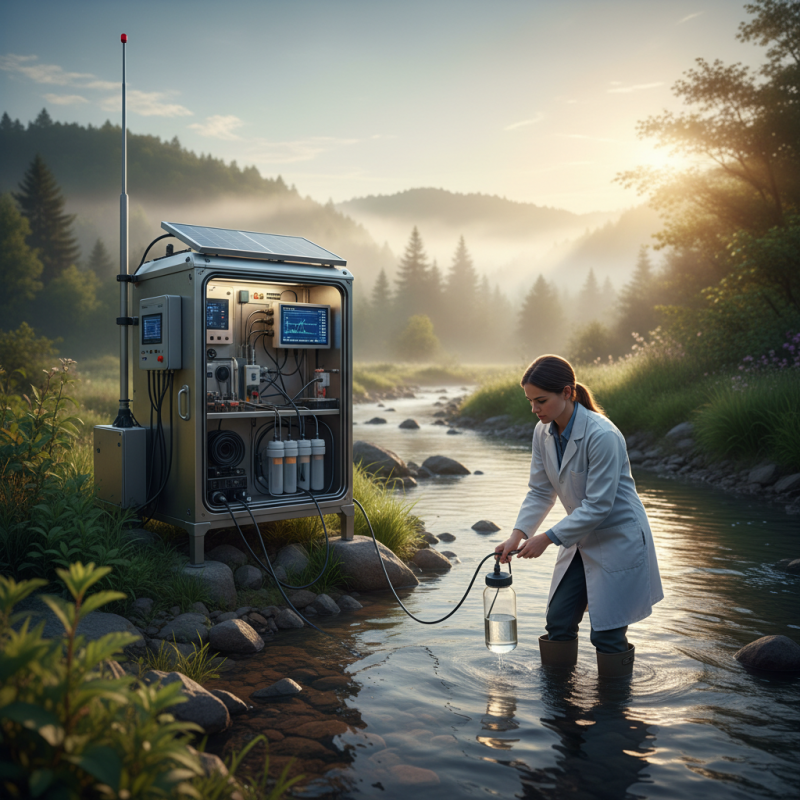
A water quality monitoring station is a specialized setup designed to assess the health of water bodies. These stations collect data on various parameters, such as temperature, pH levels, and contaminants. The goal is to ensure that aquatic ecosystems remain viable and safe for human use.
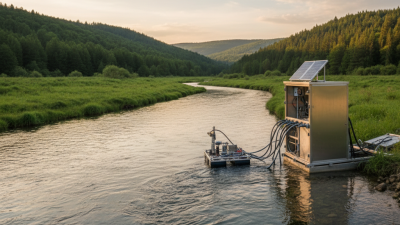
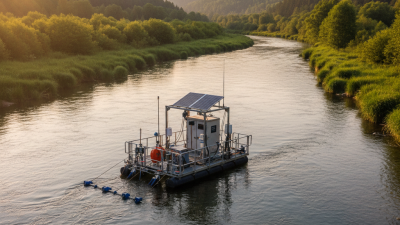
Typically placed near rivers, lakes, or coastal areas, these stations use sensors and laboratory testing. This technology helps identify pollution sources and monitor changes over time. Reliable data allows for effective management of water resources. Monitoring stations can reveal trends that might indicate environmental issues early, but they can be expensive and require regular maintenance.
Despite their importance, not all locations are monitored effectively. Some regions may lack sufficient coverage, leading to gaps in data. Addressing these disparities is crucial for comprehensive water quality management. Investing in more stations could enhance our understanding of water quality challenges. Recognizing where improvements can be made is essential for achieving better outcomes in water safety.
Key Components and Technologies Used in Monitoring Stations
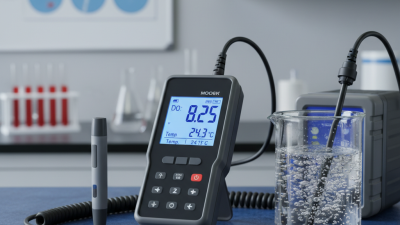
Water quality monitoring stations play a crucial role in assessing environmental health. These stations are equipped with various technologies that ensure reliable data collection. Key components include sensors, data loggers, and communication devices. The sensors measure parameters such as pH, turbidity, and dissolved oxygen. Each of these values provides insights into the water's condition.
The use of advanced technologies enhances monitoring accuracy. For instance, automated sensors can provide real-time readings, facilitating timely responses to pollution events. Data loggers store information for analysis. They help track changes over time and identify trends in water quality. Communication devices transmit data to central databases, making it accessible for decision-makers.
Despite these advancements, challenges remain. Many monitoring stations struggle with sensor calibration, which can compromise data integrity. Environmental conditions may cause malfunctions or inaccuracies. Continuous maintenance is necessary to alleviate these issues. This emphasizes the importance of human expertise in interpreting data and ensuring reliable operations in the monitoring process.
Water Quality Monitoring Station Data Overview
Importance of Real-Time Data Collection for Water Quality
Water quality monitoring stations play a crucial role in assessing the health of our water bodies. These stations collect data in real-time, revealing information that can influence public health and environmental policy. Accurate, timely data is critical for effective water resource management. Monitoring systems help detect pollution and harmful algal blooms, which pose risks to human and aquatic life.
Real-time data collection aids in immediate response efforts. For instance, if contamination is detected, local authorities can act swiftly. Communities benefit from alerts that inform them about potential hazards. This proactive approach enhances public awareness and encourages community engagement.
However, challenges remain in ensuring consistent data quality. Technical failures and data gaps can limit the insights derived from monitoring efforts.
Reliability in water quality data is essential for scientific research. It supports studies on ecosystem health and informs decisions on water usage. Yet, without proper maintenance of monitoring equipment, the data can become unreliable. Continuous evaluation of methods and technologies is necessary. Achieving optimal accuracy requires ongoing effort and collaboration among stakeholders.
Benefits of Water Quality Monitoring for Public Health and Safety
Water Quality Monitoring Stations play a crucial role in safeguarding public health. These stations gather data on contaminants present in water sources, assessing their safety for human consumption and recreational use. According to the World Health Organization, waterborne diseases account for over 3.4 million deaths annually. Quality monitoring helps identify pollution sources, ensuring timely action is taken to protect communities.
Regular monitoring can detect harmful pollutants like heavy metals and bacteria. A study by the Environmental Protection Agency (EPA) estimates that 1 in 10 Americans relies on private wells, which often lack regulatory oversight. By implementing robust monitoring programs, regions can improve water safety and reduce health risks significantly.
Tips: Check local water quality reports. Stay informed about any advisories issued by health departments. Be proactive in addressing any water quality concerns in your community.
Maintaining water quality is not without challenges. Contamination can occur from multiple sources like agricultural runoff or industrial discharge. Even with monitoring, unforeseen events like floods can compromise water safety. Communities must adopt collective measures to ensure consistent monitoring and responsive action, reinforcing their commitment to public health and safety.
Case Studies Demonstrating Effective Water Quality Monitoring Outcomes
Water quality monitoring stations play a crucial role in maintaining healthy ecosystems. They track various water parameters, such as pH, turbidity, and chemical pollutants. This real-time data helps in understanding the water quality trends in different environments. Case studies showcase how effective monitoring has made significant improvements.
In one instance, a monitoring station in a local river revealed alarming levels of nitrates. Authorities used this data to implement stricter agricultural runoff regulations. Over time, water quality improved significantly. Another case involved a coastal monitoring station that indicated increasing plastic waste levels. Community initiatives were launched in response. These efforts led to cleaner beaches and healthier marine life.
However, not every case shows immediate success. Some monitoring efforts met resistance from industries. This demonstrates the ongoing challenge of balancing environmental protection with economic interests. Continuous education and community engagement are essential. By sharing data transparently, communities can encourage collective responsibility towards water quality management. The journey is ongoing, requiring adaptation and learning from past experiences.





 Contact WhatsApp
 Contact Phone
 Contact Email