What is the Best Ammonia Nitrogen Sensor for Accurate Measurement?
Selecting the right Ammonia Nitrogen Sensor is crucial for accurate measurements. These sensors play a vital role in various industries, including wastewater treatment and agriculture. Their ability to detect ammonia nitrogen levels directly impacts environmental monitoring and compliance.
Many factors influence the choice of a sensor. Accuracy, sensitivity, and cost are essential considerations. Some sensors perform well in controlled settings but not in field conditions. Real-world applications can reveal inconsistencies in readings. Therefore, understanding the strengths and weaknesses of each sensor type is vital.
Users often face challenges when trying to select an appropriate sensor. Product specifications can be overwhelming. This can lead to confusion and, at times, misguided decisions. Reflecting on experiences shared by experts can enhance understanding. The right choice leads to better data, more reliable outcomes, and improved processes.
Types of Ammonia Nitrogen Sensors Available on the Market
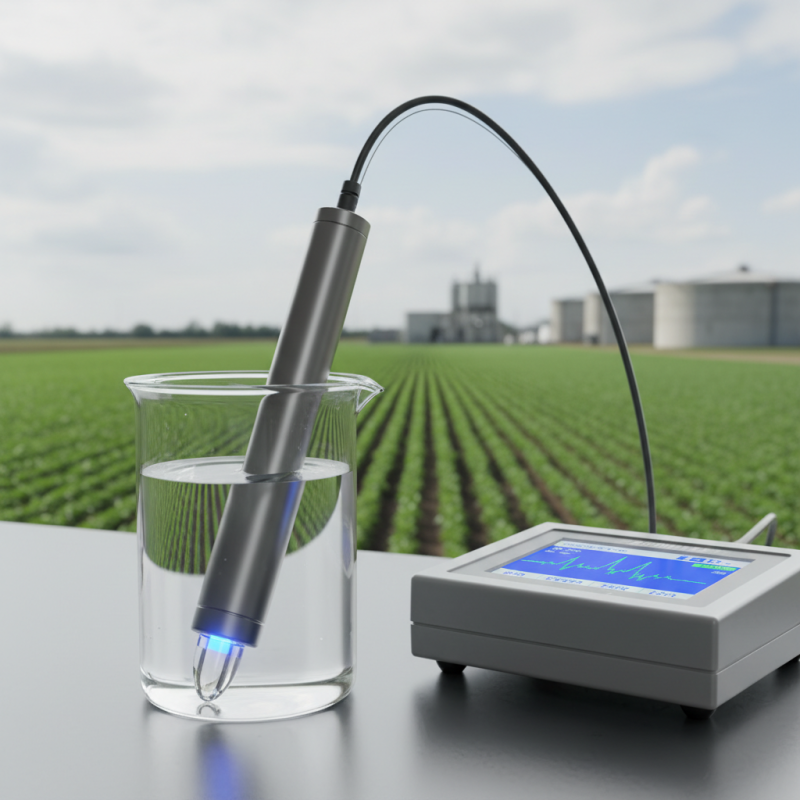
When selecting an ammonia nitrogen sensor, it's essential to understand the types available. Electrochemical sensors are widely used for detecting ammonia in various environments. They measure the concentration of ammonia through a chemical reaction. These sensors are known for their relatively rapid response time.
Another common type is the optical sensor. This technology utilizes light to identify ammonia levels. It provides high accuracy and is less affected by temperature changes. Optical sensors are increasingly popular in water quality monitoring and industrial applications.
There are also ion-selective electrodes, which specifically respond to ammonium ions. These sensors can be precise but may require frequent calibration. Additionally, they can be sensitive to other ions in the sample. This could lead to misleading results under certain conditions.
Choosing the best sensor depends on your specific needs. Durability, range, and response time should guide your decision. Each type has its pros and cons. Balancing accuracy and practicality is key. Understanding these factors can significantly affect your measurement outcomes.
Ammonia Nitrogen Sensor Types and Their Accuracy
Factors Affecting the Accuracy of Ammonia Nitrogen Measurements
Accurate measurement of ammonia nitrogen is crucial in various industries. Several factors can significantly affect these measurements. Environmental conditions play a key role. Temperature fluctuations can alter sensor responses, leading to inaccurate readings.
For instance, studies indicate that a temperature change of just 5°C can result in a sensor drift of up to 20%. This level of variability can skew analysis results.
Another critical factor is the presence of interfering substances. Many sensors struggle when other chemicals are present, which can lead to false readings. Researchers have reported cases where interference from compounds such as phenols can cause ammonia sensors to underestimate concentrations by nearly 30%. This underscores the importance of understanding the specific conditions under which measurements are taken.
Calibration frequency is essential for maintaining the reliability of sensors. Regular calibration ensures the accuracy over time. A long-term study noted that sensors calibrated every three months had a variance of only 5%, while those calibrated annually showed variations of up to 15%. These findings highlight the need for a robust maintenance schedule to enhance measurement precision and reliability.
Comparative Analysis of Top Ammonia Nitrogen Sensors
Ammonia nitrogen sensors are essential in various industries, especially in environmental monitoring and wastewater treatment. Accurate measurement is critical for determining the efficiency of treatment processes and ensuring safety standards. When evaluating sensors, several factors come into play: sensitivity, selectivity, response time, and maintenance needs. These parameters can profoundly influence the reliability of measurements.
One notable aspect is the technology used in these sensors. Some rely on electrochemical principles while others employ optical techniques. Each has its advantages and drawbacks. For example, optical sensors may offer higher sensitivity but can be more expensive. Electrochemical sensors might be more cost-effective but can experience drift over time. Users often face challenges in selecting the right model for their specific applications.
In real-world settings, sensor performance may vary due to environmental conditions, such as temperature or humidity. It's not uncommon for sensors to require frequent calibration to maintain accuracy. Additionally, users must consider the longevity of sensors, as some may degrade faster than expected. This complexity underscores the importance of thorough research and user experience to find the most reliable ammonia nitrogen sensor for accurate measurements.
Applications of Ammonia Nitrogen Sensors in Various Industries
Ammonia nitrogen sensors play a vital role in numerous industries. Their applications range from wastewater treatment to agriculture. In municipal water systems, these sensors help monitor ammonia levels. Accurate measurements ensure that water is safe for consumption. In agricultural settings, sensors assist with monitoring fertilizer application. This leads to optimal crop growth and reduced environmental impact.
In industrial manufacturing, ammonia nitrogen sensors help maintain product quality. Monitoring ammonia emissions is crucial in chemical processes. These sensors ensure compliance with environmental regulations. However, despite advances in technology, some challenges remain. Sensor calibration can be complex, affecting accuracy. Additionally, different environments may impact sensor performance.
Understanding the specific needs of each application is essential. Tailoring the choice of sensor based on the environment can enhance reliability. Continuous advancements in sensor technology must be matched with proper training. Operators need to understand potential limitations and operational challenges. This awareness fosters better decision-making in using ammonia nitrogen sensors.
Best Practices for Using Ammonia Nitrogen Sensors Effectively
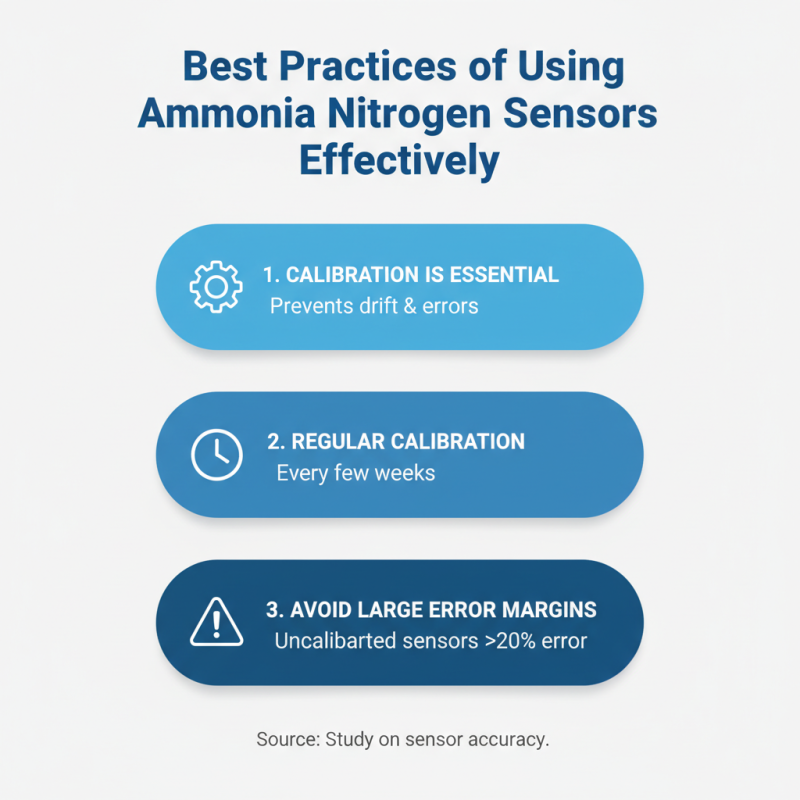
When using ammonia nitrogen sensors, effective practices can significantly improve measurement accuracy. Calibration is essential. Sensors may drift over time, leading to errors. Regular calibration every few weeks improves reliability. One study indicated that sensors that were not calibrated properly had error margins exceeding 20%. This highlights the importance of consistent calibration.
Environmental factors can affect sensor performance. Temperature, humidity, and pressure can alter results. A controlled environment helps maintain consistent readings. For instance, extreme temperatures can reduce the sensor's responsiveness. Some studies suggest that monitoring should occur in stable conditions, ideally between 15 to 25 degrees Celsius.
Routine maintenance is vital. Dust and contaminants on sensors can skew results. Cleaning sensors regularly ensures optimal functionality. Within high-traffic areas, sensors can become dirty quickly. Regular checks and cleaning can prevent unnoticed errors. Users should document maintenance routines to identify patterns in sensor performance, revealing potential issues over time.





 Contact WhatsApp
 Contact Phone
 Contact Email