Why Choose a Cod Sensor for Your Environmental Monitoring Needs?
In today's world, environmental monitoring plays a crucial role in protecting our ecosystems. Choosing the right tools is essential. Experts emphasize the importance of effective sensors in this field. Dr. Emily Lancaster, a leading authority in environmental science, states, "A reliable Cod Sensor can transform how we assess water quality." Her insights highlight the significance of precision in monitoring practices.
Cod Sensors are essential for measuring chemical oxygen demand. This parameter indicates the organic matter level in water bodies. Such sensors help identify pollution and support water management efforts. Many industries rely on accurate data to meet regulations and maintain sustainability. Inaccuracies can lead to devastating consequences for both health and environment.
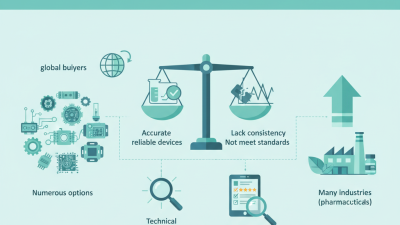
However, not all Cod Sensors are created equal. Some may lack the sensitivity needed for reliable results. Users must evaluate various options carefully. Seeking expert advice can aid in making informed decisions. Investing in the right Cod Sensor can significantly enhance monitoring efforts and foster a healthier planet. The choice matters profoundly in this ever-evolving field.

Understanding COD Sensors and Their Importance in Environmental Monitoring
COD sensors play a vital role in environmental monitoring. They measure
chemical oxygen demand, which indicates water quality. According to a recent industry report,
over 80% of water pollution incidents relate to organic pollution. Therefore, accurate COD measurements
help identify pollution sources and assess treatment effectiveness.
The importance of COD monitoring cannot be overstated. In freshwater environments, COD levels above
100 mg/L can harm aquatic life. Researchers have found that excessive organic matter leads to
oxygen depletion in water bodies. This depletion creates stress for fish and other
organisms, disrupting ecosystems. Regular monitoring provides necessary data for water treatment facilities, impacting
community health.
However, challenges exist in the use of COD sensors. Variability in sample conditions can affect results.
Calibration is essential, yet often overlooked. Many professionals recommend routine checks to
ensure accuracy. This reflection on practices can enhance the reliability of environmental monitoring efforts.
Effective tracking of COD promotes informed decisions, supporting a cleaner environment.
Key Benefits of Using COD Sensors in Water Quality Assessment
Choosing a COD sensor for environmental monitoring offers numerous advantages, especially in water quality assessment. COD, or Chemical Oxygen Demand, provides a measure of organic pollutants in water. This metric helps determine the level of water contamination, guiding necessary remediation efforts.
A major benefit of using COD sensors is their quick response time. Users can obtain results in real-time. This immediacy allows for prompt action regarding pollution events. Water quality managers rely on such speed to protect ecosystems and public health.
**Tip:** Regular calibration of COD sensors ensures accurate readings. Routine checks can help maintain reliability over time.
In addition to speed, COD sensors are versatile. They can be used across various water sources, including rivers, lakes, and industrial effluents. Their adaptability makes them suited for both field and laboratory environments. However, users must interpret results with care. Each setting may present unique challenges that affect readings.
**Tip:** Understand sample collection methods. Incorrect sampling can lead to misleading results.
COD Sensor Performance in Water Quality Assessment
Factors to Consider When Choosing a COD Sensor
When selecting a Chemical Oxygen Demand (COD) sensor, several critical factors arise. These include measurement range, sensitivity, and calibration frequency. A report by the Environmental Protection Agency (EPA) notes that COD is a key indicator of water quality, especially in industrial applications. Sensors must accurately gauge this parameter to ensure compliance with environmental regulations. The optimal measurement range typically lies between 0-1000 mg/L, capturing various pollution levels effectively.
Sensitivity plays a crucial role in detecting low concentrations of contaminants. Research highlights that sensors with better sensitivity provide timely data. This capability is vital for proactive water management. Calibration frequency also influences sensor reliability. A study showed that improperly calibrated sensors can yield results with errors up to 30%. Regular calibration can mitigate this risk, ensuring ongoing accuracy in readings.
Moreover, installation environment matters. COD sensors may require specific conditions for optimal functioning. For instance, temperature and pH variations can affect sensor performance. Data suggests that sensors exposed to extreme conditions may need more frequent maintenance. A holistic approach to monitoring, considering these factors, supports better decision-making and reinforces the integrity of environmental data.
Why Choose a COD Sensor for Your Environmental Monitoring Needs?
| Parameter |
Description |
Importance |
Considerations |
| Measurement Range |
The range of COD levels the sensor can accurately measure. |
Ensures applicability to various water quality scenarios. |
Select based on expected concentrations in monitoring environments. |
| Calibration Frequency |
How often the sensor needs to be calibrated for accuracy. |
Directly impacts reliability of data collected. |
Consider time and resources available for maintenance. |
| Response Time |
Time taken for the sensor to provide a reading after exposure to water. |
Crucial for timely monitoring in dynamic environments. |
Opt for sensors with faster response times for high variability areas. |
| Type of Sensor |
Different types include electrochemical, optical, etc. |
Affects sensitivity, specificity, and application compatibility. |
Choose based on chemical composition and interferences expected. |
| Data Output |
Formats available such as analog, digital, or wireless. |
Influences integration with data loggers and monitoring systems. |
Consider compatibility with existing infrastructure. |
Applications of COD Sensors in Different Environmental Contexts
In various environmental contexts, Chemical Oxygen Demand (COD) sensors play a critical role. These sensors measure the amount of organic pollutants in water, essential for water quality monitoring. Reports show that approximately 80% of the world's wastewater is released without treatment, leading to severe pollution. COD sensors help identify contamination levels in rivers, lakes, and industrial effluents.
In agricultural areas, COD sensors assist in managing irrigation systems. When irrigation runoff is contaminated, crops can suffer. Implementing COD sensors allows farmers to monitor water quality, ensuring that harmful substances do not enter the soil. This practice can enhance crop yield and sustainability. According to the EPA, effective water management could reduce agricultural runoff by 20%.
In urban settings, COD sensors aid in wastewater treatment. They provide real-time feedback, allowing treatment plants to adjust processes dynamically. This adaptability helps meet regulatory standards and protects public health. However, challenges remain. Not all sensors provide consistent readings, and interpretation can require expertise. Continuous calibration is essential to maintain accuracy. Reliable data is crucial for decision-making; otherwise, environmental risks increase.
Comparing COD Sensors with Other Environmental Monitoring Technologies
When comparing COD sensors to other environmental monitoring technologies, their reliability stands out. COD sensors provide direct measurement of organic pollutants in water. This capability makes them essential for industries and municipalities.
While other technologies may rely on indirect readings, COD sensors deliver real-time data. This immediacy allows for quicker responses to pollution spikes. Each measurement presents a clear snapshot of water quality. Users must consider measurement range and precision, as not all sensors offer the same accuracy.
Tips: Understand your specific needs before selecting a sensor. Research various calibration methods to maintain sensor accuracy. Regular maintenance checks are essential for reliable readings.
Furthermore, some technologies may require more complex setups. Their higher costs can lead to less frequent monitoring. In contrast, COD sensors often have simpler operating procedures. However, users must reflect on the long-term costs, including maintenance and potential downtimes. Balancing initial investment with operational efficiency is crucial.





 Contact WhatsApp
 Contact Phone
 Contact Email