What is Dissolved Oxygen Sensors and Why Are They Important?
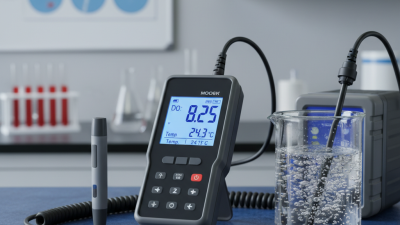
Dissolved Oxygen Sensors play a critical role in monitoring water quality. These sensors measure the amount of oxygen dissolved in water. This information is vital for various industries, including aquaculture, wastewater treatment, and environmental monitoring.
Dr. Emily Johnson, a leading expert in water quality management, emphasizes their importance: "Dissolved Oxygen Sensors are essential for maintaining aquatic health." Proper oxygen levels support fish life and biodegradation processes. Without accurate readings, ecosystems can suffer.
Understanding the intricacies of Dissolved Oxygen Sensors helps industries avoid costly mistakes. For instance, inaccurate readings can lead to fish kills in aquaculture. Investing in reliable sensors is not just a choice; it's necessary for sustainable practices.
What is Dissolved Oxygen?
Dissolved oxygen (DO) is a vital component in aquatic ecosystems. It refers to the oxygen available in water. This oxygen is essential for the survival of fish, invertebrates, and microorganisms. When DO levels drop, aquatic life suffers. The balance of oxygen in water is influenced by various factors, including temperature, salinity, and the presence of organic matter. Consequently, monitoring DO levels is crucial for maintaining healthy water systems.
Tip: Always check DO levels regularly. Fluctuations can signal problems in water quality. Keeping a close eye can help prevent fish kills and preserve ecosystems.
Understanding how dissolved oxygen works is essential for environments like ponds and lakes. In these settings, plants produce oxygen during photosynthesis. However, decomposition processes consume oxygen. This cycle can lead to fluctuations that harm aquatic organisms. It's important to be aware of these dynamics in any water body.
Tip: Consider water temperature impacts. Warm water holds less oxygen than cold water. Small changes can have significant effects on aquatic life.
While technology allows for precise monitoring of dissolved oxygen, relying on sensors alone can lead to oversights. Observing the ecosystem directly can reveal insights sensor readings might miss. Awareness of the surrounding environment is key to effective management.
Understanding Dissolved Oxygen Sensors: Types and Functionality
Dissolved oxygen (DO) sensors are essential tools for monitoring water quality. They measure the amount of oxygen available in water, which is vital for aquatic life. Higher dissolved oxygen levels are generally better for fish and other organisms. Low oxygen levels can lead to dead zones, severely impacting ecosystems.
Understanding the types of DO sensors is critical for effective use. There are various sensor designs, like optical and electrochemical sensors. Optical sensors use light to measure oxygen levels, while electrochemical sensors rely on chemical reactions. Each type has its strengths and weaknesses. For example, optical sensors can be more accurate, but they may be more expensive. This creates a dilemma for users—investing in higher-quality sensors versus managing costs.
Moreover, proper calibration and maintenance are often overlooked. Neglecting these aspects can result in inaccurate readings. Users should regularly check their sensors and understand their limitations. Balancing accuracy with practicality requires careful consideration. Each decision influences the monitoring process significantly, impacting ecological assessments and regulatory compliance.
What is Dissolved Oxygen Sensors and Why Are They Important?
| Sensor Type |
Measurement Principle |
Typical Applications |
Advantages |
Limitations |
| Optical Sensors |
Fluorescence Quenching |
Aquaculture, Environmental Monitoring |
High accuracy, low maintenance |
Higher initial cost |
| Galvanic Sensors |
Electrochemical Reaction |
Wastewater Treatment, Aquaculture |
Reliable and cost-effective |
Sensitivity to temperature and pressure changes |
| Membrane-covered Sensors |
Resistive Measurement |
Laboratory Experiments, Aquatic Studies |
Good performance in different conditions |
Requires regular calibration |
| Photoelectric Sensors |
Light Absorption |
Hydrology, Water Quality Monitoring |
Fast response time |
Potentially less accurate in turbid waters |
Importance of Dissolved Oxygen in Aquatic Ecosystems
Dissolved oxygen (DO) is crucial for sustaining aquatic life. Fish, invertebrates, and microorganisms rely on sufficient oxygen levels for survival. According to a report by the U.S. Environmental Protection Agency (EPA), a minimum of 5 mg/L of DO is vital for most freshwater fish species. When DO levels drop below this threshold, stress and mortality rates in fish populations increase significantly.
The importance of dissolved oxygen extends beyond just fish. Aquatic plants such as algae and macrophytes also depend on oxygen-rich water for photosynthesis. A balanced ecosystem needs healthy DO levels, which help decompose organic materials. Interestingly, low DO can lead to algal blooms. These blooms consume oxygen when they decay, leading to further declines in DO. This cycle can create dead zones, areas where life cannot sustain itself.
Monitoring dissolved oxygen with sensors is essential. Regular data collection helps understand ecosystem health. Yet, many regions lack comprehensive monitoring programs. Without proper oversight, aquatic environments can suffer unnoticed. This gap in monitoring can lead to overfishing and habitat destruction, creating long-term impacts. The importance of maintaining balanced dissolved oxygen levels cannot be overstated. It is a fundamental aspect of preserving healthy aquatic ecosystems.
Applications of Dissolved Oxygen Sensors in Environmental Monitoring
Dissolved oxygen sensors play a vital role in environmental monitoring. They measure the amount of oxygen present in water. This data is crucial for assessing water quality in rivers, lakes, and oceans. Healthy aquatic systems depend on adequate oxygen levels. Fish and other organisms require oxygen to thrive, making these sensors invaluable.
These sensors find applications in various fields. In aquaculture, they help ensure optimal conditions for fish growth. Environmental agencies use them to monitor pollution levels. Real-time data enables prompt action when oxygen levels drop. This protects marine life and preserves biodiversity.
Tips: Regular calibration of sensors is essential for accurate readings. Consider the sensor's placement to avoid interference from currents or debris. Data interpretation should include seasonal variations, as oxygen levels can fluctuate.
Dissolved Oxygen Levels in Various Water Bodies
This chart illustrates the average levels of dissolved oxygen (DO) in different aquatic environments: rivers, lakes, and oceans. Maintaining adequate DO levels is crucial for the survival of aquatic life and overall ecosystem health.
Challenges and Innovations in Dissolved Oxygen Measurement Technologies
Dissolved oxygen (DO) sensors are critical for water quality monitoring. Their ability to provide accurate measurements can significantly impact aquatic ecosystems. However, there are several challenges in the technology behind these sensors. Traditional methods often suffer from calibration issues and sensitivity to environmental changes. These problems can compromise their reliability.
Innovations in DO measurement technologies are addressing these challenges. New sensor designs enhance durability and reduce drift. Optical sensors, for instance, show promise with greater accuracy and lower maintenance costs. Still, integration into existing systems often poses a challenge. Operators may face difficulties in standardizing new practices alongside older technologies.
Despite advancements, several gaps remain. For instance, real-time data transmission is still a hurdle for many applications. The technology can also be expensive, limiting access for smaller operators. Addressing these issues can improve the reliability of DO monitoring, benefiting both industry and environment. Continued research and development are essential for future growth in this field.





 Contact WhatsApp
 Contact Phone
 Contact Email