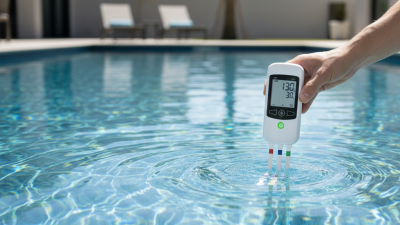
How to Choose the Best Chlorophyll Tester?
Choosing the right Chlorophyll Tester can turn a vague leaf-color judgment into a repeatable field decision. However, the most expensive device is not automatically the most useful one. A grower checking nitrogen stress in greenhouse tomatoes may need different features from a researcher comparing rice varieties across several locations.
Dr. Bruce Bugbee, a respected plant-science expert, captures the principle well: “A measurement is meaningful only when it answers a clear question.” This idea should guide every purchase. Consider measurement range, sensor consistency, calibration options, display clarity, battery life, and data storage. A reliable Chlorophyll Tester should also provide repeatable readings on leaves with different thicknesses and textures.
Look closely at daily use.
Will the instrument survive dust, moisture, and frequent handling? Can workers operate it while wearing gloves? Does it require a smartphone, or can it work independently? These practical details often matter more than impressive specifications. Testing the same leaf several times can reveal unstable readings. Sampling leaves of different ages can also create confusing results.
A chlorophyll reading is not a complete diagnosis. Temperature, water stress, disease, cultivar, and leaf position may change the number. I have seen how convenient meters can encourage overconfidence. That is a weakness worth admitting. The best choice combines instrument quality with a clear sampling method, regular checks, and informed interpretation. This guide explains how to compare Chlorophyll Tester models and select one that fits your crops, working conditions, budget, and evidence-based goals.
What Is a Chlorophyll Tester and How Does It Work?
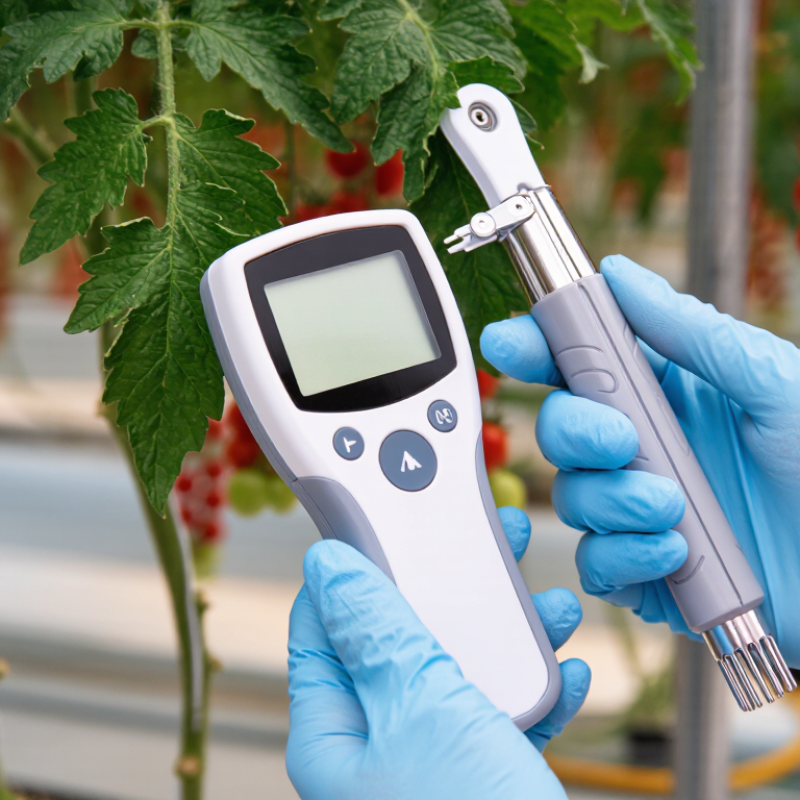
A chlorophyll tester estimates leaf greenness without cutting the plant.
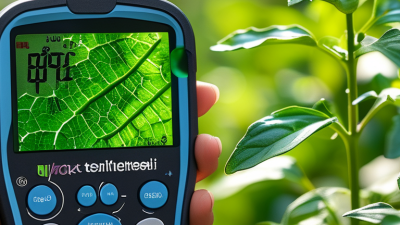
Most handheld meters shine red and near-infrared light onto a leaf. Chlorophyll absorbs red light strongly, while near-infrared light behaves differently. The device compares both signals and produces an index value. It is not magic. The reading indicates chlorophyll density, not plant health alone.
Chlorophyll often reflects nitrogen status, especially in actively growing leaves. FAO AQUASTAT reports that agriculture uses about 70% of global freshwater withdrawals. This makes fast field decisions valuable, because nutrient and water problems often appear together.
A farmer can test five leaves, record their positions, and compare readings before irrigation or fertilization. Dark green leaves usually return higher values, while pale leaves often return lower ones. However, drought, disease, dust, shade, and leaf age can distort the result.
The best tester should offer stable readings, simple calibration, and clear data storage. Test the same leaf area each time. Avoid veins, damaged tissue, and wet surfaces.
Industry trials and precision-agriculture studies commonly recommend repeated measurements rather than one reading, because field variation is real. A useful device should support that discipline.
I would question any result taken from a single leaf. The number feels precise, but the plant may not be.
Which Plant Measurements Should a Chlorophyll Tester Provide?
Choosing a chlorophyll tester starts with the measurements it can provide. In field work, I look for a repeatable chlorophyll index from the same leaf area. This reading estimates greenness through light absorption, rather than measuring chlorophyll directly. A reliable instrument should state its measurement range, units, and expected accuracy. Consistency matters. If two readings differ widely on one leaf, the device needs checking.
Useful testers also show variation across leaves, plants, and management zones. A single reading can hide yellowing near the leaf edge or uneven nutrient stress. Look for averages, minimum and maximum values, and stored records with time and location. These details help compare yesterday’s crop with today’s crop without relying on memory. Some instruments estimate nitrogen status from chlorophyll. Treat that result as guidance, not proof. Nitrogen, water, disease, leaf age, and light can produce similar visual changes.
During practical testing, I would measure several mature leaves at a consistent height and avoid damaged tissue. The tester should support repeat measurements without forcing setting changes each time. A clear display is helpful, but transparent calibration instructions matter more. Do not guess. Test the device on healthy and stressed plants, then compare readings with laboratory analysis when decisions carry high costs. I have found that neat numbers can create false confidence. Weather can shift readings. A robust tester should show uncertainty through error margins or quality warnings. Record crop stage, leaf position, and weather beside every reading.
How to Compare Chlorophyll Tester Types and Measurement Methods?
Choosing the best chlorophyll tester starts with the measurement method, not the price. Contact optical meters estimate leaf greenness through red and near-infrared light. They are fast, portable, and useful for repeated field checks. However, their readings are usually relative values, not direct chlorophyll concentrations. A 2022 review in Agronomy reported strong correlations between optical indices and leaf nitrogen under controlled conditions, often around r = 0.70–0.90. Field performance became less consistent.
Fluorescence testers measure how leaves release absorbed light. They can reveal photosynthetic stress before visible yellowing appears. Spectral cameras provide wider canopy coverage, but shadows, soil background, and changing sunlight can distort results. Laboratory solvent extraction remains more direct, although it is slower and destructive. Results from different instruments should not be treated as interchangeable. Even similar leaves may produce different readings after rain, dust, or midday heat. That is an easy detail to miss.
Tips: Measure the same leaf position each time. Take three to five readings per plant. Record cultivar, growth stage, light conditions, and recent fertilizer use. Build a local calibration using laboratory samples when decisions affect crop nutrition. A 2023 report from the International Plant Nutrition Council emphasized site-specific nutrient diagnosis because plant response varies with soil, climate, and yield target. I would also repeat measurements across several days. One reading can look convincing, yet still be wrong.
How to Choose the Best Chlorophyll Tester?
How to Compare Chlorophyll Tester Types and Measurement Methods?
How to read the chart: Different chlorophyll measurement methods use different optical wavelengths. Leaf-transmission testers commonly compare red and near-infrared light, reflectance instruments often use red-edge bands, fluorescence systems measure emitted light after excitation, and solvent extraction commonly uses absorbance near 645 and 663 nm.
Choosing the right method: Select transmission testing for fast, non-destructive field screening; reflectance testing for broader spectral analysis; fluorescence testing when photosynthetic performance is also important; and solvent extraction when laboratory-based chlorophyll concentration is required. The wavelength values shown are representative measurement bands and may vary with instrument design and protocol.
What Features Matter When Selecting a Chlorophyll Tester?
When choosing a chlorophyll tester, examine the features that affect daily measurement quality. Accuracy matters, but repeatability matters just as much. A reliable device should produce similar readings from the same leaf area. Check its measurement range and stated error margin before purchasing. Some testers struggle with very pale or thick leaves.
Field conditions can change results. Look for a clear display, quick response time, and simple calibration. A compact design helps when walking between crop rows. Waterproof construction is useful after irrigation or light rain. Data storage can also reveal patterns across different plants, dates, and growing zones. However, recorded data is only useful when measurements follow the same method.
Tips: Test several leaves, not just one. Avoid damaged edges and dusty surfaces. Measure at a similar time each day. Hold the sensor firmly, but do not crush the leaf. Compare readings with plant color and growth observations. No instrument is perfect. I would still question an unusual reading and repeat it before changing fertilizer or irrigation. Battery life, replaceable parts, and clear instructions deserve attention too. A low price may seem attractive, but poor consistency can create expensive decisions later.
How to Use and Maintain a Chlorophyll Tester Correctly?
A chlorophyll tester can reveal plant stress before yellowing becomes obvious. Correct use begins with a stable testing routine. Calibrate the instrument according to its manual before taking measurements. Check the sensor window for dust, moisture, or leaf fragments. Even a small obstruction can distort readings.
Choose mature, healthy leaves from similar positions on each plant. Avoid damaged edges, thick veins, and leaves wet from irrigation or rain. Place the leaf flat between the sensors, then close the clamp gently. Excessive pressure may affect the result. Take three readings from different points on the same leaf. Record the average, plant location, date, and recent fertilization. Consistent records matter more than one impressive number. I once compared readings taken in bright sun and shade, and the difference was larger than expected. That mistake changed my sampling routine.
Clean the sensor surface with a soft, dry cloth after use. Do not spray liquid directly into the housing. Store the tester in a dry case away from heat, dust, and direct sunlight. Remove batteries during long periods of storage if the instructions permit it. Check calibration regularly, especially after transport or a sudden reading change. Do not treat every low value as a nutrient deficiency. Variety, leaf age, water stress, temperature, and lighting can all influence results. A tester supports judgment; it does not replace visual inspection or soil and tissue analysis. My own records still contain inconsistent samples, so I mark uncertain readings instead of forcing them into a conclusion.





 Contact WhatsApp
 Contact Phone
 Contact Email