How to Set Up a Water Quality Monitoring Station for Accurate Testing?
Establishing a Water Quality Monitoring Station is essential for ensuring safe and clean water. Accurate testing is necessary for various applications, such as environmental protection and public health. This process involves careful planning and execution. It is not just about placing sensors; it's about understanding local water conditions.
To set up an effective monitoring station, one must choose strategic locations. These spots should reflect the water quality of larger areas. Choose a mix of urban and rural sites to capture diverse data. The selection process can be challenging and may require multiple visits to identify the best locations.
Additionally, selecting the right equipment is crucial. Instruments need to be reliable and appropriate for various tests. However, even state-of-the-art equipment can falter under certain conditions. Users must continually verify and calibrate their devices. This reflection on performance is vital for accurate results. A Water Quality Monitoring Station is only as effective as its setup and maintenance.
Understanding the Importance of Water Quality Monitoring Stations
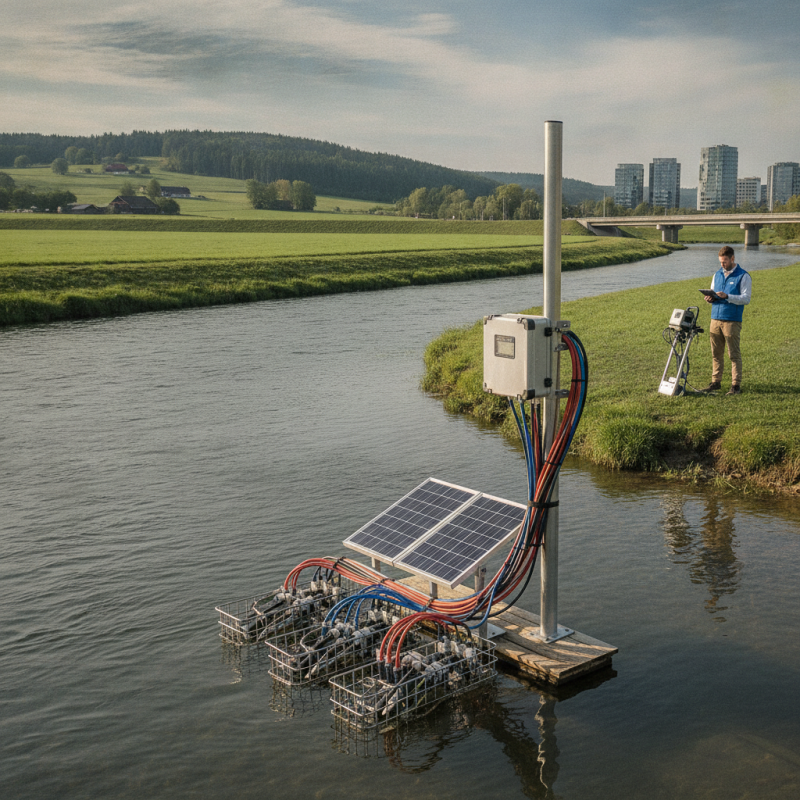
Water quality monitoring stations play a crucial role in safeguarding our water sources. These stations collect data on various parameters, such as pH levels, turbidity, and chemical contaminants. Accurate monitoring helps detect pollution early, enabling quicker responses to potential hazards. Communities often rely on these stations to ensure safe drinking water and to protect aquatic ecosystems.
Setting up these stations requires careful planning and knowledge. Professionals must choose appropriate locations to capture representative samples. Equipment calibration is essential for reliable data. Many stations struggle with maintenance issues. Regular checks and updates to technology can be demanding but are necessary for accurate results. Moreover, collaboration with local authorities can enhance credibility and effectiveness.
Interpreting the data collected presents its own challenges. Variability in water quality due to weather conditions can complicate analysis. Experts must consider these fluctuations when making assessments. Continued education and training for personnel are vital for ensuring that monitoring stations meet high standards. By prioritizing these factors, communities can trust in the reliability of their water quality monitoring efforts.
Selecting the Ideal Location for Your Water Quality Monitoring Station
Selecting the ideal location for your water quality monitoring station is crucial for obtaining accurate and reliable data. Look for areas with minimal human interference, like remote lakes or rivers. Avoid locations near industrial sites or agricultural runoff. These can skew your results. It’s important to assess the natural flow of water. A location that collects samples from different sources can provide varied insights.
Consider accessibility as well. The site should be reachable for regular maintenance and testing. A balance between remote placement and ease of access can be tricky. This location must also be safe for personnel. Some spots may seem perfect, but hazardous conditions can make monitoring risky. Wildlife activity is another factor. Observing wildlife can help gauge the ecosystem's health but might complicate your monitoring efforts if animals disturb equipment.
Data collection can vary with changes in weather and seasons. A location that works one time may not yield consistent data year-round. Re-evaluate your location periodically. Changes in environment can impact water quality. Being vigilant about these aspects will enhance the effectiveness of your monitoring station.
Water Quality Monitoring Station Data Representation
This bar chart displays the average levels of key water quality parameters observed at different monitoring stations. The parameters include pH, Turbidity (NTU), and Dissolved Oxygen (mg/L), which are essential for assessing the health of water bodies.
Essential Equipment and Tools for Water Quality Testing
Setting up a water quality monitoring station requires essential tools and equipment. Key items include water sampling kits, pH meters, and dissolved oxygen testers. A reliable turbidity meter is also necessary for measuring water clarity. Each instrument serves a specific purpose, ensuring accurate testing results.
Calibration solutions are critical for maintaining precision. Regular maintenance on these devices is essential to avoid errors. It is important to keep a log of each instrument’s calibration dates. Also, training on equipment use will enhance data reliability.
Consider the environment where the station will be located. Accessibility and safety are vital. Poor access can lead to missed tests or improperly collected samples. Reflection on past experiences can inform future setups, improving operational efficiency. In all, each choice impacts the quality of water assessments.
How to Set Up a Water Quality Monitoring Station for Accurate Testing?
| Equipment/Tool |
Purpose |
Recommended Specifications |
Estimated Cost (USD) |
| Multimeter |
To measure pH, ORP, and conductivity |
pH range: 0-14, Conductivity: 0-200 mS/cm |
$150 - $300 |
| Turbidity Meter |
To measure the cloudiness of water |
Range: 0 - 400 NTU |
$200 - $500 |
| Dissolved Oxygen Meter |
To measure the amount of dissolved oxygen in water |
Range: 0-20 mg/L |
$250 - $800 |
| Sampling Kit |
For collecting water samples |
Includes bottles, gloves, coolers |
$50 - $100 |
| Field Test Kits |
For on-site testing of multiple parameters |
Tests for pH, nitrates, phosphates, etc. |
$75 - $200 |
Establishing a Data Collection and Analysis Protocol
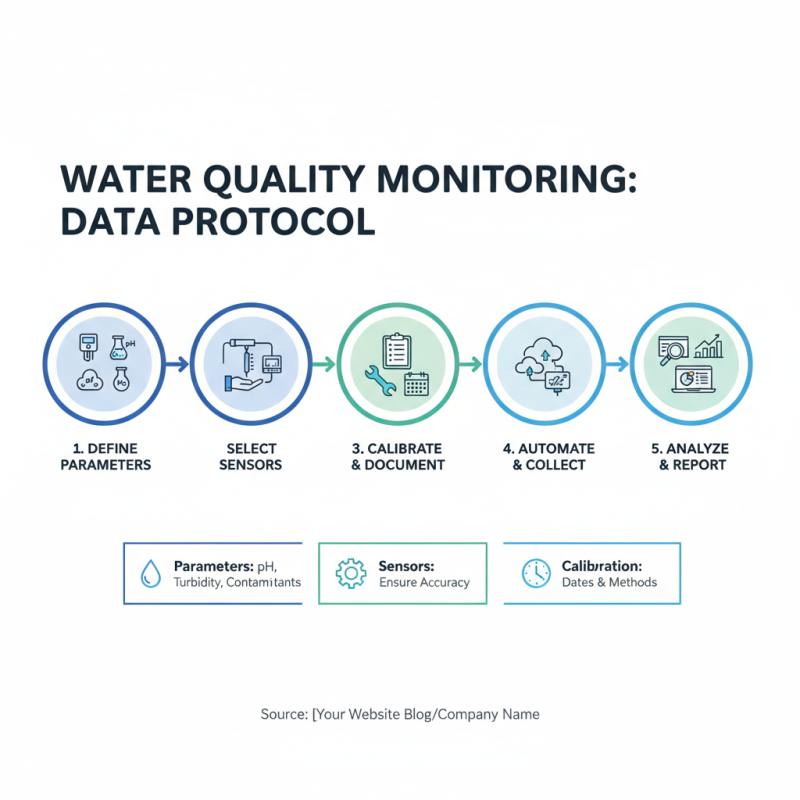
Setting up a water quality monitoring station requires careful planning. One crucial aspect is establishing a solid data collection and analysis protocol. This ensures the accuracy and reliability of your results. Begin by defining the parameters you will monitor, such as pH, turbidity, and contaminants. Select appropriate sensors and ensure they are calibrated correctly. It’s essential to document the calibration dates and methods used for consistency.
Tips: Regularly check your equipment. Calibration is not a one-time task. It needs periodic review. Also, consider environmental factors like temperature, which can affect readings.
Data analysis is another key area. Use statistical methods to interpret the data collected. Establish benchmarks for comparison to understand trends over time. Regularly review your findings to identify any discrepancies. This helps in recognizing potential errors in your system.
Tips: Create a consistent reporting schedule. This will keep everyone informed and engaged. Transparency is vital; share results with your team. Invite feedback for continuous improvement, as different perspectives can uncover oversight.
Maintaining and Upgrading Your Monitoring Station for Accuracy
Maintaining a water quality monitoring station is crucial for accurate testing. Regular maintenance helps ensure that your data is reliable. Check the sensors frequently for calibration and replace them as necessary. Dirty or malfunctioning sensors can lead to inaccurate readings, which may compromise your results.
Tips: Always document your maintenance tasks. Keep a log of calibration dates and equipment changes. This history can identify patterns or issues over time. When you upgrade your monitoring station, consider using upgraded sensors or software to enhance data accuracy. Even minor upgrades can make a significant difference in the efficacy of your monitoring efforts.
Keep an eye on environmental factors. Changes in water flow or temperature can impact your readings. Make adjustments to your monitoring schedule or equipment settings as needed. You may find that certain times of year yield different water quality results. Remain flexible in your approach to ensure valid long-term monitoring. Regularly review your data to detect any anomalies that could indicate a need for further investigation or adjustment.





 Contact WhatsApp
 Contact Phone
 Contact Email